

Chocolate candy, cookie filled
Common food
A crisp, buttery cookie encased in a smooth milk chocolate shell, delivering a satisfying snap followed by a sweet, creamy melt. It's a calorie-dense treat, packing nearly 50 grams of sugar per 100g, making it a high-energy indulgence rather than a nutritional staple.
Calorie split: 4% protein · 51% carbs · 45% fat
↓ Full nutrition💚 Why it's loved
People love the perfect textural contrast between the crunchy biscuit and the smooth chocolate coating, creating a deeply satisfying bite. It's a versatile comfort food, enjoyed as a quick dessert, a coffee companion, or a nostalgic childhood treat.
⚠️ Watch-outs & how to enjoy it better
The very high sugar content (over 48g per 100g) can cause rapid blood-sugar spikes and crashes, making it a poor choice for those managing diabetes or energy levels. To counteract this, pair it with a source of protein or healthy fat (like a handful of nuts) to slow sugar absorption, and practice strict portion control by choosing a single, pre-portioned piece.
Key benefits
- Quick source of energy from carbohydrates
- Provides a small amount of protein
- Offers a morale-boosting sensory pleasure
- Convenient, portable snack format
- Classic comfort food with nostalgic appeal
🍽️ Popular dishes
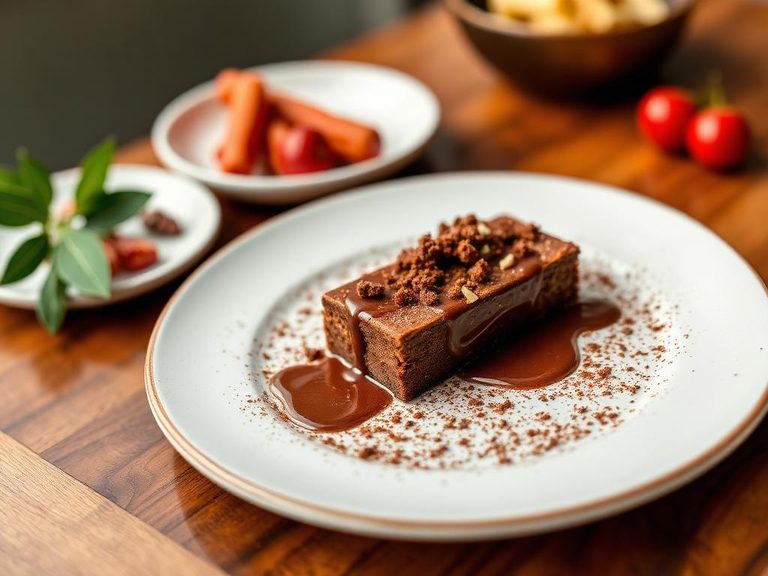
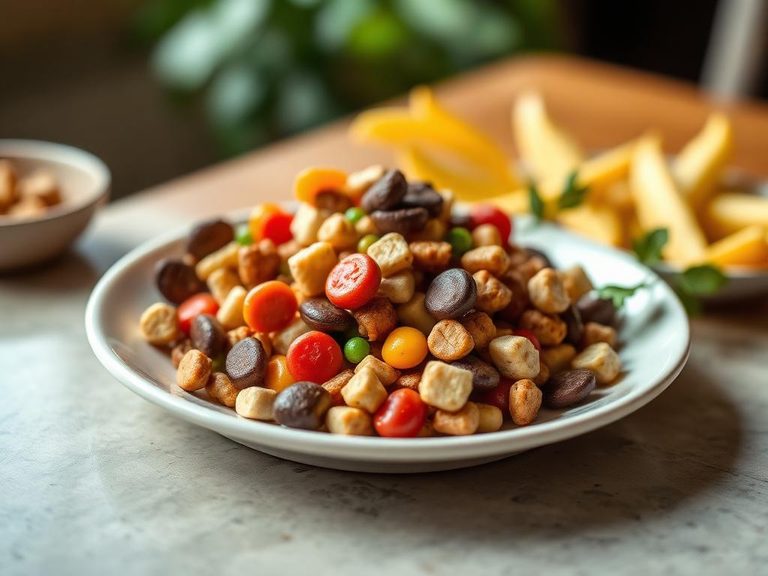
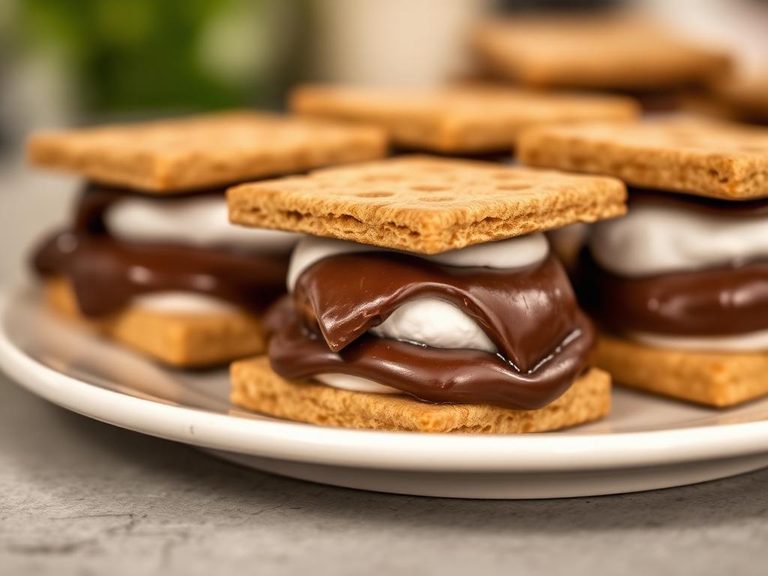
🌍 Where it's eaten
💡 Did you know?
The invention of the chocolate-coated cookie is often credited to a happy accident in the 19th century when a baker's apprentice dropped cookie dough into a vat of melted chocolate.
Full nutrition (USDA data · scales with serving)
| Water | 2.9 g |
| Energy | 510 kcal |
| Protein | 5.7 g |
| Total lipid (fat) | 25.4 g |
| Carbohydrate, by difference | 64.7 g |
| Fiber, total dietary | 1.0 g |
| Total Sugars | 48.5 g |
| Calcium, Ca | 116 mg |
| Iron, Fe | 0.90 mg |
| Magnesium, Mg | 32.0 mg |
| Phosphorus, P | 120 mg |
| Potassium, K | 208 mg |
| Sodium, Na | 126 mg |
| Zinc, Zn | 0.57 mg |
| Copper, Cu | 0.21 mg |
| Selenium, Se | 4.6 ug |
| Vitamin C, total ascorbic acid | 0.30 mg |
| Thiamin | 0.14 mg |
| Riboflavin | 0.21 mg |
| Niacin | 0.80 mg |
| Vitamin B-6 | 0.02 mg |
| Folate, total | 20.0 ug |
| Folic acid | 12.0 ug |
| Folate, food | 8.0 ug |
| Folate, DFE | 28.0 ug |
| Choline, total | 26.0 mg |
| Vitamin B-12 | 0.44 ug |
| Vitamin B-12, added | 0.00 ug |
| Vitamin A, RAE | 22.0 ug |
| Retinol | 22.0 ug |
| Carotene, beta | 0.00 ug |
| Carotene, alpha | 0.00 ug |
| Cryptoxanthin, beta | 0.00 ug |
| Lycopene | 0.00 ug |
| Lutein + zeaxanthin | 14.0 ug |
| Vitamin E (alpha-tocopherol) | 0.54 mg |
| Vitamin E, added | 0.00 mg |
| Vitamin D (D2 + D3) | 0.00 ug |
| Vitamin K (phylloquinone) | 5.4 ug |
| Alcohol, ethyl | 0.00 g |
| Caffeine | 10.0 mg |
| Theobromine | 93.0 mg |
Fat & fatty acid profile (per 100g)
| Fatty acids, total saturated | 18.5 g |
| SFA 4:0 | 0.19 g |
| SFA 6:0 | 0.12 g |
| SFA 8:0 | 0.49 g |
| SFA 10:0 | 0.51 g |
| SFA 12:0 | 5.8 g |
| SFA 14:0 | 2.1 g |
| SFA 16:0 | 4.4 g |
| SFA 18:0 | 4.7 g |
| Fatty acids, total monounsaturated | 4.4 g |
| MUFA 16:1 | 0.11 g |
| MUFA 18:1 | 4.3 g |
| MUFA 20:1 | 0.00 g |
| MUFA 22:1 | 0.00 g |
| Fatty acids, total polyunsaturated | 0.76 g |
| PUFA 18:2 | 0.71 g |
| PUFA 18:3 | 0.05 g |
| PUFA 18:4 | 0.00 g |
| PUFA 20:4 | 0.00 g |
| PUFA 20:5 n-3 (EPA) | 0.00 g |
| PUFA 22:5 n-3 (DPA) | 0.00 g |
| PUFA 22:6 n-3 (DHA) | 0.00 g |
| Cholesterol | 9.0 mg |
FAQ
Is this a good pre-workout snack?
While the quick carbs can provide a fast energy boost, the high sugar and fat content may lead to sluggishness. A banana or a small oatmeal bar is generally a better pre-workout choice for more sustained energy.
How does it differ from a chocolate-covered biscuit?
The terms are often used interchangeably, but 'cookie' typically implies a softer, more crumbly interior (like shortbread or sugar cookie), while a 'biscuit' (in British English) often refers to a harder, snappier texture. The nutritional profile is very similar.
Can I make a healthier version at home?
Yes, you can use whole-wheat flour, reduce sugar, and opt for dark chocolate with a higher cacao percentage. Baking your own allows you to control ingredients, though the calorie count will still be significant.
Nutrient density (calculated · NRF9.3)
Nutrient Rich Foods index: beneficial nutrients (protein, fiber, vitamins, minerals) minus saturated fat, added sugar & sodium, per 100 kcal.
NRF9.3 index — Fulgoni, Keast & Drewnowski, 2009. Computed from USDA nutrients.
Weight-loss friendliness (composite index)
Energy density 5.10 kcal/g · 4% calories from protein · 1.0 g fiber · 48.5 g sugar per 100 g.
Composite of energy density (Rolls et al., 1999), protein & fiber satiety, minus sugar. A calculated heuristic — ranks satiety-per-calorie, not a clinical measure.
Dietary load (calculated from USDA values)
Potential renal acid load. Positive = acid-forming, negative = alkaline-forming.
Sodium-to-potassium ratio: 0.61 (lower is better — aim for ≤ 1)
Sodium:potassium per WHO potassium guidance. Computed from USDA nutrients.