Cheese, Parmesan, hard
Common food

Photo: Wikipedia
Parmesan is a hard, granular Italian cheese with a deep, nutty, and savory flavor that intensifies with age. Its firm texture makes it perfect for grating, while its rich umami profile adds a powerful depth to dishes. With nearly 30 grams of protein per 100 grams, it's a nutritional powerhouse among cheeses.
💚 Why it's loved
People adore Parmesan for its unparalleled ability to transform a dish with a sprinkle, delivering a concentrated burst of salty, savory, and nutty flavor. It's a cornerstone of Italian cuisine, symbolizing tradition and craftsmanship from the Parmigiano-Reggiano region.
⚠️ Watch-outs & how to enjoy it better
Its high sodium content can be a concern for those monitoring blood pressure, and it is a dairy product, making it an allergen for those with milk allergies. To mitigate sodium intake, use it as a finishing touch rather than a main ingredient, and pair it with potassium-rich vegetables like spinach or broccoli.
Key benefits
- Excellent source of high-quality protein for muscle maintenance.
- Rich in calcium for bone and dental health.
- Contains conjugated linoleic acid (CLA), a fatty acid studied for potential health benefits.
- Low in lactose due to the long aging process, often tolerable for some lactose-sensitive individuals.
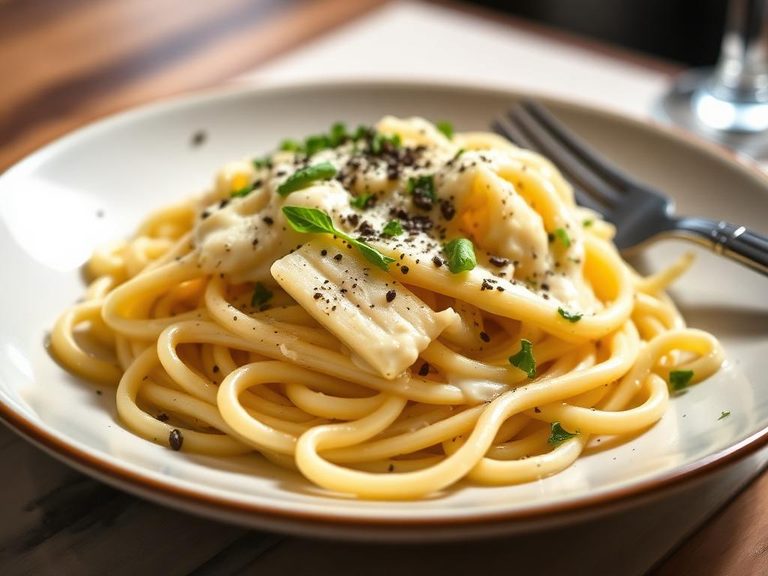
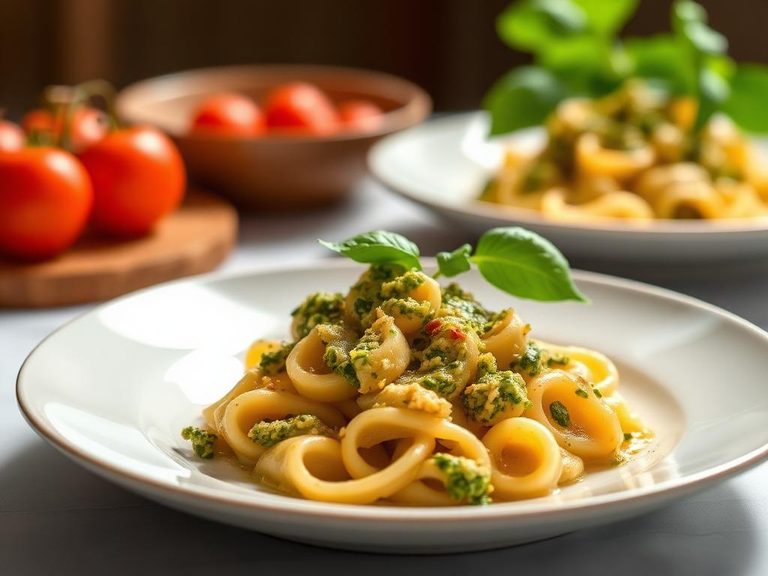
🍽️ Popular dishes
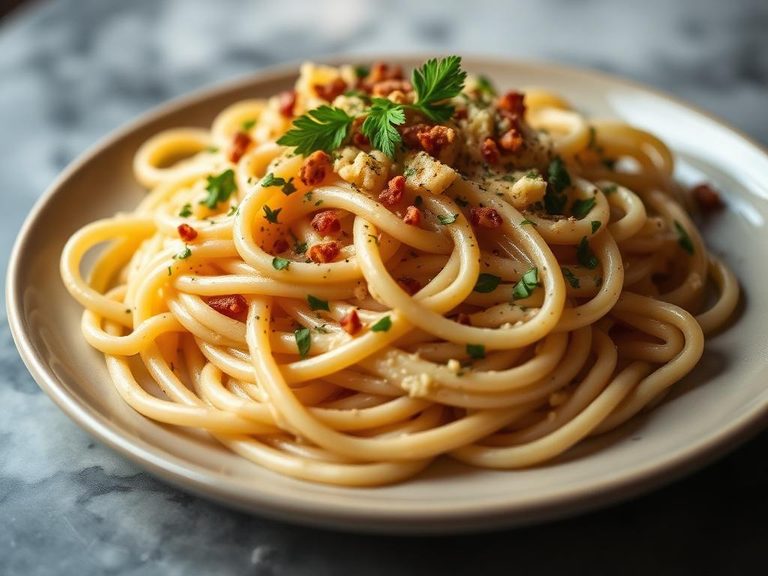
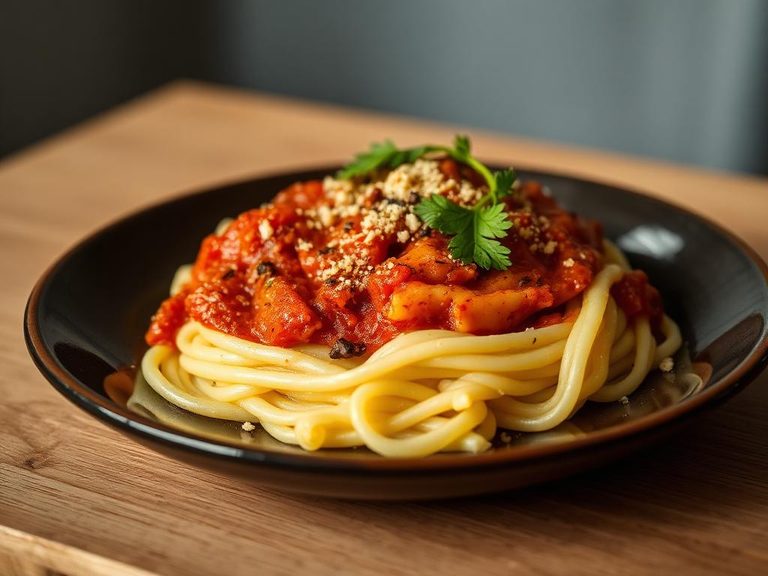
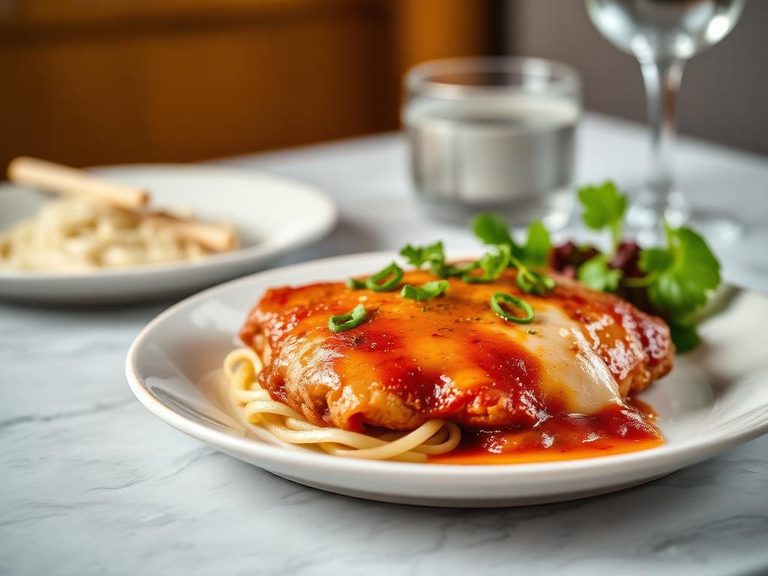
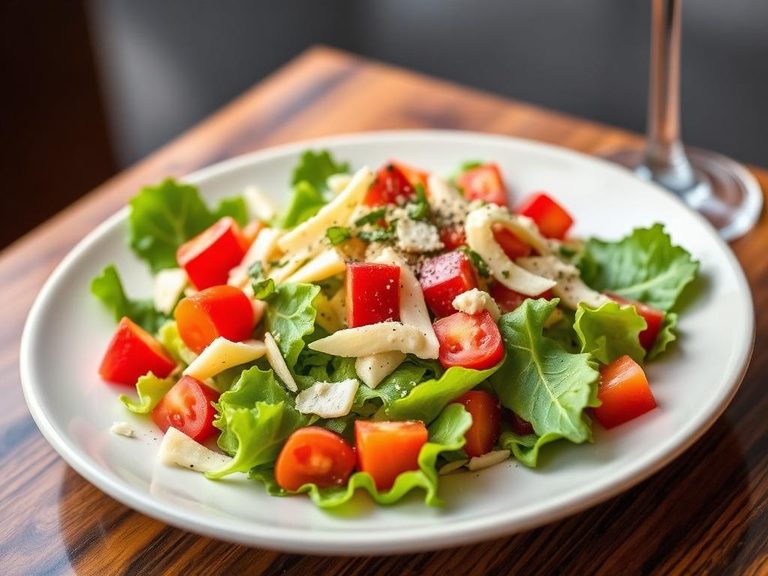
🌍 Where it's eaten
💡 Did you know?
The holes, or 'eyes,' in a wheel of Parmigiano-Reggiano are formed by the same gas-producing bacteria that give it its distinctive flavor, and the entire wheel is tapped with a small hammer by a master grader to listen for flaws.
Full nutrition (scales with serving)
| Water | 26.8 g |
| Energy | 412 kcal |
| Protein | 29.9 g |
| Total lipid (fat) | 28.8 g |
| Carbohydrate, by difference | 8.4 g |
| Fiber, total dietary | 0.00 g |
| Total Sugars | 0.36 g |
| Calcium, Ca | 917 mg |
| Iron, Fe | 0.30 mg |
| Magnesium, Mg | 35.0 mg |
| Phosphorus, P | 630 mg |
| Potassium, K | 129 mg |
| Sodium, Na | 1398 mg |
| Zinc, Zn | 4.5 mg |
| Copper, Cu | 0.04 mg |
| Selenium, Se | 29.4 ug |
| Vitamin C, total ascorbic acid | 0.00 mg |
| Thiamin | 0.03 mg |
| Riboflavin | 0.38 mg |
| Niacin | 0.11 mg |
| Vitamin B-6 | 0.05 mg |
| Folate, total | 7.0 ug |
| Folic acid | 0.00 ug |
| Folate, food | 7.0 ug |
| Folate, DFE | 7.0 ug |
| Choline, total | 14.8 mg |
| Vitamin B-12 | 1.4 ug |
| Vitamin B-12, added | 0.00 ug |
| Vitamin A, RAE | 230 ug |
| Retinol | 230 ug |
| Carotene, beta | 0.00 ug |
| Carotene, alpha | 0.00 ug |
| Cryptoxanthin, beta | 0.00 ug |
| Lycopene | 0.00 ug |
| Lutein + zeaxanthin | 0.00 ug |
| Vitamin E (alpha-tocopherol) | 0.38 mg |
| Vitamin E, added | 0.00 mg |
| Vitamin D (D2 + D3) | 0.20 ug |
| Vitamin K (phylloquinone) | 1.8 ug |
| Fatty acids, total saturated | 16.4 g |
| SFA 4:0 | 0.56 g |
| SFA 6:0 | 0.47 g |
| SFA 8:0 | 0.29 g |
| SFA 10:0 | 0.71 g |
| SFA 12:0 | 0.81 g |
| SFA 14:0 | 2.6 g |
| SFA 16:0 | 7.8 g |
| SFA 18:0 | 2.6 g |
| Fatty acids, total monounsaturated | 6.2 g |
| MUFA 16:1 | 0.40 g |
| MUFA 18:1 | 5.9 g |
| MUFA 20:1 | 0.11 g |
| MUFA 22:1 | 0.00 g |
| Fatty acids, total polyunsaturated | 0.93 g |
| PUFA 18:2 | 0.92 g |
| PUFA 18:3 | 0.23 g |
| PUFA 18:4 | 0.00 g |
| PUFA 20:4 | 0.02 g |
| PUFA 20:5 n-3 (EPA) | 0.00 g |
| PUFA 22:5 n-3 (DPA) | 0.01 g |
| PUFA 22:6 n-3 (DHA) | 0.00 g |
| Cholesterol | 86.0 mg |
| Alcohol, ethyl | 0.00 g |
| Caffeine | 0.00 mg |
| Theobromine | 0.00 mg |
FAQ
What's the difference between Parmesan and Parmigiano-Reggiano?
Parmigiano-Reggiano is the protected, authentic Italian product made under strict rules in specific regions. 'Parmesan' is a generic term for a similar-style cheese, which can vary widely in quality and origin.
How should I store it?
Wrap the cut wedge in cheese paper or wax paper, then place it in a loosely sealed plastic bag in the refrigerator. This allows it to breathe without drying out. It can also be frozen for longer storage.
Is the rind edible?
Yes, the hard rind is edible but very tough. It's traditionally not eaten raw but is fantastic for adding deep, savory flavor to soups, stews, and broths—simply remove it before serving.