

Casabe, cassava bread
Common food

Photo: Wikipedia
Casabe is a large, cracker-like flatbread made from grated, pressed, and baked cassava root. It has a dry, crisp texture and a mild, nutty, slightly earthy flavor that acts as a blank canvas for other tastes. Nutritionally, it's a dense source of energy-providing carbohydrates with very little fat or protein.
Calorie split: 3% protein · 95% carbs · 2% fat
↓ Full nutrition💚 Why it's loved
People love casabe for its incredible versatility and satisfying crunch, serving as both a hearty bread substitute and a dipping vehicle. It's deeply tied to cultural identity in the Caribbean and parts of South America, often enjoyed as a comforting, everyday food.
⚠️ Watch-outs & how to enjoy it better
Due to its high carbohydrate content and low protein/fat, it can cause rapid blood sugar spikes if eaten alone. To counteract this, always pair it with protein-rich foods like beans, cheese, or meats, or with healthy fats like avocado or olive oil to slow digestion.
Key benefits
- Naturally gluten-free staple food
- Long shelf life without preservatives
- Good source of dietary fiber
- Provides quick energy from complex carbs
- Low in fat and cholesterol
🍽️ Popular dishes
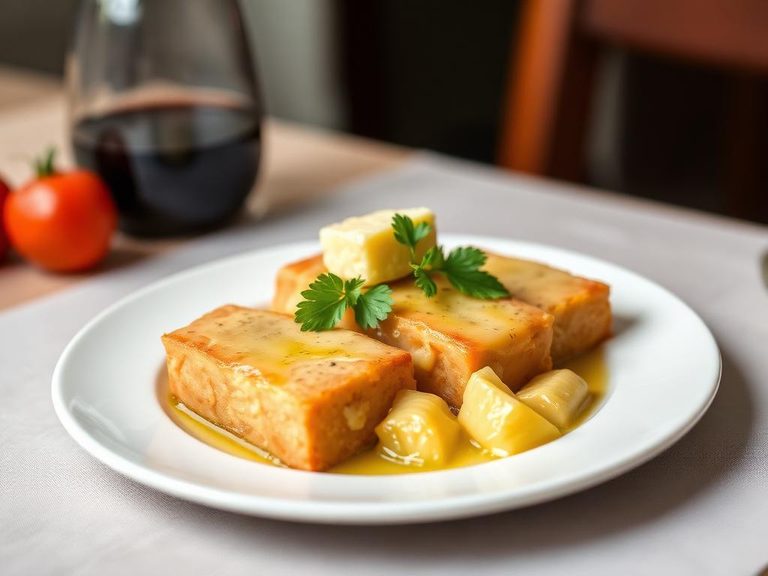
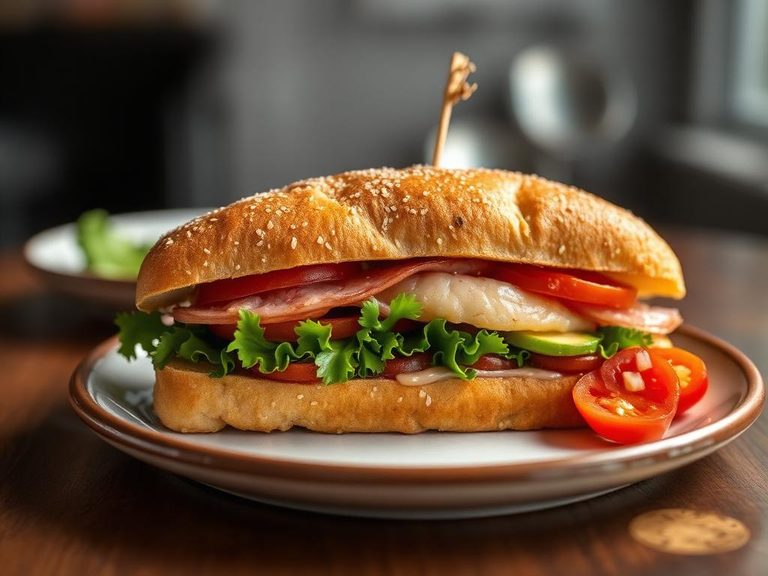
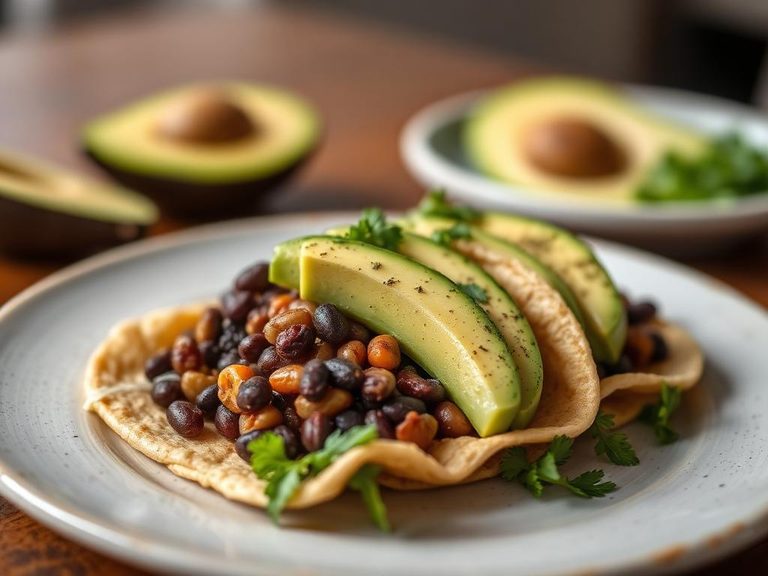
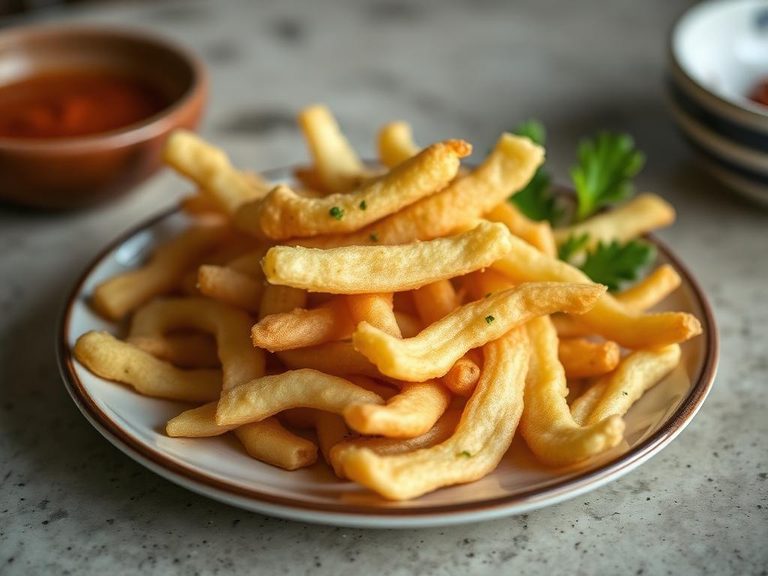
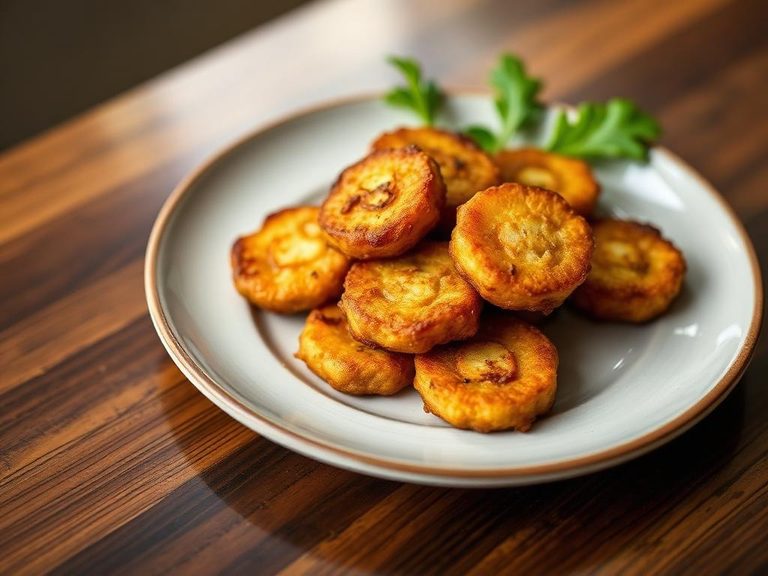
🌍 Where it's eaten
💡 Did you know?
Traditional casabe production involves leaching the grated cassava pulp in a woven sleeve press called a 'sebucán' to remove potentially toxic cyanide compounds before baking.
Full nutrition (USDA data · scales with serving)
| Water | 21.6 g |
| Energy | 299 kcal |
| Protein | 2.5 g |
| Total lipid (fat) | 0.52 g |
| Carbohydrate, by difference | 71.2 g |
| Fiber, total dietary | 3.4 g |
| Total Sugars | 3.2 g |
| Calcium, Ca | 31.0 mg |
| Iron, Fe | 0.50 mg |
| Magnesium, Mg | 39.0 mg |
| Phosphorus, P | 51.0 mg |
| Potassium, K | 507 mg |
| Sodium, Na | 1185 mg |
| Zinc, Zn | 0.64 mg |
| Copper, Cu | 0.19 mg |
| Selenium, Se | 1.3 ug |
| Vitamin C, total ascorbic acid | 28.9 mg |
| Thiamin | 0.15 mg |
| Riboflavin | 0.09 mg |
| Niacin | 1.5 mg |
| Vitamin B-6 | 0.16 mg |
| Folate, total | 40.0 ug |
| Folic acid | 0.00 ug |
| Folate, food | 40.0 ug |
| Folate, DFE | 40.0 ug |
| Choline, total | 44.3 mg |
| Vitamin B-12 | 0.00 ug |
| Vitamin B-12, added | 0.00 ug |
| Vitamin A, RAE | 2.0 ug |
| Retinol | 0.00 ug |
| Carotene, beta | 14.0 ug |
| Carotene, alpha | 0.00 ug |
| Cryptoxanthin, beta | 0.00 ug |
| Lycopene | 0.00 ug |
| Lutein + zeaxanthin | 0.00 ug |
| Vitamin E (alpha-tocopherol) | 0.36 mg |
| Vitamin E, added | 0.00 mg |
| Vitamin D (D2 + D3) | 0.00 ug |
| Vitamin K (phylloquinone) | 3.6 ug |
| Alcohol, ethyl | 0.00 g |
| Caffeine | 0.00 mg |
| Theobromine | 0.00 mg |
Fat & fatty acid profile (per 100g)
| Fatty acids, total saturated | 0.14 g |
| SFA 4:0 | 0.00 g |
| SFA 6:0 | 0.00 g |
| SFA 8:0 | 0.00 g |
| SFA 10:0 | 0.00 g |
| SFA 12:0 | 0.00 g |
| SFA 14:0 | 0.00 g |
| SFA 16:0 | 0.13 g |
| SFA 18:0 | 0.01 g |
| Fatty acids, total monounsaturated | 0.14 g |
| MUFA 16:1 | 0.00 g |
| MUFA 18:1 | 0.14 g |
| MUFA 20:1 | 0.00 g |
| MUFA 22:1 | 0.00 g |
| Fatty acids, total polyunsaturated | 0.09 g |
| PUFA 18:2 | 0.06 g |
| PUFA 18:3 | 0.03 g |
| PUFA 18:4 | 0.00 g |
| PUFA 20:4 | 0.00 g |
| PUFA 20:5 n-3 (EPA) | 0.00 g |
| PUFA 22:5 n-3 (DPA) | 0.00 g |
| PUFA 22:6 n-3 (DHA) | 0.00 g |
| Cholesterol | 0.00 mg |
FAQ
Is casabe the same as pita bread?
No, while both are flatbreads, casabe is made from cassava (a root vegetable) and is gluten-free, whereas pita is typically made from wheat flour. Casabe is also much drier and crispier.
How do you eat casabe?
It's often broken into pieces and used like crackers or chips, or warmed and softened slightly to be used as a wrap or sandwich bread.
Is casabe healthy?
It's a good source of energy and fiber but is very low in protein and fat. It's best enjoyed as part of a balanced meal, not as a sole carbohydrate source.
Nutrient density (calculated · NRF9.3)
Nutrient Rich Foods index: beneficial nutrients (protein, fiber, vitamins, minerals) minus saturated fat, added sugar & sodium, per 100 kcal.
NRF9.3 index — Fulgoni, Keast & Drewnowski, 2009. Computed from USDA nutrients.
Weight-loss friendliness (composite index)
Energy density 2.99 kcal/g · 3% calories from protein · 3.4 g fiber · 3.2 g sugar per 100 g.
Composite of energy density (Rolls et al., 1999), protein & fiber satiety, minus sugar. A calculated heuristic — ranks satiety-per-calorie, not a clinical measure.
Dietary load (calculated from USDA values)
Potential renal acid load. Positive = acid-forming, negative = alkaline-forming.
Sodium-to-potassium ratio: 2.34 (lower is better — aim for ≤ 1)
Sodium:potassium per WHO potassium guidance. Computed from USDA nutrients.