

Caramel dip, light
Common food

Photo: Wikipedia
Light caramel dip is a smooth, glossy, and pourable confection with a rich, buttery sweetness and a hint of vanilla. It's a lower-fat version of traditional caramel sauce, often achieved by replacing butter or cream with water, milk, or thickeners. Nutritionally, it's a dense source of quick energy, providing 57 grams of sugar per 100g.
Calorie split: 2% protein · 98% carbs · 0% fat
↓ Full nutrition💚 Why it's loved
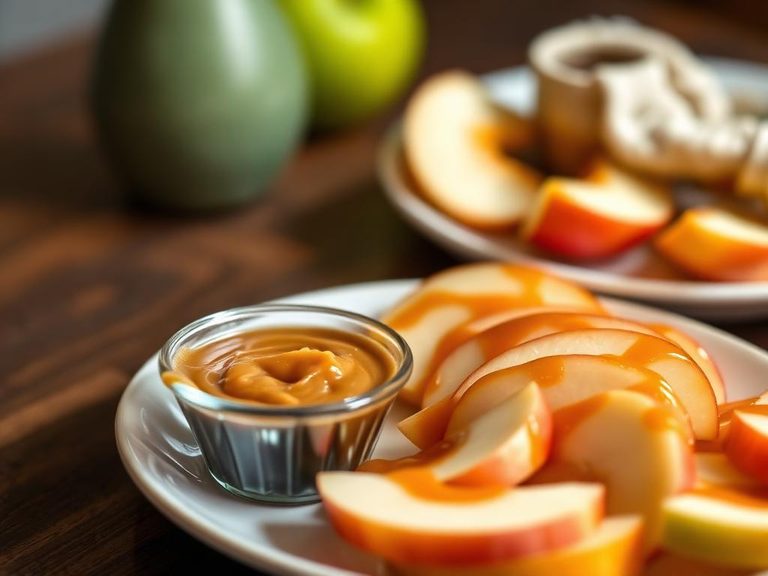
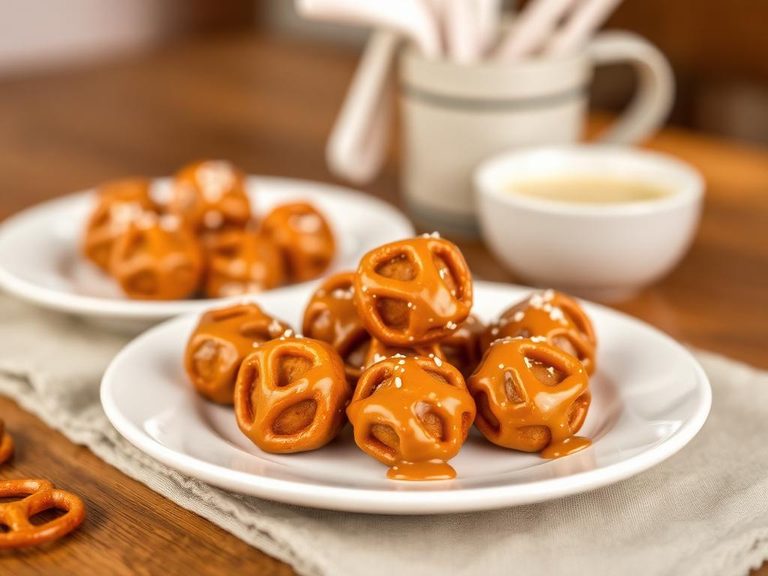
People love it for its classic, indulgent butterscotch-like flavor that instantly elevates simple snacks like apple slices or pretzels. Its versatility as a dip, drizzle, or baking ingredient makes it a beloved pantry staple for both kids and adults.
⚠️ Watch-outs & how to enjoy it better
Its high sugar content (57g per 100g) can cause rapid blood-sugar spikes, making it a poor choice for individuals managing diabetes or insulin resistance. To counteract this, always pair it with a source of protein or fat (like nuts, Greek yogurt, or whole-grain crackers) and practice strict portion control.
Key benefits
- Provides a quick source of carbohydrate energy.
- Fat-free formulation reduces overall calorie density compared to traditional caramel.
- Adds intense sweetness and flavor to snacks and desserts.
- Convenient, shelf-stable topping for immediate use.
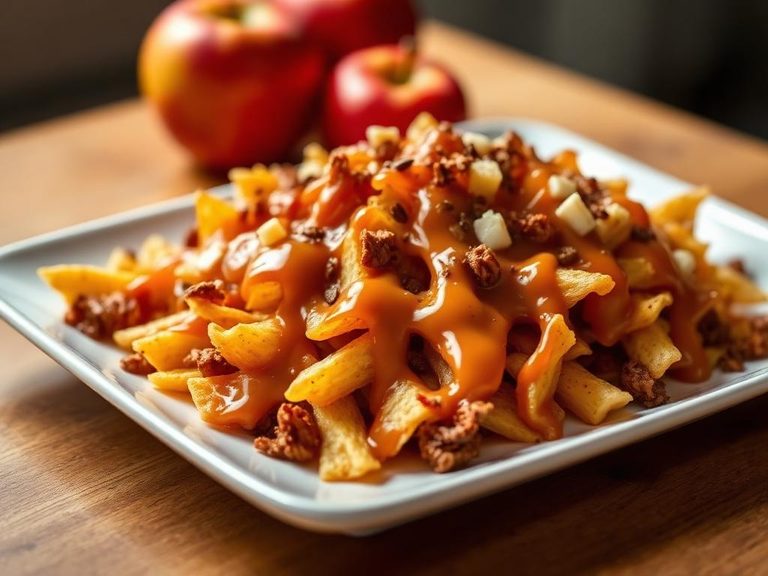
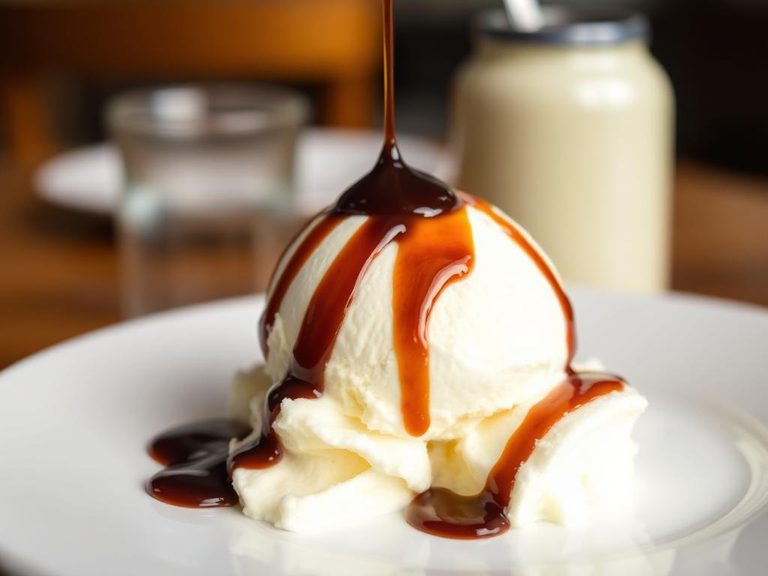
🍽️ Popular dishes
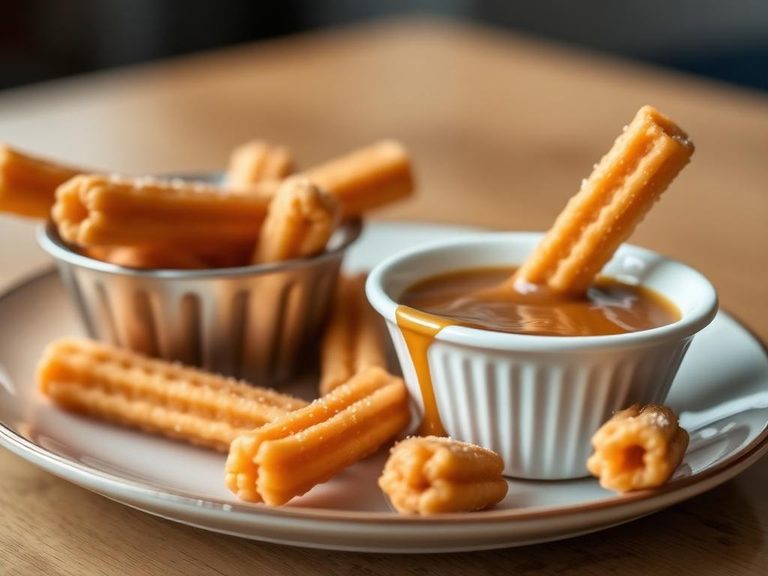
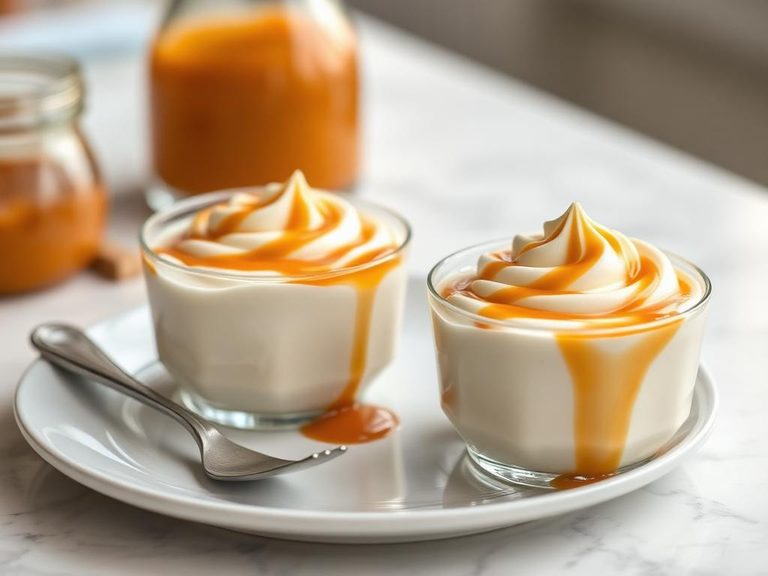
🌍 Where it's eaten
💡 Did you know?
The 'light' version often achieves its texture not by reducing sugar, but by using modified food starch or other thickeners to mimic the mouthfeel of full-fat caramel without the butter or cream.
Full nutrition (USDA data · scales with serving)
| Water | 40.6 g |
| Energy | 216 kcal |
| Protein | 1.2 g |
| Total lipid (fat) | 0.00 g |
| Carbohydrate, by difference | 57.0 g |
| Fiber, total dietary | 0.00 g |
| Total Sugars | 57.0 g |
| Calcium, Ca | 49.0 mg |
| Iron, Fe | 0.00 mg |
| Magnesium, Mg | 5.0 mg |
| Phosphorus, P | 39.0 mg |
| Potassium, K | 66.0 mg |
| Sodium, Na | 341 mg |
| Zinc, Zn | 0.00 mg |
| Copper, Cu | 0.00 mg |
| Selenium, Se | 1.3 ug |
| Vitamin C, total ascorbic acid | 0.50 mg |
| Thiamin | 0.00 mg |
| Riboflavin | 0.00 mg |
| Niacin | 0.00 mg |
| Vitamin B-6 | 0.00 mg |
| Folate, total | 2.0 ug |
| Folic acid | 0.00 ug |
| Folate, food | 2.0 ug |
| Folate, DFE | 2.0 ug |
| Choline, total | 6.6 mg |
| Vitamin B-12 | 0.18 ug |
| Vitamin B-12, added | 0.00 ug |
| Vitamin A, RAE | 19.0 ug |
| Retinol | 19.0 ug |
| Carotene, beta | 0.00 ug |
| Carotene, alpha | 0.00 ug |
| Cryptoxanthin, beta | 0.00 ug |
| Lycopene | 0.00 ug |
| Lutein + zeaxanthin | 0.00 ug |
| Vitamin E (alpha-tocopherol) | 0.05 mg |
| Vitamin E, added | 0.00 mg |
| Vitamin D (D2 + D3) | 0.00 ug |
| Vitamin K (phylloquinone) | 0.00 ug |
| Alcohol, ethyl | 0.00 g |
| Caffeine | 0.00 mg |
| Theobromine | 0.00 mg |
Fat & fatty acid profile (per 100g)
| Fatty acids, total saturated | 0.00 g |
| SFA 4:0 | 0.00 g |
| SFA 6:0 | 0.00 g |
| SFA 8:0 | 0.00 g |
| SFA 10:0 | 0.00 g |
| SFA 12:0 | 0.00 g |
| SFA 14:0 | 0.00 g |
| SFA 16:0 | 0.00 g |
| SFA 18:0 | 0.00 g |
| Fatty acids, total monounsaturated | 0.00 g |
| MUFA 16:1 | 0.00 g |
| MUFA 18:1 | 0.00 g |
| MUFA 20:1 | 0.00 g |
| MUFA 22:1 | 0.00 g |
| Fatty acids, total polyunsaturated | 0.00 g |
| PUFA 18:2 | 0.00 g |
| PUFA 18:3 | 0.00 g |
| PUFA 18:4 | 0.00 g |
| PUFA 20:4 | 0.00 g |
| PUFA 20:5 n-3 (EPA) | 0.00 g |
| PUFA 22:5 n-3 (DPA) | 0.00 g |
| PUFA 22:6 n-3 (DHA) | 0.00 g |
| Cholesterol | 0.00 mg |
FAQ
How is light caramel dip different from regular caramel sauce?
Light caramel dip typically replaces the butter and heavy cream found in traditional caramel sauce with water, milk, or thickeners like modified food starch, resulting in a fat-free product with a similar sweet flavor but a slightly different, often thinner, texture.
Can I use light caramel dip for baking?
Yes, it can be used as a flavoring agent in batters, fillings, or as a swirl in brownies and cakes. However, because it lacks the fat of traditional caramel, it may not provide the same richness or texture in baked goods.
Is light caramel dip suitable for a vegan diet?
It depends on the brand. Some light caramel dips are made with dairy milk or contain other animal-derived ingredients. Always check the ingredient list for milk, cream, or casein to confirm if it's vegan.
Nutrient density (calculated · NRF9.3)
Nutrient Rich Foods index: beneficial nutrients (protein, fiber, vitamins, minerals) minus saturated fat, added sugar & sodium, per 100 kcal.
NRF9.3 index — Fulgoni, Keast & Drewnowski, 2009. Computed from USDA nutrients.
Weight-loss friendliness (composite index)
Energy density 2.16 kcal/g · 2% calories from protein · 0.0 g fiber · 57.0 g sugar per 100 g.
Composite of energy density (Rolls et al., 1999), protein & fiber satiety, minus sugar. A calculated heuristic — ranks satiety-per-calorie, not a clinical measure.
Dietary load (calculated from USDA values)
Potential renal acid load. Positive = acid-forming, negative = alkaline-forming.
Sodium-to-potassium ratio: 5.17 (lower is better — aim for ≤ 1)
Sodium:potassium per WHO potassium guidance. Computed from USDA nutrients.