Beans, great northern, mature seeds, cooked, boiled, with salt
Whole food · Legumes and Legume Products

Photo: Wikipedia
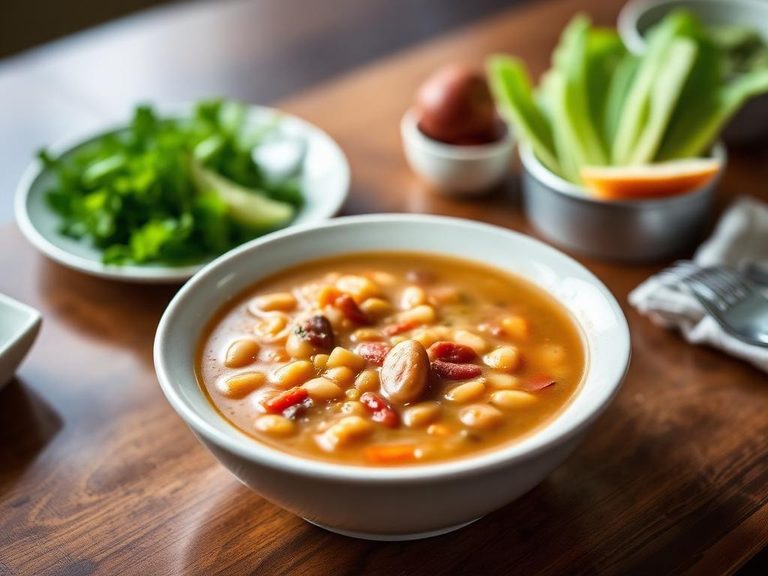
Great Northern beans are small, oval-shaped white beans with a delicate, slightly nutty flavor and a creamy, tender texture when cooked. They are a nutritional powerhouse, offering a substantial 8.33g of protein and 7g of fiber per 100g for very few calories. Their mild taste makes them a perfect canvas for absorbing the flavors of herbs, broths, and seasonings.
💚 Why it's loved
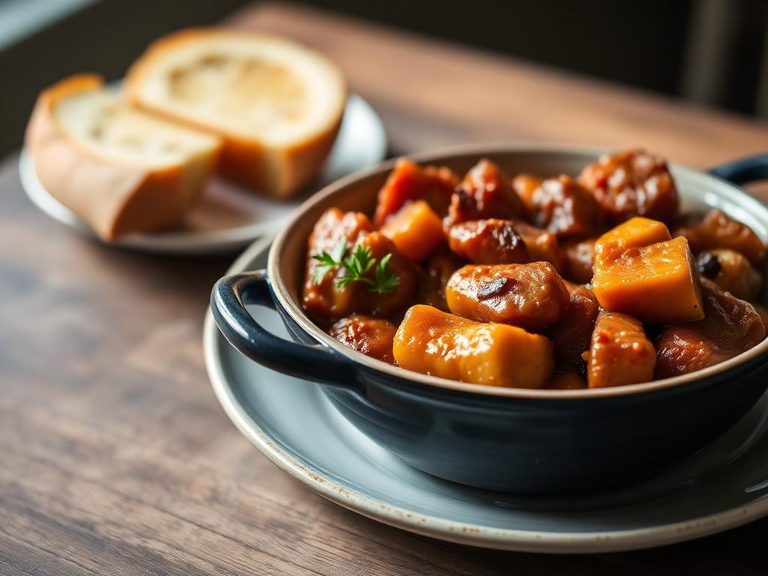
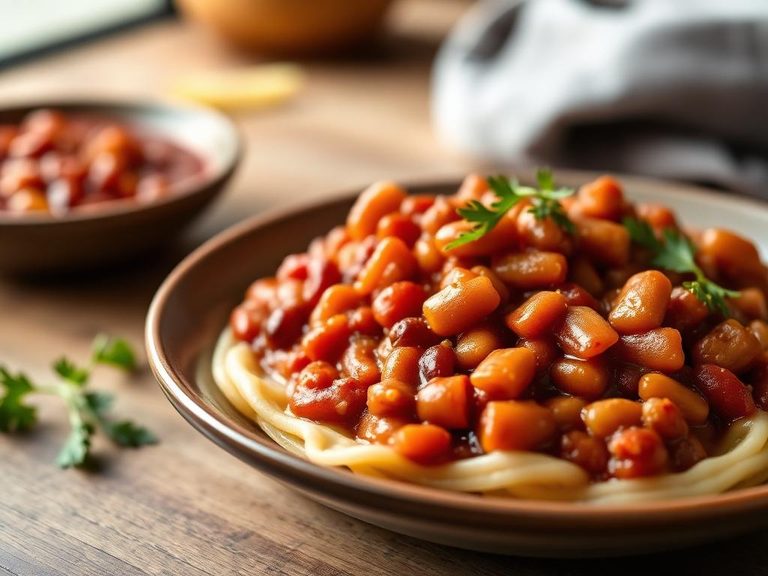
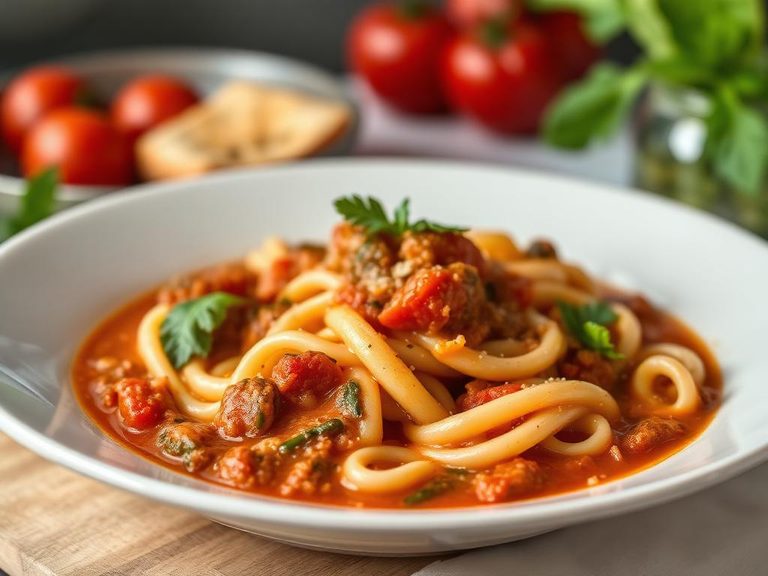
People love Great Northern beans for their incredible versatility and ability to absorb flavors, making them a comforting staple in soups, stews, and casseroles. They are a beloved, affordable protein source in many home kitchens and carry cultural significance in traditional dishes.
⚠️ Watch-outs & how to enjoy it better
The high fiber content can cause digestive discomfort (gas, bloating) for some, especially if not accustomed to legumes. Canned versions can be high in sodium. To counteract, start with small portions, rinse canned beans thoroughly, or soak and cook dried beans yourself. Pairing them with a source of vitamin C (like tomatoes) can enhance iron absorption.
Key benefits
- Excellent source of plant-based protein
- High in dietary fiber for digestive health
- Low in fat and naturally sugar-free
- Rich in minerals like iron, folate, and magnesium
- Provides sustained energy from complex carbohydrates
🍽️ Popular dishes
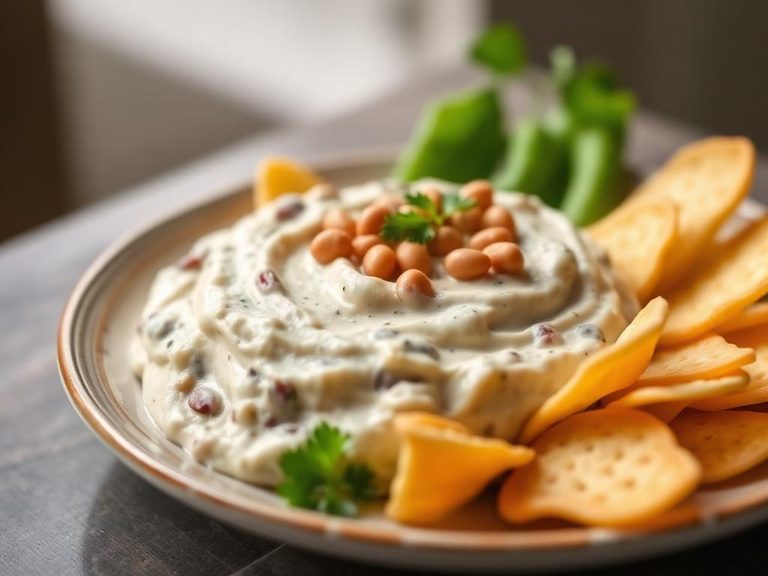
🌍 Where it's eaten
💡 Did you know?
Despite their name, Great Northern beans are not exclusively from the northern U.S.; the name likely refers to their popularity in northern regions and their large size compared to other white beans.
Full nutrition (scales with serving)
| Water | 69.0 g |
| Energy | 118 kcal |
| Energy | 494 kj |
| Protein | 8.3 g |
| Total lipid (fat) | 0.45 g |
| Ash | 1.1 g |
| Carbohydrate, by difference | 21.1 g |
| Fiber, total dietary | 7.0 g |
| Calcium, Ca | 68.0 mg |
| Iron, Fe | 2.1 mg |
| Magnesium, Mg | 50.0 mg |
| Phosphorus, P | 165 mg |
| Potassium, K | 391 mg |
| Sodium, Na | 238 mg |
| Zinc, Zn | 0.88 mg |
| Copper, Cu | 0.25 mg |
| Manganese, Mn | 0.52 mg |
| Selenium, Se | 4.1 ug |
| Vitamin C, total ascorbic acid | 1.3 mg |
| Thiamin | 0.16 mg |
| Riboflavin | 0.06 mg |
| Niacin | 0.68 mg |
| Pantothenic acid | 0.27 mg |
| Vitamin B-6 | 0.12 mg |
| Folate, total | 102 ug |
| Folic acid | 0.00 ug |
| Folate, food | 102 ug |
| Folate, DFE | 102 ug |
| Vitamin B-12 | 0.00 ug |
| Vitamin A, RAE | 0.00 ug |
| Retinol | 0.00 ug |
| Vitamin A, IU | 1.0 iu |
| Vitamin D (D2 + D3), International Units | 0.00 iu |
| Vitamin D (D2 + D3) | 0.00 ug |
Fat & fatty acid profile (per 100g)
| Fatty acids, total saturated | 0.14 g |
| SFA 16:0 | 0.13 g |
| SFA 18:0 | 0.01 g |
| Fatty acids, total monounsaturated | 0.02 g |
| MUFA 18:1 | 0.02 g |
| Fatty acids, total polyunsaturated | 0.19 g |
| PUFA 18:2 | 0.10 g |
| PUFA 18:3 | 0.08 g |
| Fatty acids, total trans | 0.00 g |
| Cholesterol | 0.00 mg |
Amino acid profile (per 100g)
| Tryptophan | 0.10 g |
| Threonine | 0.35 g |
| Isoleucine | 0.37 g |
| Leucine | 0.67 g |
| Lysine | 0.57 g |
| Methionine | 0.13 g |
| Cystine | 0.09 g |
| Phenylalanine | 0.45 g |
| Tyrosine | 0.23 g |
| Valine | 0.44 g |
| Arginine | 0.52 g |
| Histidine | 0.23 g |
| Alanine | 0.35 g |
| Aspartic acid | 1.0 g |
| Glutamic acid | 1.3 g |
| Glycine | 0.33 g |
| Proline | 0.35 g |
| Serine | 0.45 g |
FAQ
What's the difference between Great Northern beans and cannellini beans?
Great Northern beans are smaller, more oval, and have a slightly more delicate flavor and firmer texture. Cannellini beans are larger, kidney-shaped, and have a creamier, more starchy texture when cooked.
Do I need to soak dried Great Northern beans before cooking?
Soaking overnight (or for at least 8 hours) is highly recommended. It reduces cooking time, helps ensure even cooking, and can make the beans easier to digest by breaking down some of the complex sugars.
How can I reduce the gas produced by eating beans?
Soaking and discarding the water, thoroughly rinsing canned beans, cooking them with digestive herbs like bay leaf or ginger, and gradually increasing your intake can all help your digestive system adapt and reduce discomfort.