Peppermint, fresh
Whole food · Spices and Herbs

Photo: Wikipedia
Fresh peppermint is an aromatic herb with bright green, serrated leaves and a powerful, cooling flavor from its high menthol content. Its texture is tender and slightly crisp when fresh, releasing an intense, sweet-spicy aroma when bruised. Nutritionally, it's a low-calorie powerhouse, offering an impressive 8 grams of fiber per 100 grams, which is more than most fruits.
💚 Why it's loved
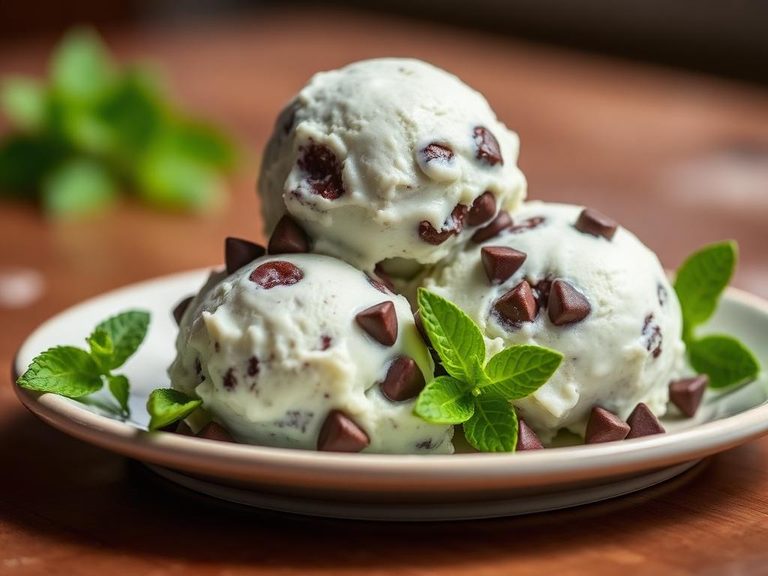
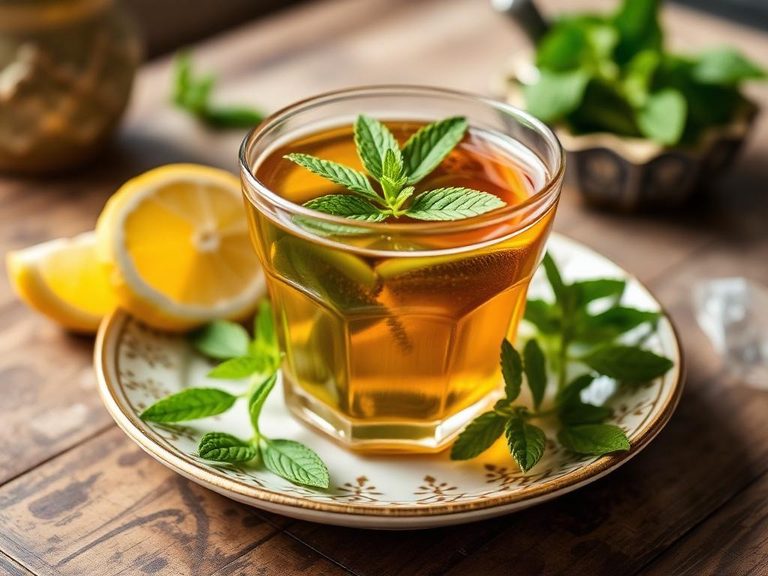
People adore peppermint for its uniquely refreshing and versatile flavor that can instantly brighten both sweet and savory dishes. It's deeply embedded in global culinary culture, from Moroccan tea to Italian gelato, symbolizing freshness and hospitality.
⚠️ Watch-outs & how to enjoy it better
The strong, mentholated flavor can be overwhelming in large quantities, potentially clashing with delicate ingredients. For some, the intense sensation can trigger heartburn or acid reflux. To counteract this, use it as a garnish or in infused waters rather than as a primary ingredient, and pair it with creamy bases like yogurt or ice cream to mellow its sharpness.
Key benefits
- Excellent source of dietary fiber (8g per 100g)
- Very low in calories (70 kcal per 100g)
- Contains no fat or sugar
- Provides a good amount of plant-based protein (3.75g per 100g)
- Rich in antioxidants like rosmarinic acid
🍽️ Popular dishes
🌍 Where it's eaten
💡 Did you know?
Peppermint is a natural hybrid of watermint and spearmint, first scientifically classified in 1696 in a garden in England.
Full nutrition (scales with serving)
| Water | 78.7 g |
| Energy | 70.0 kcal |
| Energy | 293 kj |
| Protein | 3.8 g |
| Total lipid (fat) | 0.94 g |
| Ash | 1.8 g |
| Carbohydrate, by difference | 14.9 g |
| Fiber, total dietary | 8.0 g |
| Calcium, Ca | 243 mg |
| Iron, Fe | 5.1 mg |
| Magnesium, Mg | 80.0 mg |
| Phosphorus, P | 73.0 mg |
| Potassium, K | 569 mg |
| Sodium, Na | 31.0 mg |
| Zinc, Zn | 1.1 mg |
| Copper, Cu | 0.33 mg |
| Manganese, Mn | 1.2 mg |
| Vitamin C, total ascorbic acid | 31.8 mg |
| Thiamin | 0.08 mg |
| Riboflavin | 0.27 mg |
| Niacin | 1.7 mg |
| Pantothenic acid | 0.34 mg |
| Vitamin B-6 | 0.13 mg |
| Folate, total | 114 ug |
| Folic acid | 0.00 ug |
| Folate, food | 114 ug |
| Folate, DFE | 114 ug |
| Vitamin B-12 | 0.00 ug |
| Vitamin A, RAE | 212 ug |
| Retinol | 0.00 ug |
| Vitamin A, IU | 4248 iu |
| Vitamin D (D2 + D3), International Units | 0.00 iu |
| Vitamin D (D2 + D3) | 0.00 ug |
Fat & fatty acid profile (per 100g)
| Fatty acids, total saturated | 0.25 g |
| SFA 14:0 | 0.01 g |
| SFA 16:0 | 0.18 g |
| SFA 18:0 | 0.03 g |
| Fatty acids, total monounsaturated | 0.03 g |
| MUFA 16:1 | 0.00 g |
| MUFA 18:1 | 0.03 g |
| Fatty acids, total polyunsaturated | 0.51 g |
| PUFA 18:2 | 0.07 g |
| PUFA 18:3 | 0.43 g |
| Fatty acids, total trans | 0.00 g |
| Cholesterol | 0.00 mg |
| Phytosterols | 13.0 mg |
Amino acid profile (per 100g)
| Tryptophan | 0.06 g |
| Threonine | 0.15 g |
| Isoleucine | 0.15 g |
| Leucine | 0.28 g |
| Lysine | 0.16 g |
| Methionine | 0.05 g |
| Cystine | 0.04 g |
| Phenylalanine | 0.19 g |
| Tyrosine | 0.11 g |
| Valine | 0.19 g |
| Arginine | 0.17 g |
| Histidine | 0.07 g |
| Alanine | 0.20 g |
| Aspartic acid | 0.44 g |
| Glutamic acid | 0.41 g |
| Glycine | 0.18 g |
| Proline | 0.15 g |
| Serine | 0.15 g |
FAQ
What's the difference between fresh peppermint and spearmint?
Peppermint has a stronger, more pungent, and cooler flavor due to higher menthol content, while spearmint is sweeter and milder. Peppermint leaves are typically darker green and smoother.
How should I store fresh peppermint?
Wrap the stems in a damp paper towel, place in a loose plastic bag, and refrigerate. Alternatively, stand the stems in a jar of water on the counter, like fresh flowers, for a few days.
Can I use peppermint in savory dishes?
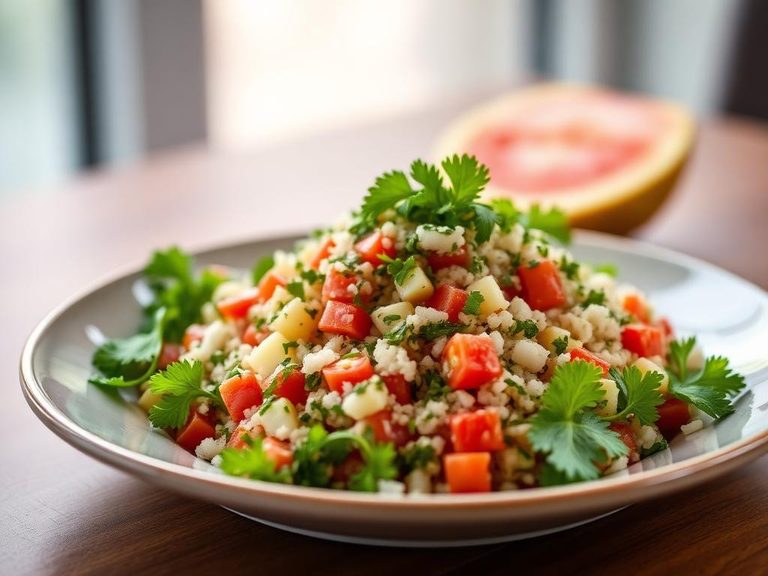
Absolutely. It's a key ingredient in Middle Eastern salads like tabbouleh, pairs wonderfully with lamb and peas, and is used in raita and chutneys across Indian cuisine.