Salami, Italian, pork and beef, dry, sliced, 50% less sodium
Whole food · Sausages and Luncheon Meats

Photo: Wikipedia
This is a leaner take on a classic Italian charcuterie staple, made from a blend of pork and beef that's been dry-cured and sliced thin. It delivers a robust, savory flavor with a firm, slightly chewy texture, but with a notably reduced sodium content compared to traditional varieties. Nutritionally, it's a protein-dense, low-carb option with a significant portion of its calories coming from fat.
💚 Why it's loved
People love it for its concentrated, umami-rich flavor and satisfying texture that elevates simple meals. It's a versatile ingredient that brings an instant touch of Italian culinary tradition to everything from sandwiches to salads.
⚠️ Watch-outs & how to enjoy it better
Despite the sodium reduction, it remains a processed meat high in saturated fat and should be enjoyed in moderation by those monitoring heart health or blood pressure. To counteract this, pair it with fiber-rich vegetables like arugula or bell peppers in a sandwich, and be mindful of portion sizes as a topping rather than a main protein.
Key benefits
- Excellent source of complete protein for muscle maintenance.
- Very low in carbohydrates and sugars, suitable for low-carb diets.
- Provides a good source of B vitamins like B12 and niacin.
- The reduced sodium version supports better heart health choices.
- Convenient, ready-to-eat source of energy and satiety.
🍽️ Popular dishes
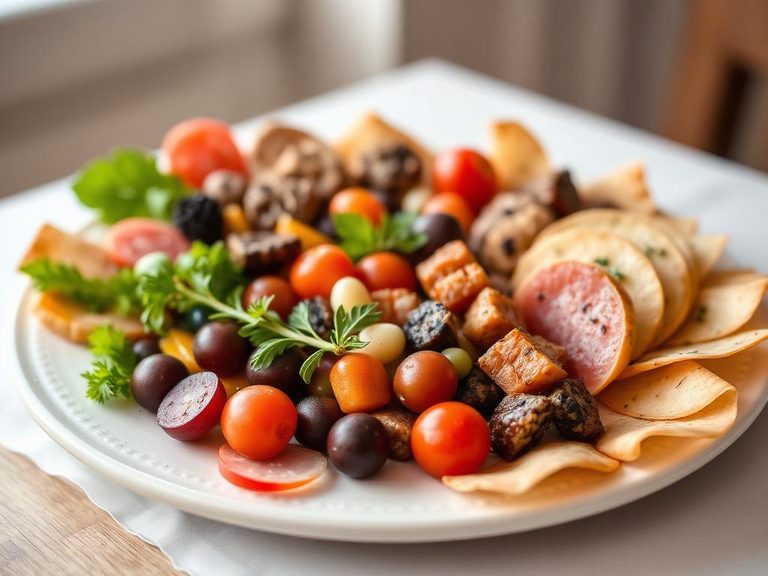
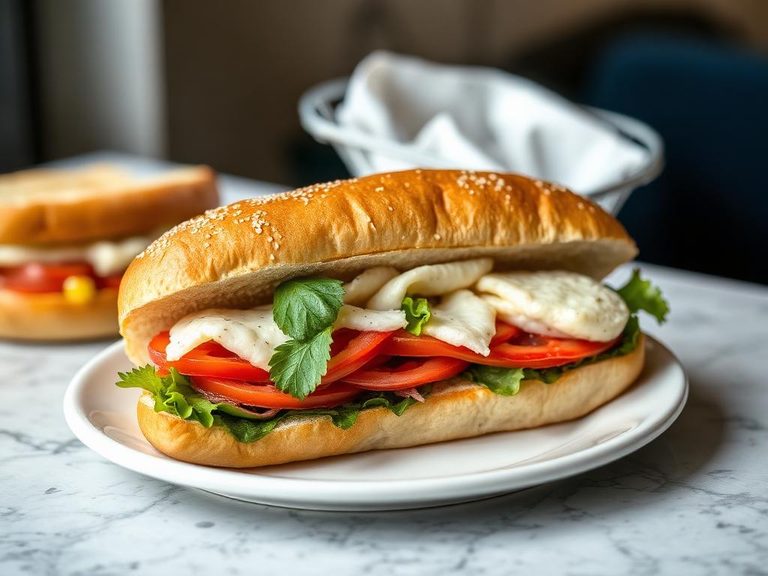
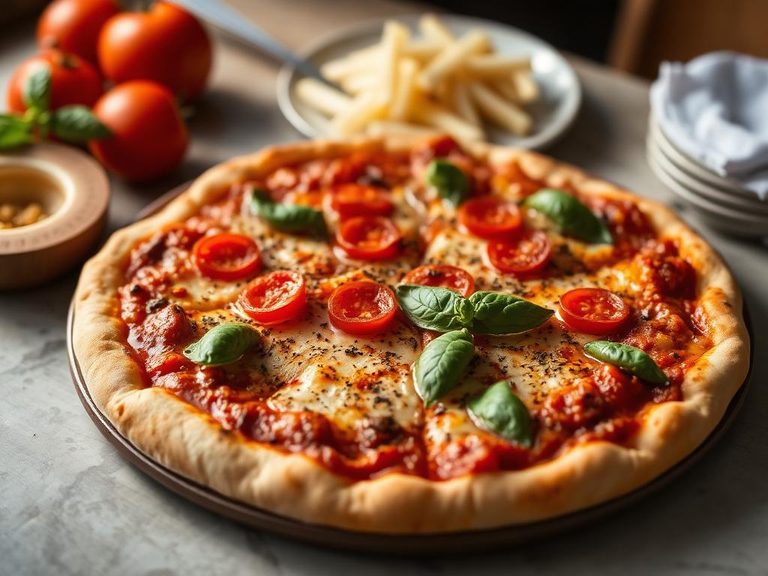
🌍 Where it's eaten
💡 Did you know?
The 'dry' in dry-cured refers to the curing process using salt and air, not the absence of moisture in the final product; the meat actually loses about 30-40% of its original weight during this months-long process.
Full nutrition (scales with serving)
| Water | 40.5 g |
| Energy | 350 kcal |
| Energy | 1466 kj |
| Protein | 21.8 g |
| Total lipid (fat) | 26.4 g |
| Ash | 4.9 g |
| Carbohydrate, by difference | 6.4 g |
| Fiber, total dietary | 0.00 g |
| Total Sugars | 0.00 g |
| Calcium, Ca | 8.0 mg |
| Iron, Fe | 1.5 mg |
| Magnesium, Mg | 17.0 mg |
| Phosphorus, P | 142 mg |
| Potassium, K | 378 mg |
| Sodium, Na | 936 mg |
| Zinc, Zn | 3.2 mg |
| Copper, Cu | 0.08 mg |
| Manganese, Mn | 0.04 mg |
| Selenium, Se | 26.1 ug |
| Vitamin C, total ascorbic acid | 0.00 mg |
| Thiamin | 0.60 mg |
| Riboflavin | 0.28 mg |
| Niacin | 4.9 mg |
| Pantothenic acid | 1.1 mg |
| Vitamin B-6 | 0.50 mg |
| Folate, total | 2.0 ug |
| Folic acid | 0.00 ug |
| Folate, food | 2.0 ug |
| Folate, DFE | 2.0 ug |
| Vitamin B-12 | 1.9 ug |
| Vitamin A, RAE | 0.00 ug |
| Retinol | 0.00 ug |
| Carotene, beta | 0.00 ug |
| Carotene, alpha | 0.00 ug |
| Cryptoxanthin, beta | 0.00 ug |
| Vitamin A, IU | 0.00 iu |
| Lycopene | 0.00 ug |
| Lutein + zeaxanthin | 0.00 ug |
| Vitamin K (phylloquinone) | 1.3 ug |
| Alcohol, ethyl | 0.00 g |
| Caffeine | 0.00 mg |
| Theobromine | 0.00 mg |
Fat & fatty acid profile (per 100g)
| Fatty acids, total saturated | 9.8 g |
| Fatty acids, total monounsaturated | 13.2 g |
| Fatty acids, total polyunsaturated | 2.3 g |
| Cholesterol | 89.0 mg |
| Phytosterols | 0.00 mg |
Amino acid profile (per 100g)
| Tryptophan | 0.21 g |
| Threonine | 0.96 g |
| Isoleucine | 0.97 g |
| Leucine | 1.7 g |
| Lysine | 1.8 g |
| Methionine | 0.59 g |
| Cystine | 0.26 g |
| Phenylalanine | 0.87 g |
| Tyrosine | 0.71 g |
| Valine | 1.1 g |
| Arginine | 1.5 g |
| Histidine | 0.70 g |
| Alanine | 1.5 g |
| Aspartic acid | 2.1 g |
| Glutamic acid | 3.4 g |
| Glycine | 1.6 g |
| Proline | 1.2 g |
| Serine | 0.94 g |
FAQ
How is this different from regular salami?
This variety is specifically formulated with 50% less sodium than traditional recipes, often by adjusting the salt used in the curing process. The core ingredients of pork and beef and the dry-curing method remain similar.
Is it safe to eat raw?
Yes, dry-cured salami like this is a ready-to-eat product. The curing process with salt and controlled drying creates an environment that inhibits harmful bacteria, making it safe to consume without cooking.
What's the best way to store it after opening?
Once the package is opened, tightly wrap the remaining salami in plastic wrap or place it in an airtight container. Store it in the refrigerator's deli drawer, where it should keep well for about 1-2 weeks.