

Water, carbonated, flavored
Common food
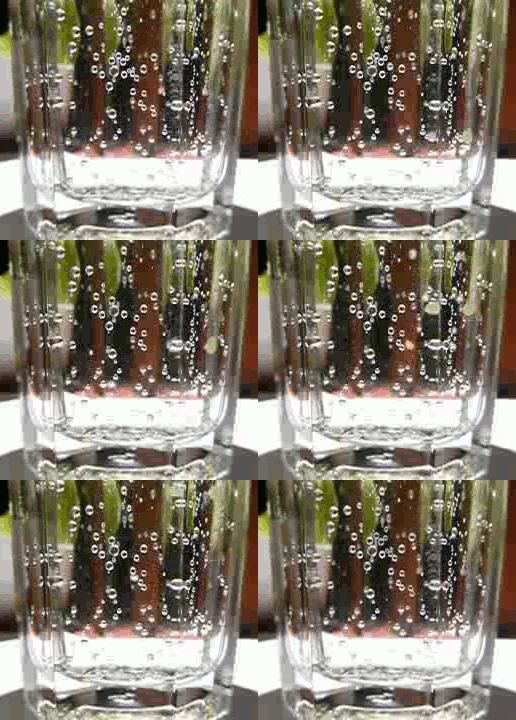
Photo: Wikipedia
This is a zero-calorie, flavored sparkling water, offering a crisp, effervescent fizz with a light, often fruity or botanical taste. It provides a refreshing, hydrating experience without the sugar, calories, or caffeine of traditional sodas. Nutritionally, it is essentially inert, contributing negligible amounts of protein, carbs, or fats.
Calorie split: 100% protein · 0% carbs · 0% fat
↓ Full nutrition💚 Why it's loved
People love it for delivering the satisfying fizz and flavor of soda without the guilt or sugar crash. Its versatility makes it a go-to mixer, a palate cleanser, or simply a more exciting way to meet daily hydration goals.
⚠️ Watch-outs & how to enjoy it better
The carbonation can cause bloating or discomfort for those with sensitive digestion or IBS. Some flavored varieties contain citric acid, which may erode tooth enamel over time with excessive consumption. To mitigate, sip slowly, use a straw to minimize tooth contact, and alternate with plain water.
Key benefits
- Zero calories and sugar-free, aiding in weight management.
- Provides a flavorful alternative to plain water, encouraging hydration.
- Offers a satisfying carbonation 'bite' without the downsides of sugary soft drinks.
- Often naturally flavored, avoiding artificial sweeteners in some brands.
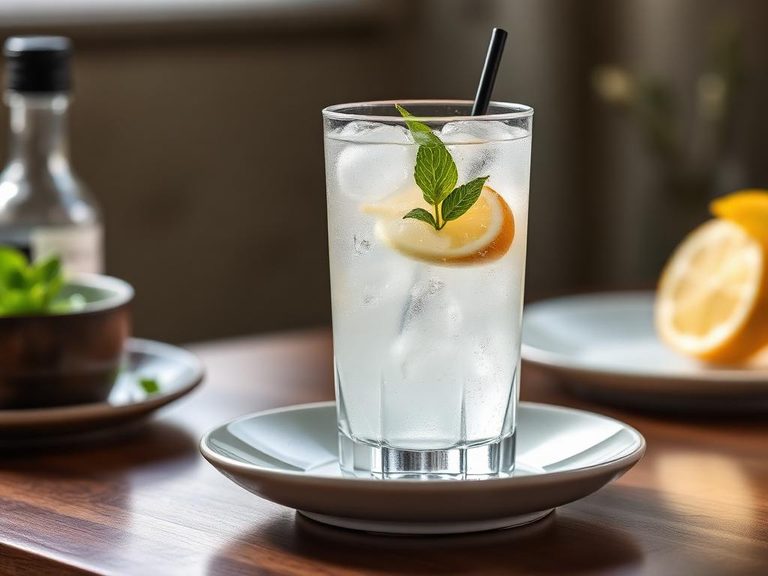
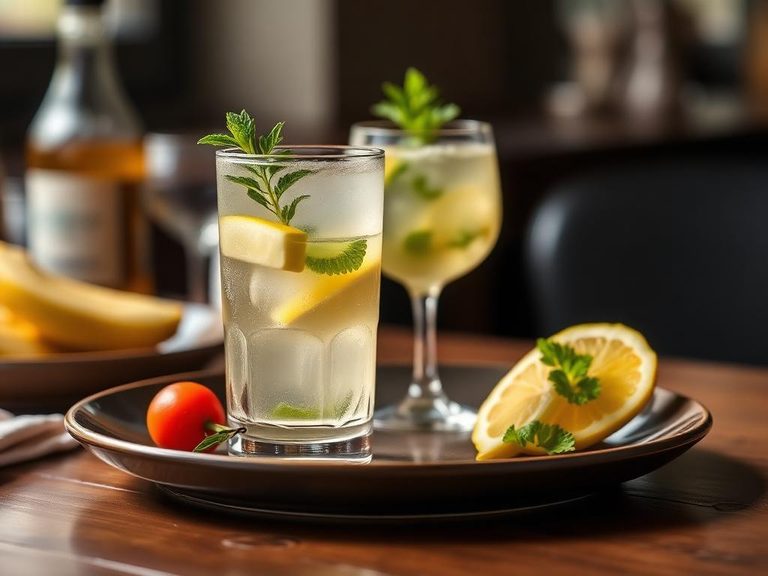
- Can be used as a base for low-calorie mocktails or spritzers.
🍽️ Popular dishes



🌍 Where it's eaten
💡 Did you know?
The first commercially sold carbonated beverage was created in 1767 by Joseph Priestley, who discovered a method to infuse water with carbon dioxide from a beer vat.
Full nutrition (USDA data · scales with serving)
| Water | 99.8 g |
| Energy | 0.00 kcal |
| Protein | 0.10 g |
| Total lipid (fat) | 0.00 g |
| Carbohydrate, by difference | 0.00 g |
| Fiber, total dietary | 0.00 g |
| Total Sugars | 0.00 g |
| Calcium, Ca | 4.0 mg |
| Iron, Fe | 0.04 mg |
| Magnesium, Mg | 1.0 mg |
| Phosphorus, P | 0.00 mg |
| Potassium, K | 2.0 mg |
| Sodium, Na | 6.0 mg |
| Zinc, Zn | 0.00 mg |
| Copper, Cu | 0.03 mg |
| Selenium, Se | 0.00 ug |
| Vitamin C, total ascorbic acid | 0.00 mg |
| Thiamin | 0.00 mg |
| Riboflavin | 0.00 mg |
| Niacin | 0.00 mg |
| Vitamin B-6 | 0.00 mg |
| Folate, total | 0.00 ug |
| Folic acid | 0.00 ug |
| Folate, food | 0.00 ug |
| Folate, DFE | 0.00 ug |
| Choline, total | 0.00 mg |
| Vitamin B-12 | 0.00 ug |
| Vitamin B-12, added | 0.00 ug |
| Vitamin A, RAE | 0.00 ug |
| Retinol | 0.00 ug |
| Carotene, beta | 0.00 ug |
| Carotene, alpha | 0.00 ug |
| Cryptoxanthin, beta | 0.00 ug |
| Lycopene | 0.00 ug |
| Lutein + zeaxanthin | 0.00 ug |
| Vitamin E (alpha-tocopherol) | 0.00 mg |
| Vitamin E, added | 0.00 mg |
| Vitamin D (D2 + D3) | 0.00 ug |
| Vitamin K (phylloquinone) | 0.00 ug |
| Alcohol, ethyl | 0.00 g |
| Caffeine | 0.00 mg |
| Theobromine | 0.00 mg |
Fat & fatty acid profile (per 100g)
| Fatty acids, total saturated | 0.00 g |
| SFA 4:0 | 0.00 g |
| SFA 6:0 | 0.00 g |
| SFA 8:0 | 0.00 g |
| SFA 10:0 | 0.00 g |
| SFA 12:0 | 0.00 g |
| SFA 14:0 | 0.00 g |
| SFA 16:0 | 0.00 g |
| SFA 18:0 | 0.00 g |
| Fatty acids, total monounsaturated | 0.00 g |
| MUFA 16:1 | 0.00 g |
| MUFA 18:1 | 0.00 g |
| MUFA 20:1 | 0.00 g |
| MUFA 22:1 | 0.00 g |
| Fatty acids, total polyunsaturated | 0.00 g |
| PUFA 18:2 | 0.00 g |
| PUFA 18:3 | 0.00 g |
| PUFA 18:4 | 0.00 g |
| PUFA 20:4 | 0.00 g |
| PUFA 20:5 n-3 (EPA) | 0.00 g |
| PUFA 22:5 n-3 (DPA) | 0.00 g |
| PUFA 22:6 n-3 (DHA) | 0.00 g |
| Cholesterol | 0.00 mg |
FAQ
Is carbonated flavored water bad for your teeth?
The carbonation itself is not harmful, but the carbonic acid it forms can soften enamel. Flavored varieties with added citric acid pose a greater risk. Drinking quickly and rinsing with plain water afterward can help protect your teeth.
Does it hydrate you as well as plain water?
Yes, studies show that plain and carbonated water are equally hydrating. The key is fluid intake, though some people may find the bubbles reduce the volume they drink.
Why does it sometimes taste 'metallic'?
This can be a perception caused by the carbonation interacting with taste buds, or from trace minerals in the water source. It's generally harmless but can be off-putting; trying a different brand may help.
Dietary load (calculated from USDA values)
Potential renal acid load. Positive = acid-forming, negative = alkaline-forming.
Sodium-to-potassium ratio: 3.00 (lower is better — aim for ≤ 1)
Sodium:potassium per WHO potassium guidance. Computed from USDA nutrients.