

Veal, variety meats and by-products, tongue, cooked, braised
Whole food · Lamb, Veal, and Game Products

Photo: Wikipedia
Braised veal tongue is a luxurious, tender cut with a uniquely smooth, dense texture and a rich, subtly sweet beefy flavor. Slow-cooked until fork-tender, it offers a melt-in-your-mouth experience with a clean, savory profile. Nutritionally, it's a powerhouse of high-quality protein and healthy fats with zero carbohydrates.
Calorie split: 53% protein · 0% carbs · 47% fat
↓ Full nutrition💚 Why it's loved
People cherish veal tongue for its unparalleled tenderness and delicate, refined flavor that absorbs braising liquids beautifully. It's a centerpiece of charcuterie and celebratory meals across many cultures, prized for its elegant texture and sophisticated taste.
⚠️ Watch-outs & how to enjoy it better
The primary downside is its high cholesterol and saturated fat content, which those monitoring heart health should consider. The initial preparation (peeling the skin) can be off-putting for some. To counteract, enjoy it in moderation, pair with fiber-rich vegetables like roasted root veggies or a sharp salad, and ensure it's part of a varied diet.
Key benefits
- Excellent source of complete protein (25.85g per 100g)
- Rich in B vitamins, especially B12 and niacin
- Contains essential minerals like zinc, iron, and phosphorus
- Zero carbohydrates, making it suitable for ketogenic diets
- High in conjugated linoleic acid (CLA), a beneficial fatty acid
🍽️ Popular dishes
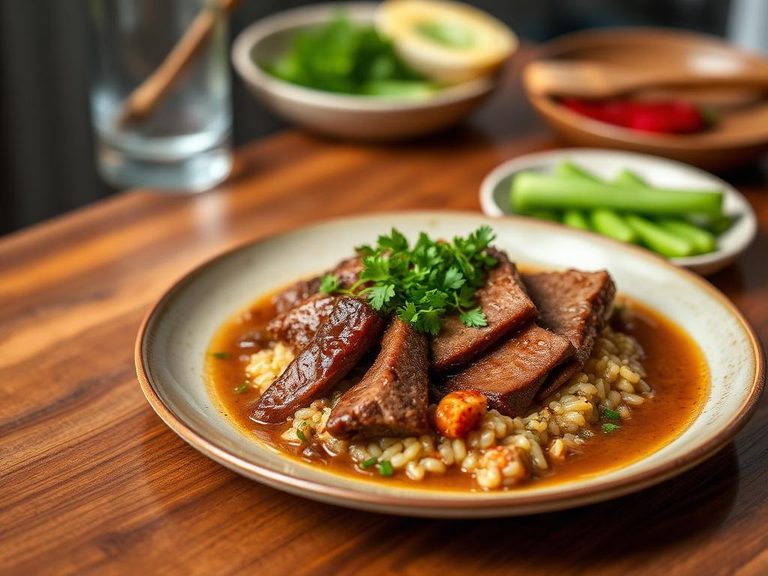
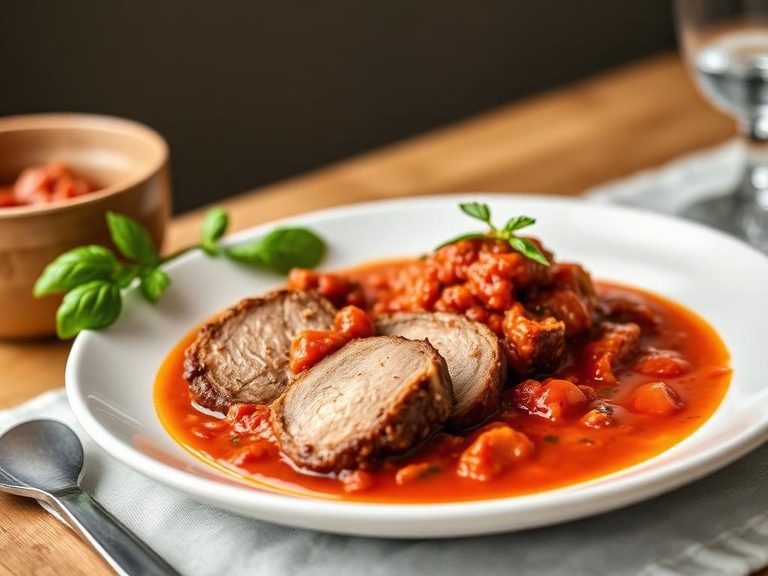
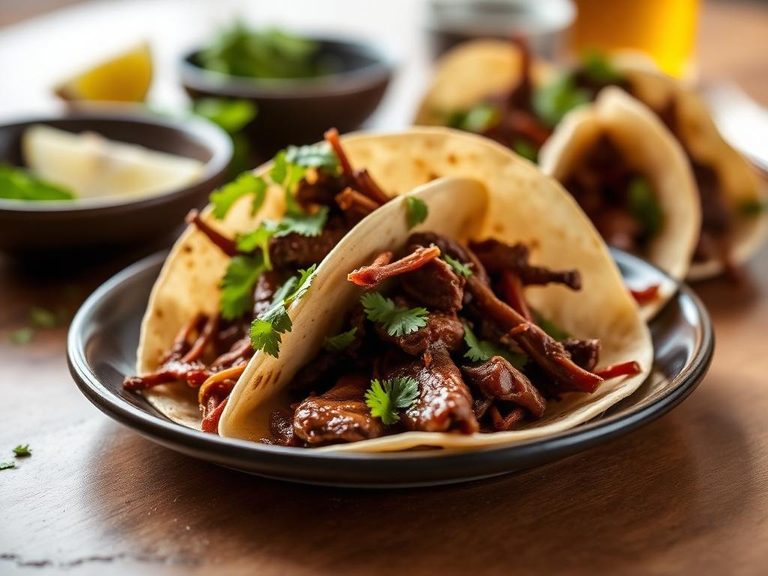
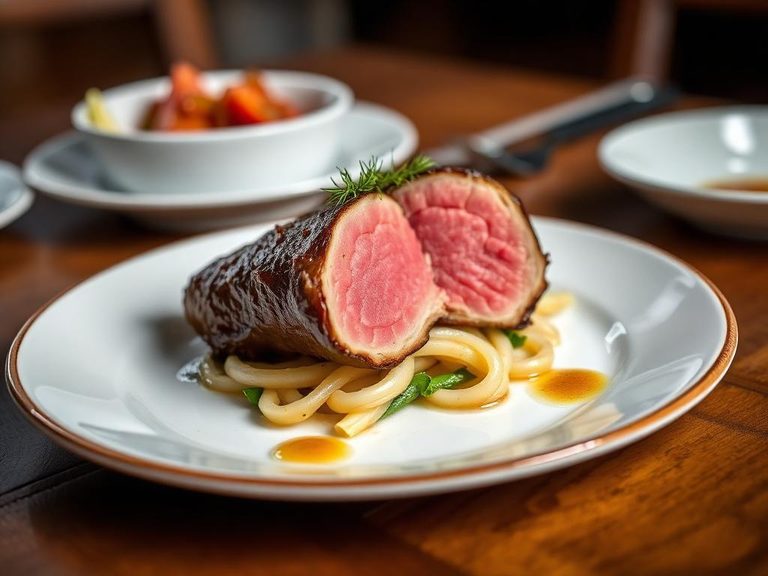
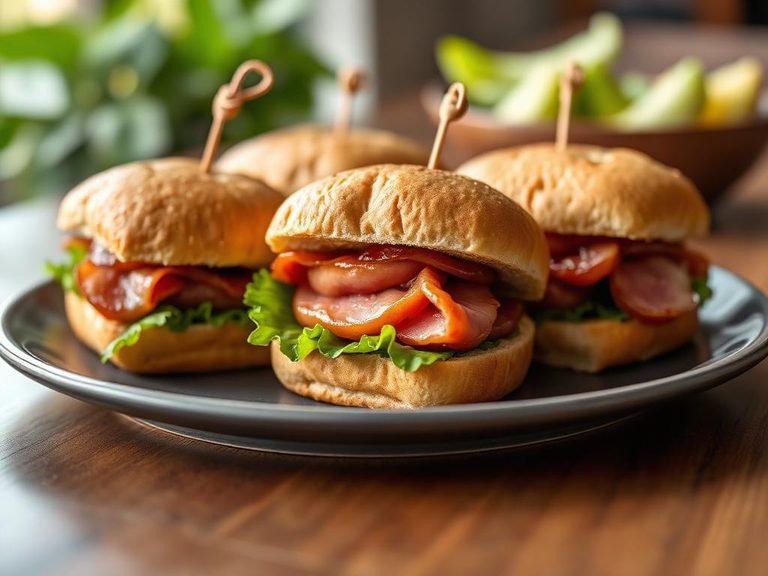
🌍 Where it's eaten
💡 Did you know?
A single veal tongue can weigh over a pound, yet nearly half of its weight is lost during the peeling and trimming process, making it a true delicacy by yield.
Full nutrition (USDA data · scales with serving)
| Water | 64.1 g |
| Energy | 202 kcal |
| Energy | 845 kj |
| Protein | 25.9 g |
| Total lipid (fat) | 10.1 g |
| Ash | 0.91 g |
| Carbohydrate, by difference | 0.00 g |
| Fiber, total dietary | 0.00 g |
| Calcium, Ca | 9.0 mg |
| Iron, Fe | 2.1 mg |
| Magnesium, Mg | 18.0 mg |
| Phosphorus, P | 166 mg |
| Potassium, K | 162 mg |
| Sodium, Na | 64.0 mg |
| Zinc, Zn | 4.5 mg |
| Copper, Cu | 0.21 mg |
| Manganese, Mn | 0.05 mg |
| Selenium, Se | 11.0 ug |
| Vitamin C, total ascorbic acid | 6.0 mg |
| Thiamin | 0.07 mg |
| Riboflavin | 0.35 mg |
| Niacin | 1.5 mg |
| Pantothenic acid | 0.74 mg |
| Vitamin B-6 | 0.15 mg |
| Folate, total | 9.0 ug |
| Folic acid | 0.00 ug |
| Folate, food | 9.0 ug |
| Folate, DFE | 9.0 ug |
| Vitamin B-12 | 5.3 ug |
| Vitamin A, RAE | 0.00 ug |
| Retinol | 0.00 ug |
| Vitamin A, IU | 0.00 iu |
Fat & fatty acid profile (per 100g)
| Fatty acids, total saturated | 4.3 g |
| Fatty acids, total monounsaturated | 4.6 g |
| MUFA 18:1 | 4.3 g |
| Fatty acids, total polyunsaturated | 0.38 g |
| PUFA 18:2 | 0.28 g |
| Cholesterol | 238 mg |
Amino acid profile (per 100g)
| Tryptophan | 0.28 g |
| Threonine | 1.0 g |
| Isoleucine | 1.1 g |
| Leucine | 1.9 g |
| Lysine | 1.9 g |
| Methionine | 0.53 g |
| Cystine | 0.26 g |
| Phenylalanine | 1.0 g |
| Tyrosine | 0.77 g |
| Valine | 1.2 g |
| Arginine | 1.5 g |
| Histidine | 0.59 g |
| Alanine | 1.4 g |
| Aspartic acid | 2.2 g |
| Glutamic acid | 3.5 g |
| Glycine | 1.5 g |
| Proline | 1.2 g |
| Serine | 0.96 g |
FAQ
How do you prepare veal tongue before braising?
It's typically simmered first in a flavorful broth or water with aromatics (like onion, bay leaf, peppercorns) for 2-3 hours until the outer skin can be easily peeled off. The peeled tongue is then braised or sliced for further cooking.
Is veal tongue the same as beef tongue?
They are from different animals (calf vs. cow) and have distinct flavors. Veal tongue is generally more tender, milder, and less fatty than mature beef tongue, which has a stronger, more robust flavor.
What's the best way to serve braised veal tongue?
It's incredibly versatile. Serve it warm sliced with its braising sauce, chilled in a vinaigrette for salads, or diced into a classic charcuterie board. It's also excellent in sandwiches or as part of a cold platter with cornichons and mustard.
Nutrient density (calculated · NRF9.3)
Nutrient Rich Foods index: beneficial nutrients (protein, fiber, vitamins, minerals) minus saturated fat, added sugar & sodium, per 100 kcal.
NRF9.3 index — Fulgoni, Keast & Drewnowski, 2009. Computed from USDA nutrients.
Weight-loss friendliness (composite index)
Energy density 2.02 kcal/g · 51% calories from protein · 0.0 g fiber · 0.0 g sugar per 100 g.
Composite of energy density (Rolls et al., 1999), protein & fiber satiety, minus sugar. A calculated heuristic — ranks satiety-per-calorie, not a clinical measure.
Dietary load (calculated from USDA values)
Potential renal acid load. Positive = acid-forming, negative = alkaline-forming.
Sodium-to-potassium ratio: 0.40 (lower is better — aim for ≤ 1)
Sodium:potassium per WHO potassium guidance. Computed from USDA nutrients.