

Tree fern, cooked, without salt
Whole food · Vegetables and Vegetable Products

Photo: Wikipedia
Tree fern, cooked, is a tender, slightly crunchy vegetable harvested from the young, coiled fronds of various fern species. It has a mild, earthy, and subtly nutty flavor, often compared to asparagus or green beans, with a pleasant, slightly fibrous texture. Nutritionally, it is a low-calorie, high-fiber food, providing a good source of carbohydrates with virtually no fat or sugar.
Calorie split: 3% protein · 96% carbs · 1% fat
↓ Full nutrition💚 Why it's loved
People love tree fern for its delicate, earthy flavor and satisfying crunch that absorbs sauces and seasonings beautifully. It is cherished in many cultures as a seasonal delicacy, often foraged and celebrated in traditional dishes that highlight its fresh, natural taste.
⚠️ Watch-outs & how to enjoy it better
Some find the texture too fibrous or the flavor too mild if not prepared well. It can be high in oxalates, which may be a concern for individuals prone to kidney stones; to mitigate this, cook it thoroughly in plenty of water and avoid pairing it with high-oxalate foods like spinach. Also, ensure it is properly identified and sourced, as some fern species can be toxic.
Key benefits
- Low-calorie, high-fiber food supporting digestive health
- Good source of complex carbohydrates for sustained energy
- Contains essential minerals like iron and potassium
- Naturally low in fat and sugar
- Provides a unique, plant-based texture to meals
🍽️ Popular dishes
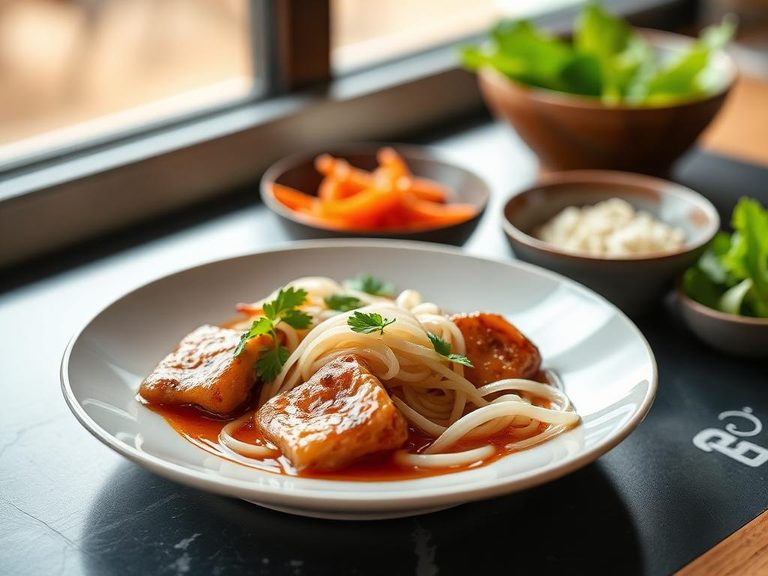 Kinome (Japanese fern shoots in salads or as a garnish)
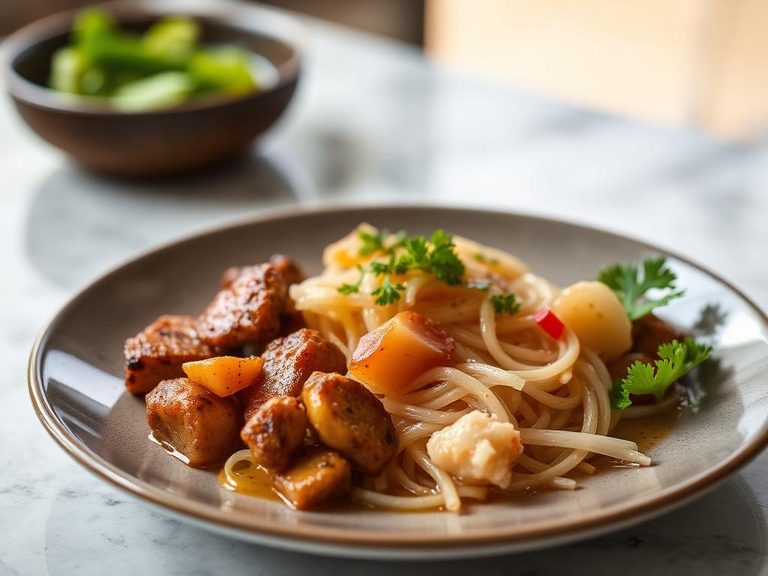 Gosari-namul (Korean seasoned fern bracken stir-fry)
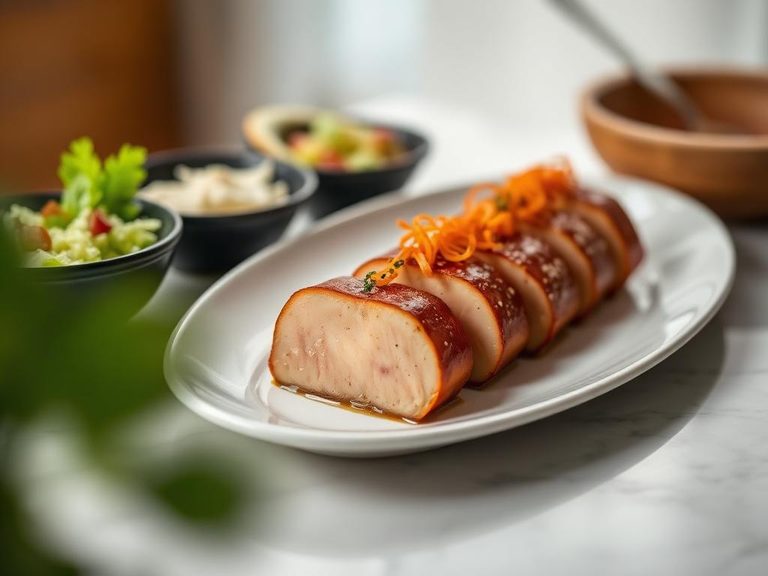 Pako (Filipino fern salad with vinegar and chili)
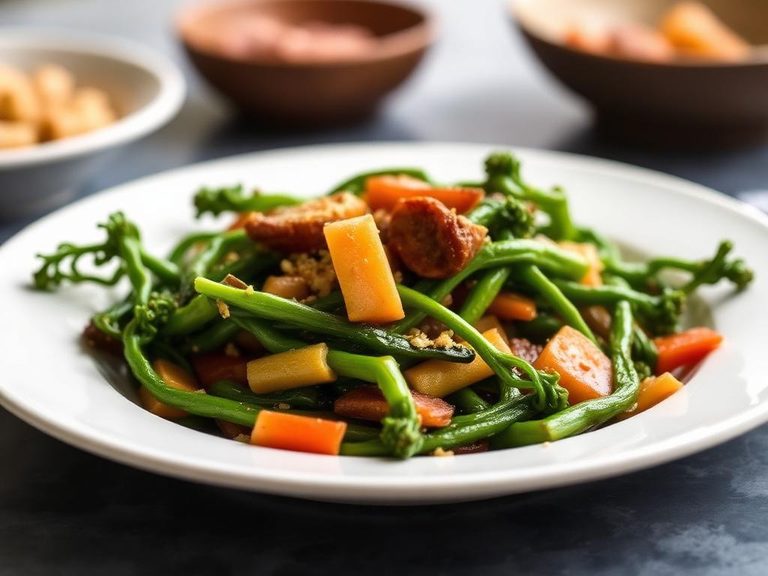 Fiddlehead fern stir-fry (common in Asian and North American cuisines)
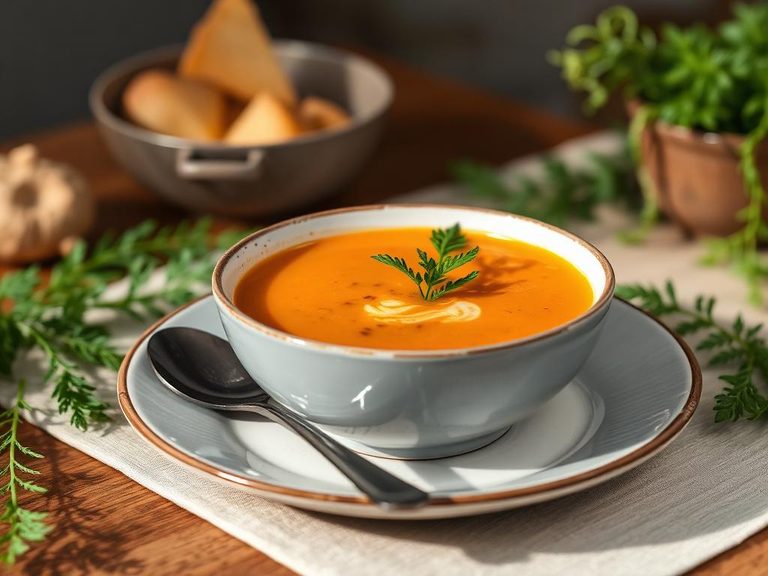 Fern shoot soup (traditional in Southeast Asian and Himalayan regions)
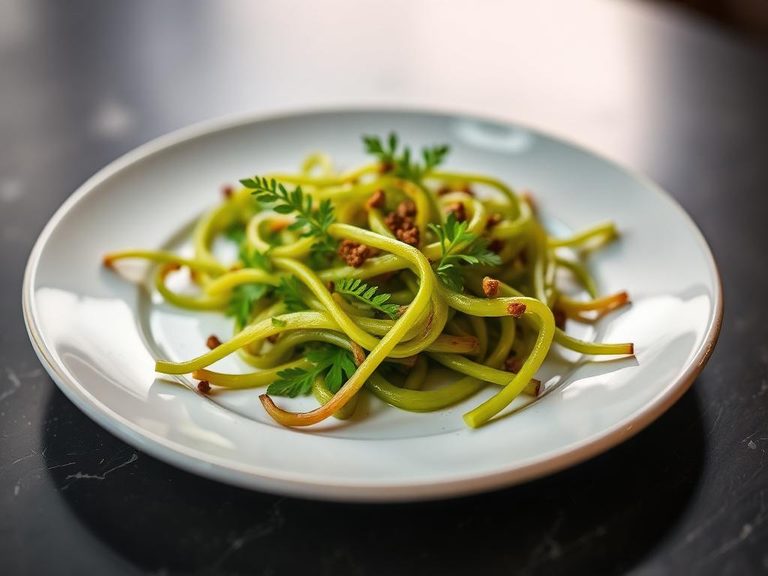 Pickled fern shoots (preserved in vinegar and spices)
🌍 Where it's eaten
💡 Did you know?
The edible part of the tree fern is typically the young, tightly coiled frond, often called a 'fiddlehead,' which unfurls as the plant grows and is harvested before it opens.
Full nutrition (USDA data · scales with serving)
| Water | 88.6 g |
| Energy | 40.0 kcal |
| Energy | 167 kj |
| Protein | 0.29 g |
| Total lipid (fat) | 0.07 g |
| Ash | 0.06 g |
| Carbohydrate, by difference | 11.0 g |
| Fiber, total dietary | 3.7 g |
| Calcium, Ca | 8.0 mg |
| Iron, Fe | 0.16 mg |
| Magnesium, Mg | 5.0 mg |
| Phosphorus, P | 4.0 mg |
| Potassium, K | 5.0 mg |
| Sodium, Na | 5.0 mg |
| Zinc, Zn | 0.31 mg |
| Copper, Cu | 0.20 mg |
| Manganese, Mn | 0.54 mg |
| Selenium, Se | 0.90 ug |
| Vitamin C, total ascorbic acid | 30.0 mg |
| Thiamin | 0.00 mg |
| Riboflavin | 0.30 mg |
| Niacin | 3.5 mg |
| Pantothenic acid | 0.06 mg |
| Vitamin B-6 | 0.18 mg |
| Folate, total | 15.0 ug |
| Folic acid | 0.00 ug |
| Folate, food | 15.0 ug |
| Folate, DFE | 15.0 ug |
| Vitamin B-12 | 0.00 ug |
| Vitamin A, RAE | 10.0 ug |
| Retinol | 0.00 ug |
| Vitamin A, IU | 200 iu |
| Vitamin D (D2 + D3), International Units | 0.00 iu |
| Vitamin D (D2 + D3) | 0.00 ug |
| Alcohol, ethyl | 0.00 g |
Fat & fatty acid profile (per 100g)
| Fatty acids, total saturated | 0.01 g |
| SFA 4:0 | 0.00 g |
| SFA 6:0 | 0.00 g |
| SFA 8:0 | 0.00 g |
| SFA 10:0 | 0.00 g |
| SFA 12:0 | 0.00 g |
| SFA 14:0 | 0.00 g |
| SFA 16:0 | 0.01 g |
| SFA 18:0 | 0.00 g |
| Fatty acids, total monounsaturated | 0.01 g |
| MUFA 16:1 | 0.00 g |
| MUFA 18:1 | 0.01 g |
| MUFA 20:1 | 0.00 g |
| MUFA 22:1 | 0.00 g |
| Fatty acids, total polyunsaturated | 0.03 g |
| PUFA 18:2 | 0.01 g |
| PUFA 18:3 | 0.02 g |
| PUFA 18:4 | 0.00 g |
| PUFA 20:4 | 0.00 g |
| PUFA 20:5 n-3 (EPA) | 0.00 g |
| PUFA 22:5 n-3 (DPA) | 0.00 g |
| PUFA 22:6 n-3 (DHA) | 0.00 g |
| Fatty acids, total trans | 0.00 g |
| Cholesterol | 0.00 mg |
FAQ
What does cooked tree fern taste like?
It has a mild, earthy, and slightly nutty flavor, often compared to asparagus or green beans, with a tender yet slightly crunchy texture.
Is tree fern safe to eat?
Yes, when properly identified and cooked. Ensure it is from a known edible species, cooked thoroughly to reduce oxalates, and sourced from clean environments.
How is tree fern typically prepared?
It is often boiled, steamed, or stir-fried, and can be used in salads, soups, or as a side dish. Cooking helps soften the texture and reduce any potential bitterness.
What are the nutritional benefits of tree fern?
It is low in calories and fat, high in fiber, and provides carbohydrates, along with minerals like iron and potassium, making it a nutritious addition to a balanced diet.
Nutrient density (calculated · NRF9.3)
Nutrient Rich Foods index: beneficial nutrients (protein, fiber, vitamins, minerals) minus saturated fat, added sugar & sodium, per 100 kcal.
NRF9.3 index — Fulgoni, Keast & Drewnowski, 2009. Computed from USDA nutrients.
Weight-loss friendliness (composite index)
Energy density 0.40 kcal/g · 3% calories from protein · 3.7 g fiber · 0.0 g sugar per 100 g.
Composite of energy density (Rolls et al., 1999), protein & fiber satiety, minus sugar. A calculated heuristic — ranks satiety-per-calorie, not a clinical measure.
Dietary load (calculated from USDA values)
Potential renal acid load. Positive = acid-forming, negative = alkaline-forming.
Sodium-to-potassium ratio: 1.00 (lower is better — aim for ≤ 1)
Sodium:potassium per WHO potassium guidance. Computed from USDA nutrients.