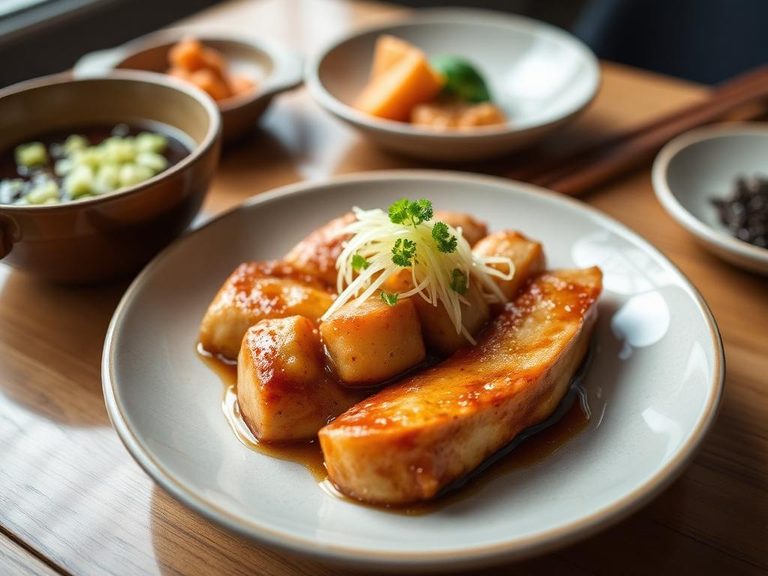
Kinome
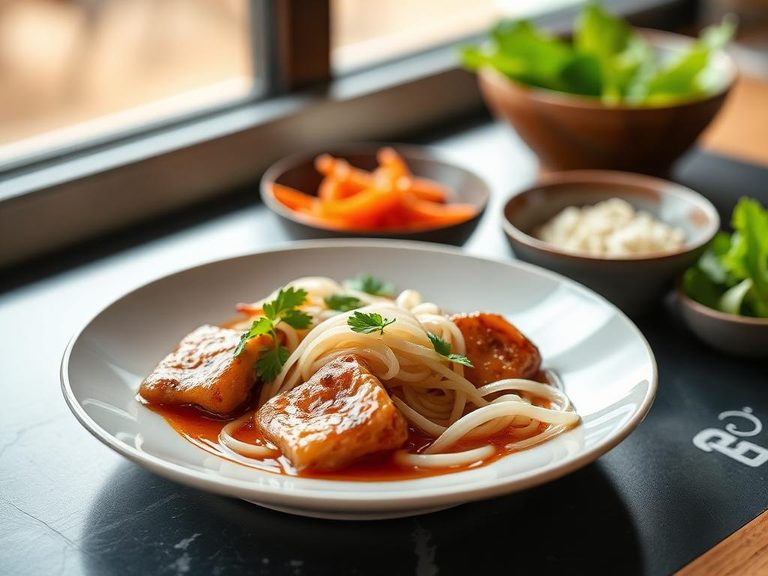
Kinome is a traditional Japanese garnish made from the young, tender leaves of the sansho pepper plant (Zanthoxylum piperitum). These aromatic leaves are typically used in small quantities to add a bright, citrusy, and slightly numbing flavor to dishes like sashimi, grilled fish, and clear soups. They are a seasonal delicacy, most abundant in spring.
🍽️ Nutrition at a glance
Kinome is extremely low in calories, carbohydrates, and fat, contributing negligible macronutrients to a dish. Its primary nutritional value comes from providing small amounts of vitamins A and C, along with unique aromatic compounds that stimulate the appetite.
Nutrition breakdown
| Calories | 1 kcal |
| Protein | 0.1 g |
| Carbs | 0.2 g |
| Fat | 0 g |
| Fiber | 0.1 g |
| Sugar | 0.05 g |
| Vitamin A | 5 µg RAE |
| Vitamin C | 0.5 mg |
| Potassium | 8 mg |
| Iron | 0.03 mg |
| Calcium | 2 mg |
| Magnesium | 1 mg |
Per 1 gram (a typical garnish sprinkle) · estimated, varies by recipe
💡 What's interesting
Culturally, kinome is prized for its 'ma' (間) – the Japanese concept of negative space or pause – as its potent flavor is used sparingly to elevate a dish without overwhelming it. Nutritionally, it contains hydroxy-alpha-sanshool, the compound responsible for its characteristic tingling, numbing sensation on the tongue.