

Squash, pie pumpkin, peeled, seeded, raw
Whole food · Vegetables and Vegetable Products
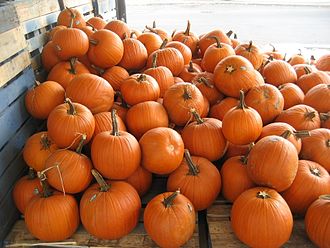
Photo: Wikipedia
Pie pumpkin is a small, dense-fleshed variety of winter squash prized for its smooth, velvety texture and sweet, earthy flavor when cooked. Unlike carving pumpkins, it has a thicker, less watery flesh that holds its shape well. It's a nutritional powerhouse, offering significant fiber and beta-carotene with virtually no calories or fat in its raw state.
Calorie split: 100% protein · 0% carbs · 0% fat
↓ Full nutrition💚 Why it's loved
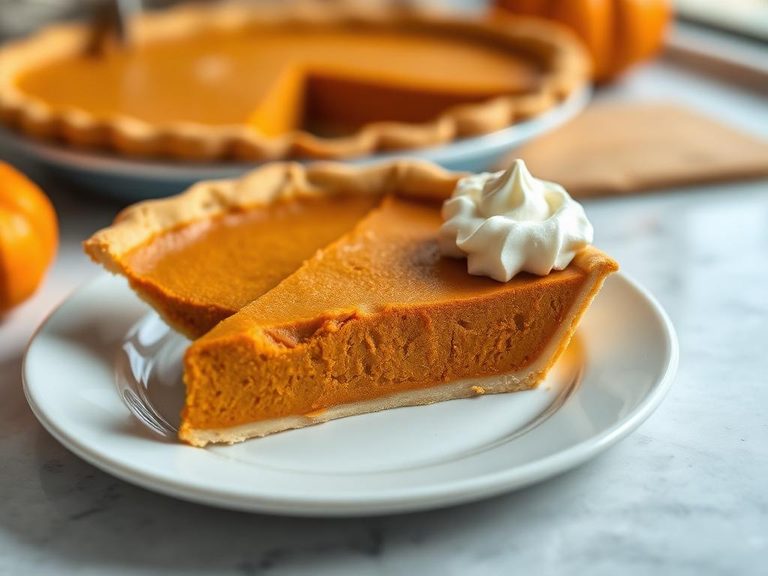
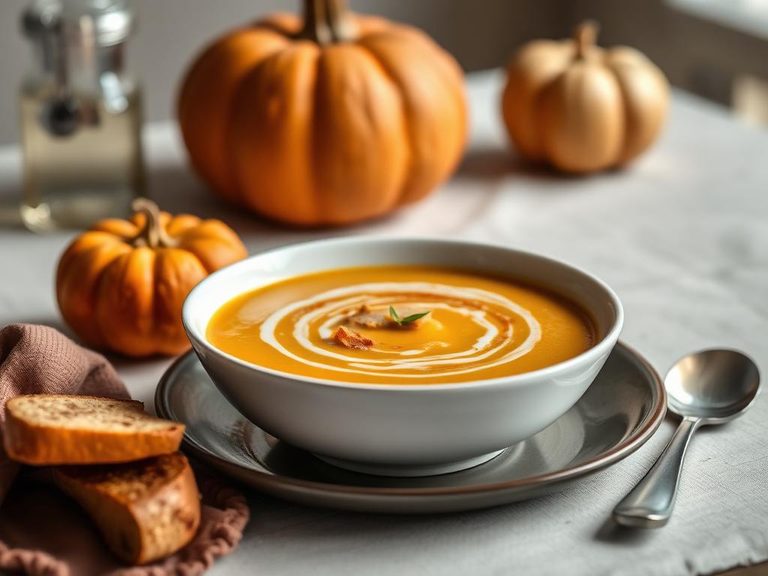
People love pie pumpkin for its rich, naturally sweet flavor that intensifies with roasting or baking, making it a cornerstone of autumnal comfort food. Its smooth, creamy texture when pureed is perfect for pies, soups, and custards, embodying the cozy essence of fall harvest cuisine.
⚠️ Watch-outs & how to enjoy it better
Raw pie pumpkin is bland and fibrous, requiring cooking to develop its flavor and digestibility. Some may find its dense flesh less versatile than other squashes for quick meals. To counteract, always roast, steam, or boil it; pairing the cooked puree with warm spices like cinnamon or nutmeg and a small amount of fat (like butter or cream) enhances flavor and nutrient absorption of fat-soluble vitamins.
Key benefits
- Excellent source of dietary fiber for digestive health.
- Rich in beta-carotene, a precursor to vitamin A, supporting vision and immunity.
- Very low in calories and fat, making it ideal for weight management.
- Contains antioxidants like lutein and zeaxanthin.
- Provides potassium, which helps regulate blood pressure.
🍽️ Popular dishes
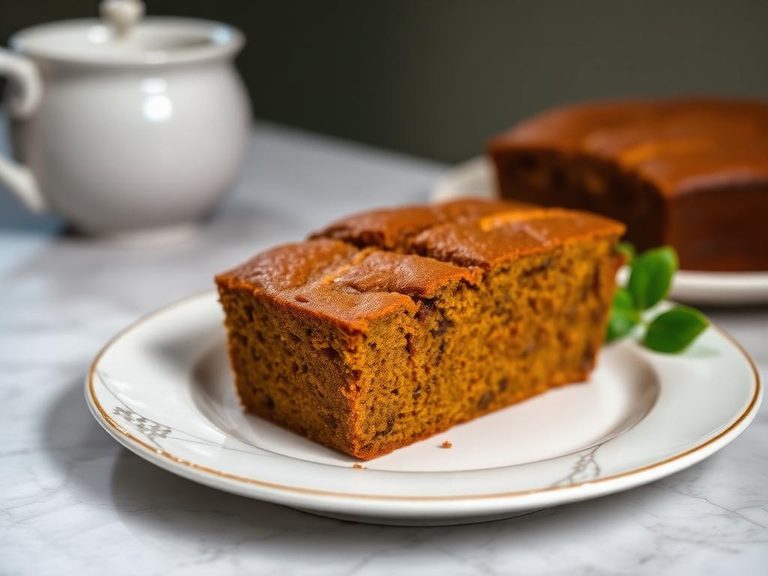
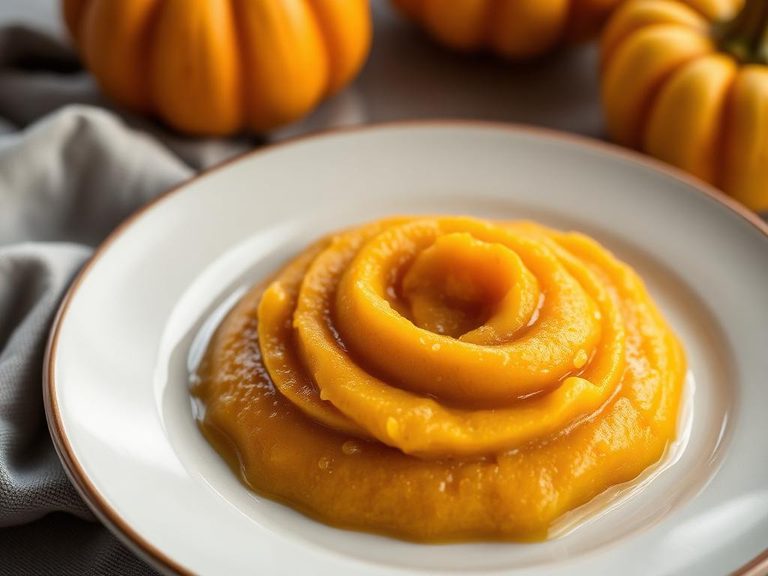
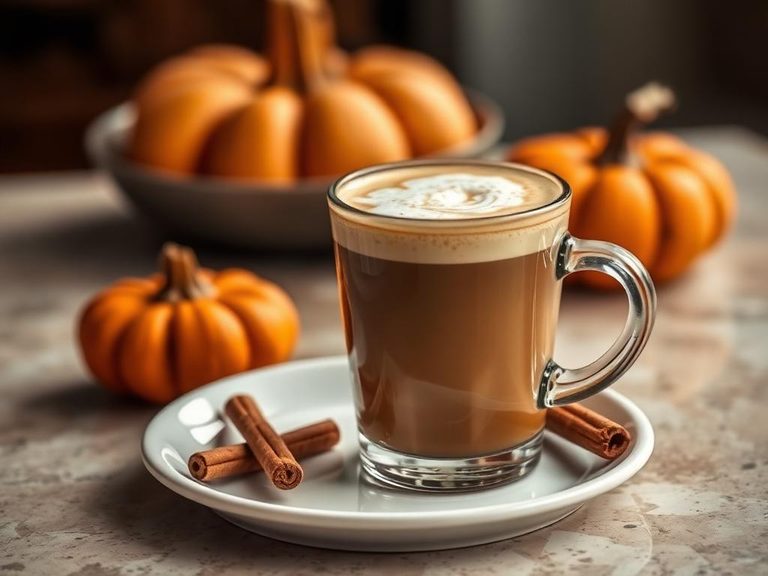
🌍 Where it's eaten
💡 Did you know?
The pie pumpkin (often a variety like 'Sugar Pie' or 'New England Pie') is specifically bred to have a sweeter, denser flesh than the large, watery pumpkins used for carving jack-o'-lanterns.
Full nutrition (USDA data · scales with serving)
| Water | 90.6 g |
| Nitrogen | 0.14 g |
| Protein | 0.85 g |
| Ash | 0.98 g |
| Fiber, total dietary | 2.3 g |
| Sugars, Total | 4.1 g |
| Sucrose | 2.0 g |
| Glucose | 1.1 g |
| Fructose | 0.98 g |
| Lactose | 0.03 g |
| Maltose | 0.03 g |
| Calcium, Ca | 16.4 mg |
| Iron, Fe | 0.06 mg |
| Magnesium, Mg | 12.8 mg |
| Phosphorus, P | 22.3 mg |
| Potassium, K | 472 mg |
| Sodium, Na | 0.31 mg |
| Zinc, Zn | 0.14 mg |
| Copper, Cu | 0.06 mg |
| Manganese, Mn | 0.05 mg |
| Vitamin C, total ascorbic acid | 10.1 mg |
| Folate, total | 31.0 ug |
Fat & fatty acid profile (per 100g)
Estimated from Squash, winter, butternut, cooked, baked, with salt — USDA does not publish this profile for Squash.
| Fatty acids, total saturated | 0.02 g |
| SFA 12:0 | 0.00 g |
| SFA 14:0 | 0.00 g |
| SFA 16:0 | 0.02 g |
| SFA 18:0 | 0.00 g |
| Fatty acids, total monounsaturated | 0.01 g |
| MUFA 16:1 | 0.00 g |
| MUFA 18:1 | 0.01 g |
| Fatty acids, total polyunsaturated | 0.04 g |
| PUFA 18:2 | 0.01 g |
| PUFA 18:3 | 0.02 g |
| Fatty acids, total trans | 0.00 g |
| Cholesterol | 0.00 mg |
Amino acid profile (per 100g)
Estimated from Squash, winter, butternut, cooked, baked, with salt — USDA does not publish this profile for Squash.
| Tryptophan | 0.01 g |
| Threonine | 0.03 g |
| Isoleucine | 0.04 g |
| Leucine | 0.05 g |
| Lysine | 0.03 g |
| Methionine | 0.01 g |
| Cystine | 0.01 g |
| Phenylalanine | 0.04 g |
| Tyrosine | 0.03 g |
| Valine | 0.04 g |
| Arginine | 0.05 g |
| Histidine | 0.02 g |
| Alanine | 0.04 g |
| Aspartic acid | 0.10 g |
| Glutamic acid | 0.16 g |
| Glycine | 0.03 g |
| Proline | 0.03 g |
| Serine | 0.04 g |
FAQ
What's the difference between pie pumpkin and carving pumpkin?
Pie pumpkins (like Sugar Pie) are smaller, with sweeter, denser, less watery flesh ideal for cooking. Carving pumpkins (like Connecticut Field) are larger, with stringy, watery flesh better suited for decoration.
How do I make pumpkin puree from scratch?
Cut a pie pumpkin in half, scoop out seeds, and roast cut-side down at 375°F (190°C) for 45-60 minutes until tender. Scoop the flesh and blend until smooth. Use within 3 days or freeze for up to 3 months.
Is raw pumpkin safe to eat?
While not toxic, raw pie pumpkin is tough, fibrous, and bland. Cooking breaks down its cell walls, making it more digestible and flavorful. It's best cooked before consumption.
Dietary load (calculated from USDA values)
Potential renal acid load. Positive = acid-forming, negative = alkaline-forming.
Sodium-to-potassium ratio: 0.00 (lower is better — aim for ≤ 1)
Sodium:potassium per WHO potassium guidance. Computed from USDA nutrients.