

Soft drink, fruit flavored, caffeine containing, diet
Common food

Photo: Wikipedia
This is a zero-calorie, artificially sweetened carbonated beverage designed to mimic the taste of fruit without the sugar or caffeine. Its flavor profile is typically bright and tangy, with a crisp, effervescent texture that cleanses the palate. Nutritionally, it provides a sweet taste experience with no calories, carbohydrates, or sugars, making it a popular choice for those managing calorie intake.
Calorie split: 100% protein · 0% carbs · 0% fat
↓ Full nutrition💚 Why it's loved
People love it for delivering a burst of fruity flavor and refreshing fizz without the caloric guilt of sugary sodas. It's a versatile staple at parties, meals, and as a standalone treat, deeply embedded in modern convenience culture.
⚠️ Watch-outs & how to enjoy it better
Some individuals may experience digestive discomfort like bloating from carbonation or artificial sweeteners like aspartame. Those sensitive to caffeine should monitor intake, especially later in the day. To mitigate, consider consuming in moderation, choosing caffeine-free versions if sensitive, and pairing with water to balance hydration.
Key benefits
- Zero calories and sugar, aiding in calorie control.
- Provides a sweet taste without impacting blood sugar directly.
- Offers hydration with flavor, potentially increasing water intake.
- Caffeine content can provide a mild alertness boost.
- Widely available and convenient for on-the-go consumption.
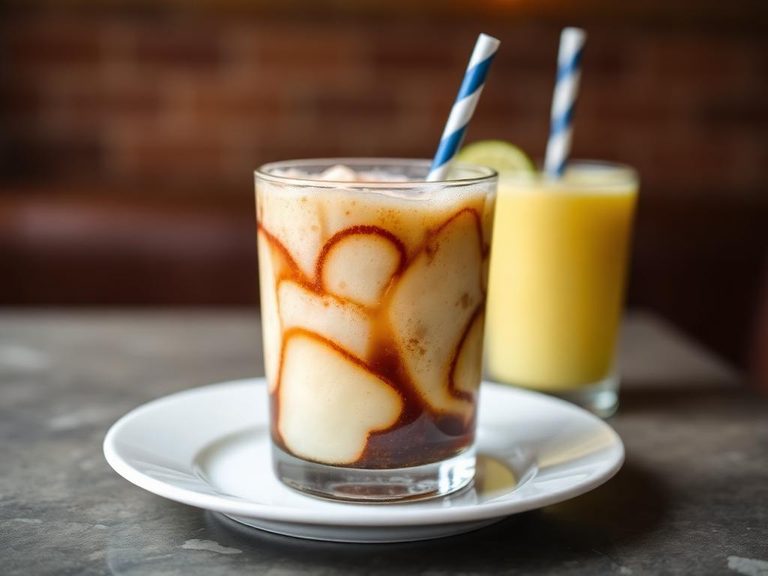
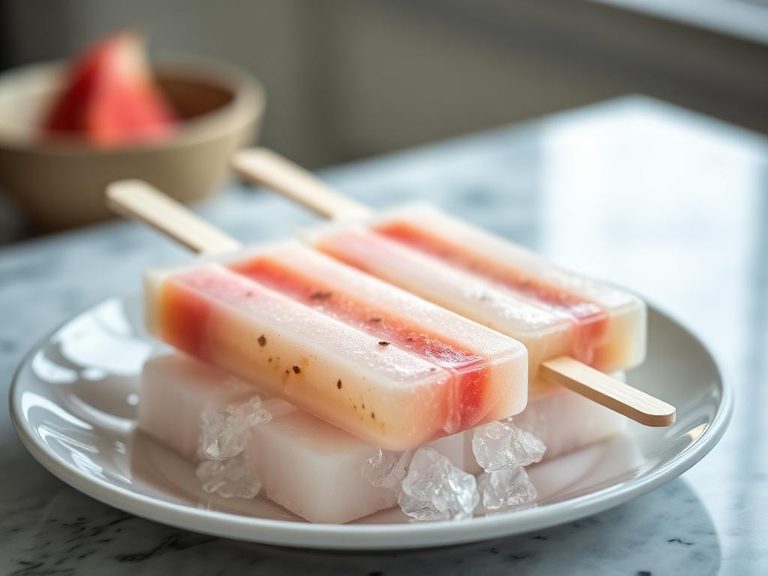
🍽️ Popular dishes

🌍 Where it's eaten
💡 Did you know?
The first diet soda, Diet Rite, was launched in 1958 by Royal Crown Cola, but it took the introduction of aspartame in 1983 (in Diet Coke) to truly launch the modern diet soda market.
Full nutrition (USDA data · scales with serving)
| Water | 99.8 g |
| Energy | 0.00 kcal |
| Protein | 0.10 g |
| Total lipid (fat) | 0.00 g |
| Carbohydrate, by difference | 0.00 g |
| Fiber, total dietary | 0.00 g |
| Total Sugars | 0.00 g |
| Calcium, Ca | 4.0 mg |
| Iron, Fe | 0.04 mg |
| Magnesium, Mg | 1.0 mg |
| Phosphorus, P | 0.00 mg |
| Potassium, K | 2.0 mg |
| Sodium, Na | 6.0 mg |
| Zinc, Zn | 0.00 mg |
| Copper, Cu | 0.03 mg |
| Selenium, Se | 0.00 ug |
| Vitamin C, total ascorbic acid | 0.00 mg |
| Thiamin | 0.00 mg |
| Riboflavin | 0.00 mg |
| Niacin | 0.00 mg |
| Vitamin B-6 | 0.00 mg |
| Folate, total | 0.00 ug |
| Folic acid | 0.00 ug |
| Folate, food | 0.00 ug |
| Folate, DFE | 0.00 ug |
| Choline, total | 0.00 mg |
| Vitamin B-12 | 0.00 ug |
| Vitamin B-12, added | 0.00 ug |
| Vitamin A, RAE | 0.00 ug |
| Retinol | 0.00 ug |
| Carotene, beta | 0.00 ug |
| Carotene, alpha | 0.00 ug |
| Cryptoxanthin, beta | 0.00 ug |
| Lycopene | 0.00 ug |
| Lutein + zeaxanthin | 0.00 ug |
| Vitamin E (alpha-tocopherol) | 0.00 mg |
| Vitamin E, added | 0.00 mg |
| Vitamin D (D2 + D3) | 0.00 ug |
| Vitamin K (phylloquinone) | 0.00 ug |
| Alcohol, ethyl | 0.00 g |
| Caffeine | 15.0 mg |
| Theobromine | 0.00 mg |
Fat & fatty acid profile (per 100g)
| Fatty acids, total saturated | 0.00 g |
| SFA 4:0 | 0.00 g |
| SFA 6:0 | 0.00 g |
| SFA 8:0 | 0.00 g |
| SFA 10:0 | 0.00 g |
| SFA 12:0 | 0.00 g |
| SFA 14:0 | 0.00 g |
| SFA 16:0 | 0.00 g |
| SFA 18:0 | 0.00 g |
| Fatty acids, total monounsaturated | 0.00 g |
| MUFA 16:1 | 0.00 g |
| MUFA 18:1 | 0.00 g |
| MUFA 20:1 | 0.00 g |
| MUFA 22:1 | 0.00 g |
| Fatty acids, total polyunsaturated | 0.00 g |
| PUFA 18:2 | 0.00 g |
| PUFA 18:3 | 0.00 g |
| PUFA 18:4 | 0.00 g |
| PUFA 20:4 | 0.00 g |
| PUFA 20:5 n-3 (EPA) | 0.00 g |
| PUFA 22:5 n-3 (DPA) | 0.00 g |
| PUFA 22:6 n-3 (DHA) | 0.00 g |
| Cholesterol | 0.00 mg |
FAQ
Does diet soda really have zero calories?
Yes, by regulation in many countries, a beverage labeled 'diet' or 'zero calorie' must contain less than 5 calories per serving. The artificial sweeteners used (like aspartame, sucralose, or acesulfame potassium) are intensely sweet but used in such tiny amounts that their caloric contribution is negligible.
Is the caffeine in these drinks the same as in coffee?
The caffeine molecule is identical, but the source and concentration differ. Diet sodas typically contain about 30-40 mg of caffeine per 355ml can (from synthetic sources), while a cup of coffee has 80-100+ mg (from beans). The effect can feel different due to other compounds in coffee.
Can I use this as a cooking ingredient?
Absolutely! Its acidity and sweetness make it useful in marinades to tenderize meat, in glazes for a shiny finish, or as a leavening agent when combined with baking soda in some quick bread recipes. It adds flavor without adding sugar or fat.
Dietary load (calculated from USDA values)
Potential renal acid load. Positive = acid-forming, negative = alkaline-forming.
Sodium-to-potassium ratio: 3.00 (lower is better — aim for ≤ 1)
Sodium:potassium per WHO potassium guidance. Computed from USDA nutrients.