

Snacks, rice cakes, brown rice, corn
Whole food · Snacks

Photo: Wikipedia
A light, airy puffed cake made from whole-grain brown rice and corn, offering a satisfyingly crisp snap with a subtle, toasty sweetness. Its nutrition profile is remarkably lean, packing over 80g of carbohydrates per 100g for quick energy, with minimal fat and a modest protein boost from the brown rice.
Calorie split: 9% protein · 84% carbs · 7% fat
↓ Full nutrition💚 Why it's loved
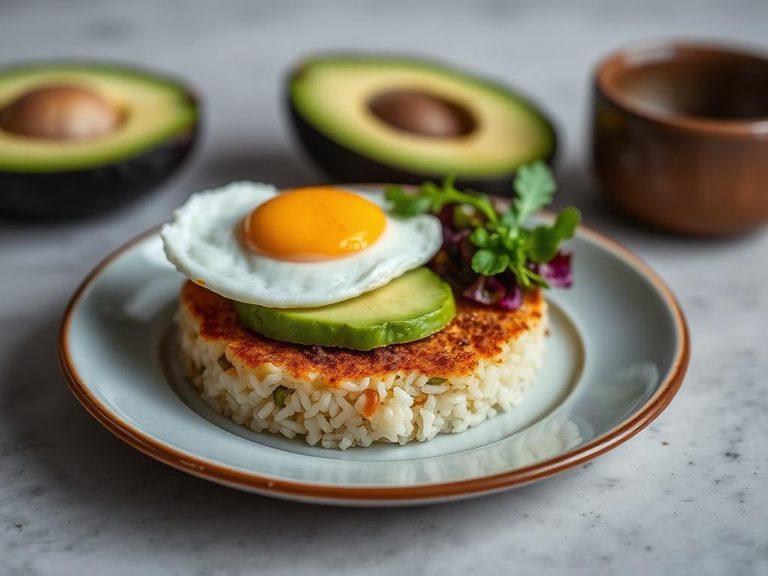
People adore it for its pure, crunchy simplicity and the nostalgic, toasty flavor of puffed grains. It’s a versatile blank canvas, perfect for topping with everything from avocado to smoked salmon, or simply enjoying by the handful.
⚠️ Watch-outs & how to enjoy it better
The high carbohydrate content and low protein/fat can lead to rapid blood sugar spikes if eaten alone. To counteract this, pair it with a protein (like nut butter or cottage cheese) or a healthy fat (like avocado) to slow digestion and increase satiety.
Key benefits
- Low in fat (3.2g/100g) and contains no added sugar.
- Provides quick-release energy from complex carbohydrates.
- Contains 2.9g of dietary fiber per 100g.
- A gluten-free alternative to wheat-based snacks.
- Light and low-calorie density (385 kcal/100g) for volume.
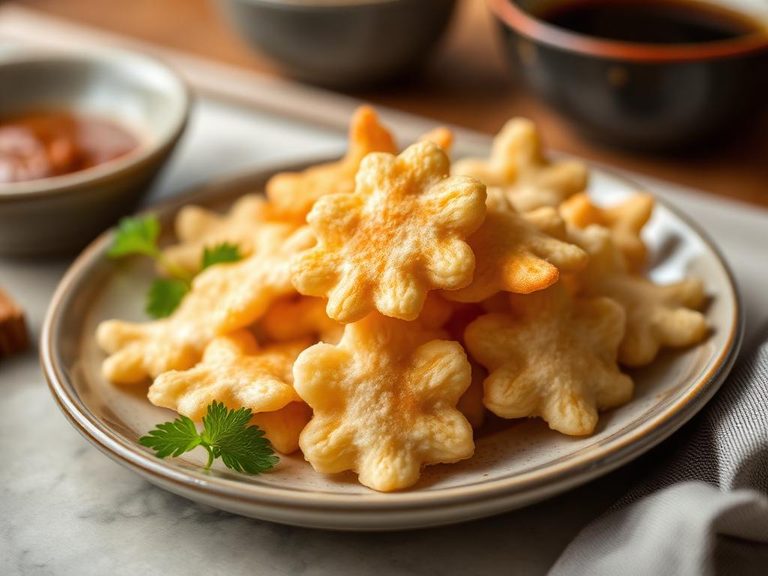
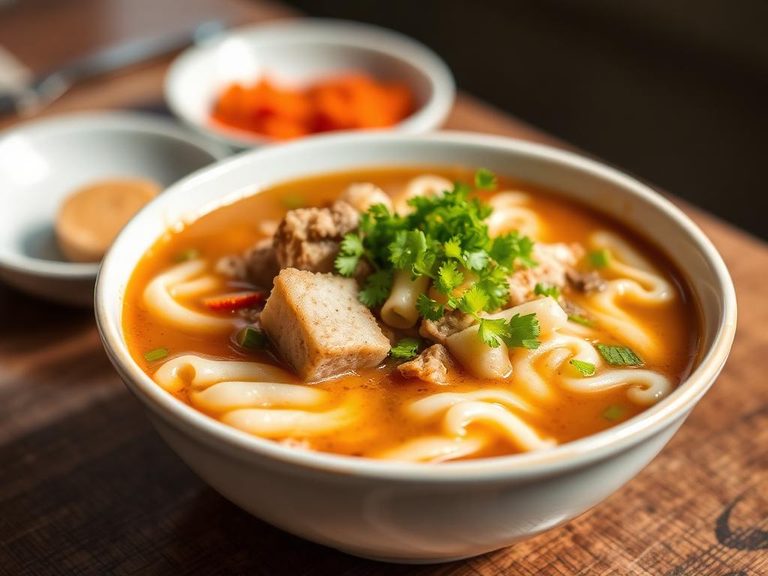
🍽️ Popular dishes
🌍 Where it's eaten
💡 Did you know?
The process of making puffed rice cakes involves sealing rice grains in a mold and then heating them under pressure until they explode into the familiar disc shape, a technique patented in the United States in 1939.
Full nutrition (USDA data · scales with serving)
| Water | 5.9 g |
| Energy | 385 kcal |
| Energy | 1611 kj |
| Protein | 8.4 g |
| Total lipid (fat) | 3.2 g |
| Ash | 1.4 g |
| Carbohydrate, by difference | 81.2 g |
| Fiber, total dietary | 2.9 g |
| Calcium, Ca | 9.0 mg |
| Iron, Fe | 1.2 mg |
| Magnesium, Mg | 114 mg |
| Phosphorus, P | 320 mg |
| Potassium, K | 275 mg |
| Sodium, Na | 167 mg |
| Zinc, Zn | 2.2 mg |
| Copper, Cu | 0.42 mg |
| Manganese, Mn | 5.1 mg |
| Vitamin C, total ascorbic acid | 0.00 mg |
| Thiamin | 0.08 mg |
| Riboflavin | 0.10 mg |
| Niacin | 6.4 mg |
| Pantothenic acid | 0.93 mg |
| Vitamin B-6 | 0.14 mg |
| Folate, total | 19.0 ug |
| Folic acid | 0.00 ug |
| Folate, food | 19.0 ug |
| Folate, DFE | 19.0 ug |
| Vitamin B-12 | 0.00 ug |
| Vitamin A, RAE | 0.00 ug |
| Retinol | 0.00 ug |
| Vitamin A, IU | 0.00 iu |
Fat & fatty acid profile (per 100g)
| Fatty acids, total saturated | 0.63 g |
| SFA 12:0 | 0.00 g |
| SFA 14:0 | 0.01 g |
| SFA 16:0 | 0.54 g |
| SFA 18:0 | 0.06 g |
| Fatty acids, total monounsaturated | 1.1 g |
| MUFA 16:1 | 0.01 g |
| MUFA 18:1 | 1.1 g |
| Fatty acids, total polyunsaturated | 1.1 g |
| PUFA 18:2 | 1.1 g |
| PUFA 18:3 | 0.05 g |
| Cholesterol | 0.00 mg |
Amino acid profile (per 100g)
| Tryptophan | 0.09 g |
| Threonine | 0.31 g |
| Isoleucine | 0.34 g |
| Leucine | 0.78 g |
| Lysine | 0.29 g |
| Methionine | 0.18 g |
| Cystine | 0.11 g |
| Phenylalanine | 0.42 g |
| Tyrosine | 0.32 g |
| Valine | 0.47 g |
| Arginine | 0.57 g |
| Histidine | 0.22 g |
| Alanine | 0.52 g |
| Aspartic acid | 0.72 g |
| Glutamic acid | 1.7 g |
| Glycine | 0.39 g |
| Proline | 0.48 g |
| Serine | 0.42 g |
FAQ
Are brown rice cakes healthier than white rice cakes?
Generally, yes. Brown rice cakes retain the bran and germ of the grain, offering slightly more fiber, vitamins, and minerals compared to refined white rice cakes, though the difference per single cake is small.
Why do rice cakes sometimes have a metallic taste?
This can occur due to oxidation of the oils in the whole grain or from contact with metal packaging or processing equipment. Storing them in airtight containers can help prevent this.
Can rice cakes be part of a weight management plan?
Yes, due to their low calorie density, they can be a satisfying crunchy snack. However, pairing them with protein or fat is key to avoiding quick hunger returns from their high-glycemic carbohydrates.
Nutrient density (calculated · NRF9.3)
Nutrient Rich Foods index: beneficial nutrients (protein, fiber, vitamins, minerals) minus saturated fat, added sugar & sodium, per 100 kcal.
NRF9.3 index — Fulgoni, Keast & Drewnowski, 2009. Computed from USDA nutrients.
Weight-loss friendliness (composite index)
Energy density 3.85 kcal/g · 9% calories from protein · 2.9 g fiber · 0.0 g sugar per 100 g.
Composite of energy density (Rolls et al., 1999), protein & fiber satiety, minus sugar. A calculated heuristic — ranks satiety-per-calorie, not a clinical measure.
Dietary load (calculated from USDA values)
Potential renal acid load. Positive = acid-forming, negative = alkaline-forming.
Sodium-to-potassium ratio: 0.61 (lower is better — aim for ≤ 1)
Sodium:potassium per WHO potassium guidance. Computed from USDA nutrients.