

Rice, white, steamed, Chinese restaurant
Whole food · Cereal Grains and Pasta
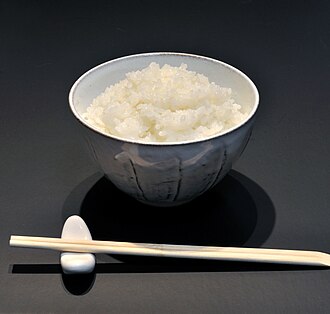
Photo: Wikipedia
Steamed white rice is the fluffy, neutral-flavored foundation of countless meals, with each grain distinct yet slightly sticky. Nutritionally, it's a pure, high-energy carbohydrate source, providing quick fuel with minimal fat or protein. Its mild taste and soft texture make it the perfect canvas for bolder flavors.
Calorie split: 8% protein · 90% carbs · 2% fat
↓ Full nutrition💚 Why it's loved
People adore it for its comforting, neutral base that absorbs sauces and complements any protein or vegetable. It's deeply woven into cultural identity and daily ritual across Asia and beyond.
⚠️ Watch-outs & how to enjoy it better
Its high glycemic index can cause rapid blood-sugar spikes, which is a concern for diabetics or those managing insulin resistance. Counteract this by cooling it after cooking to increase resistant starch, or pairing it with non-starchy vegetables, protein, and healthy fats to slow digestion.
Key benefits
- Excellent source of quick-release energy
- Naturally gluten-free and low-allergen
- Easy to digest for most people
- Provides essential manganese and selenium
- A stable, non-irritating staple for sensitive digestive systems
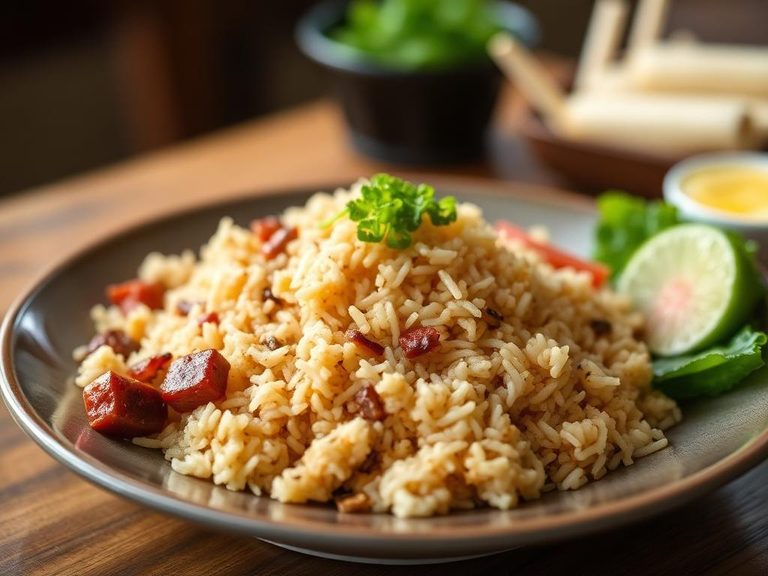
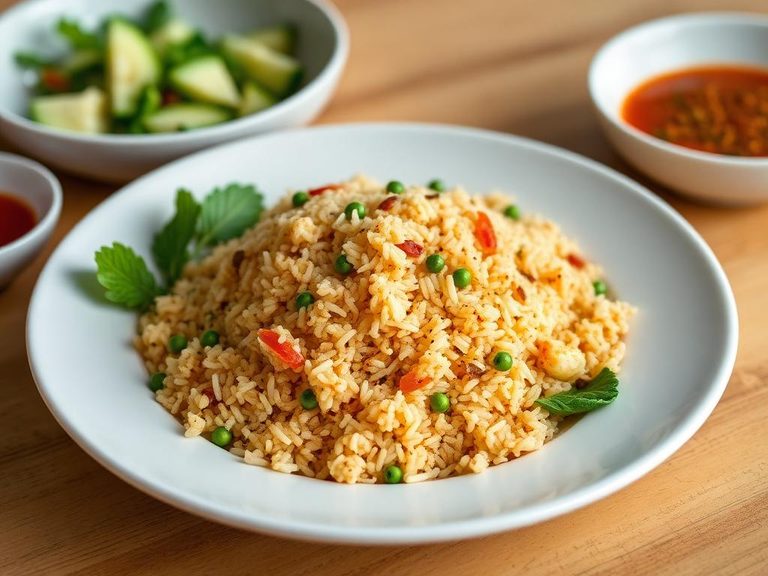
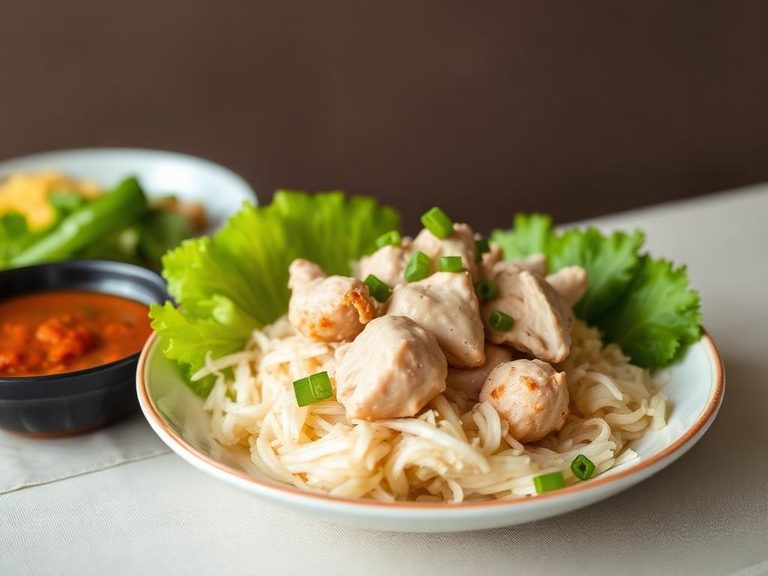
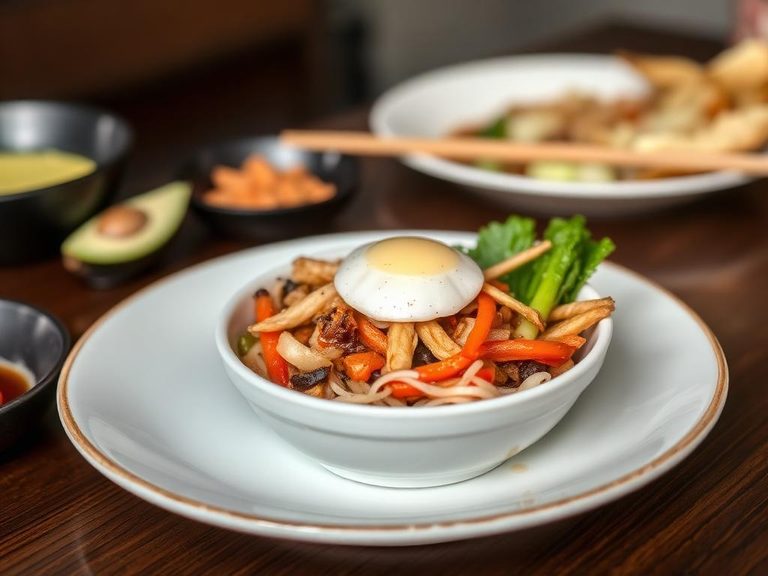
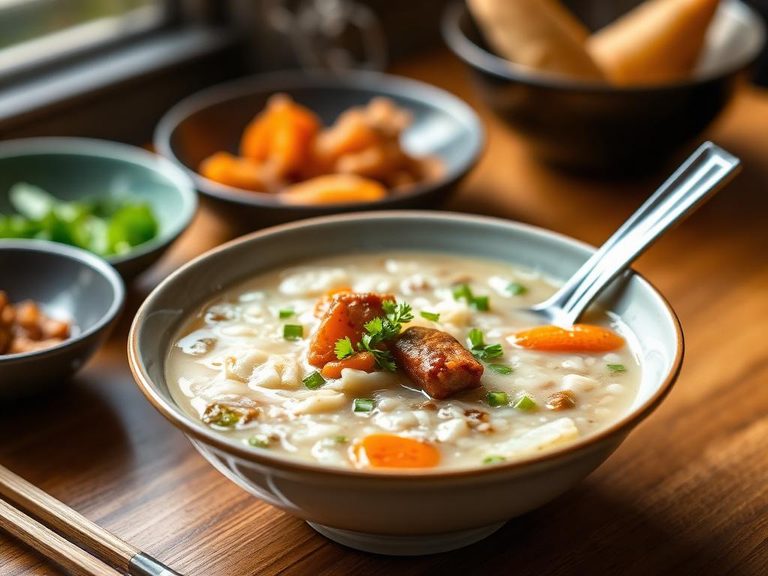
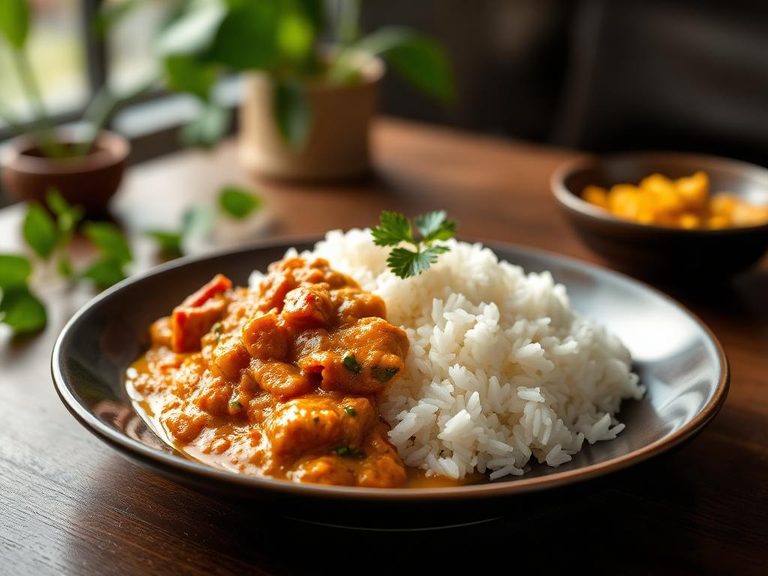
🍽️ Popular dishes
🌍 Where it's eaten
💡 Did you know?
Cooling cooked rice and then reheating it can increase its resistant starch content by up to 50%, which acts more like fiber and has a lower impact on blood sugar.
Full nutrition (USDA data · scales with serving)
| Water | 62.5 g |
| Energy | 151 kcal |
| Energy | 631 kj |
| Protein | 3.2 g |
| Total lipid (fat) | 0.27 g |
| Ash | 0.14 g |
| Carbohydrate, by difference | 33.9 g |
| Fiber, total dietary | 0.90 g |
| Starch | 32.0 g |
| Calcium, Ca | 5.0 mg |
| Iron, Fe | 0.39 mg |
| Magnesium, Mg | 5.0 mg |
| Phosphorus, P | 33.0 mg |
| Potassium, K | 20.0 mg |
| Sodium, Na | 5.0 mg |
| Zinc, Zn | 0.68 mg |
| Copper, Cu | 0.05 mg |
| Manganese, Mn | 0.45 mg |
| Thiamin | 0.02 mg |
| Riboflavin | 0.01 mg |
| Niacin | 0.57 mg |
| Vitamin B-6 | 0.02 mg |
| Folate, total | 5.0 ug |
| Folic acid | 0.00 ug |
| Folate, food | 5.0 ug |
| Folate, DFE | 5.0 ug |
Fat & fatty acid profile (per 100g)
Estimated from Rice, brown, medium-grain, cooked (Includes foods for USDA's Food Distribution Program) — USDA does not publish this profile for Rice.
| Fatty acids, total saturated | 0.17 g |
| SFA 12:0 | 0.00 g |
| SFA 14:0 | 0.00 g |
| SFA 16:0 | 0.14 g |
| SFA 18:0 | 0.01 g |
| Fatty acids, total monounsaturated | 0.30 g |
| MUFA 16:1 | 0.00 g |
| MUFA 18:1 | 0.30 g |
| Fatty acids, total polyunsaturated | 0.30 g |
| PUFA 18:2 | 0.28 g |
| PUFA 18:3 | 0.01 g |
| Cholesterol | 0.00 mg |
Amino acid profile (per 100g)
Estimated from Rice, brown, medium-grain, cooked (Includes foods for USDA's Food Distribution Program) — USDA does not publish this profile for Rice.
| Tryptophan | 0.03 g |
| Threonine | 0.09 g |
| Isoleucine | 0.10 g |
| Leucine | 0.19 g |
| Lysine | 0.09 g |
| Methionine | 0.05 g |
| Cystine | 0.03 g |
| Phenylalanine | 0.12 g |
| Tyrosine | 0.09 g |
| Valine | 0.14 g |
| Arginine | 0.17 g |
| Histidine | 0.06 g |
| Alanine | 0.14 g |
| Aspartic acid | 0.22 g |
| Glutamic acid | 0.47 g |
| Glycine | 0.11 g |
| Proline | 0.11 g |
| Serine | 0.12 g |
FAQ
What's the difference between white and brown rice nutritionally?
White rice is milled to remove the bran and germ, stripping most fiber, B vitamins, and minerals. Brown rice retains these, offering more fiber (1.8g vs 0.9g per 100g), magnesium, and a lower glycemic impact, but with a chewier texture and shorter shelf life.
Is steamed rice better than fried rice?
Steamed rice is lower in calories and fat. Fried rice adds oil and often sodium, increasing its energy density. However, fried rice can incorporate more vegetables and protein, making it a more balanced one-pot meal if prepared mindfully.
How should I store leftover cooked rice?
Cool it within one hour, refrigerate in an airtight container, and consume within 1-2 days. Reheat thoroughly until steaming hot. This prevents the growth of Bacillus cereus, a bacterium that can cause food poisoning from improperly stored rice.
Nutrient density (calculated · NRF9.3)
Nutrient Rich Foods index: beneficial nutrients (protein, fiber, vitamins, minerals) minus saturated fat, added sugar & sodium, per 100 kcal.
NRF9.3 index — Fulgoni, Keast & Drewnowski, 2009. Computed from USDA nutrients.
Weight-loss friendliness (composite index)
Energy density 1.51 kcal/g · 8% calories from protein · 0.9 g fiber · 0.0 g sugar per 100 g.
Composite of energy density (Rolls et al., 1999), protein & fiber satiety, minus sugar. A calculated heuristic — ranks satiety-per-calorie, not a clinical measure.
Dietary load (calculated from USDA values)
Potential renal acid load. Positive = acid-forming, negative = alkaline-forming.
Sodium-to-potassium ratio: 0.25 (lower is better — aim for ≤ 1)
Sodium:potassium per WHO potassium guidance. Computed from USDA nutrients.