

Prickly pears, raw
Whole food · Fruits and Fruit Juices
Prickly pears are the vibrant, jewel-toned fruit of the cactus plant, offering a sweet, subtly floral flavor reminiscent of a blend between watermelon and bubblegum. Their texture is uniquely granular, like a firm pear or kiwi, dotted with tiny, edible seeds. Nutritionally, they are a low-calorie, high-fiber choice that provides a notable amount of vitamin C and magnesium.
Calorie split: 6% protein · 84% carbs · 10% fat
↓ Full nutrition💚 Why it's loved
People love prickly pears for their striking, almost neon color and refreshing, sweet-tart taste that's perfect for cooling down. They are cherished in many cultures as a symbol of resilience and are enjoyed in everything from fresh fruit salads to vibrant aguas frescas and candies.
⚠️ Watch-outs & how to enjoy it better
The fruit's tiny, hard seeds can be a textural turn-off for some, and its high fiber content may cause digestive discomfort if eaten in large quantities. Those with a history of kidney stones should be cautious due to its oxalate content. To enjoy safely, consume in moderation, chew seeds thoroughly, or strain the juice, and ensure adequate water intake.
Key benefits
- Excellent source of dietary fiber for digestive health.
- Low in calories and naturally very low in sugar.
- Provides a good dose of antioxidants like betalains and vitamin C.
- Contains magnesium, which supports muscle and nerve function.
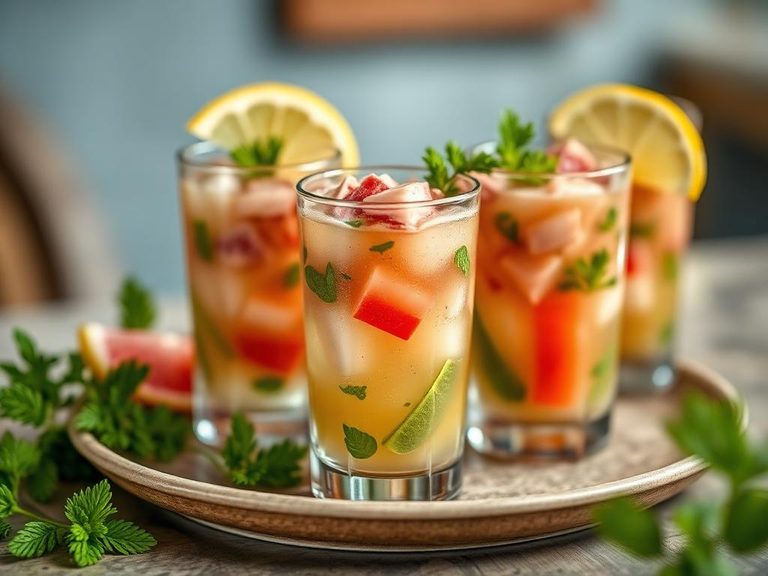
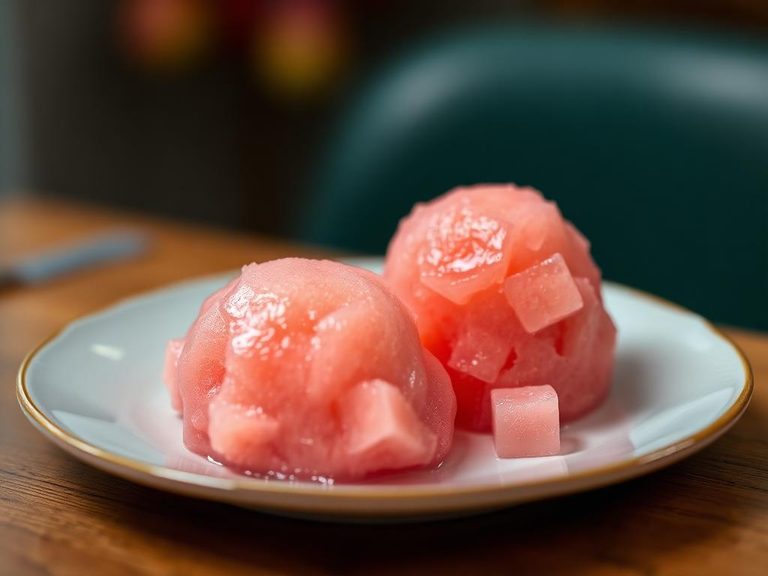
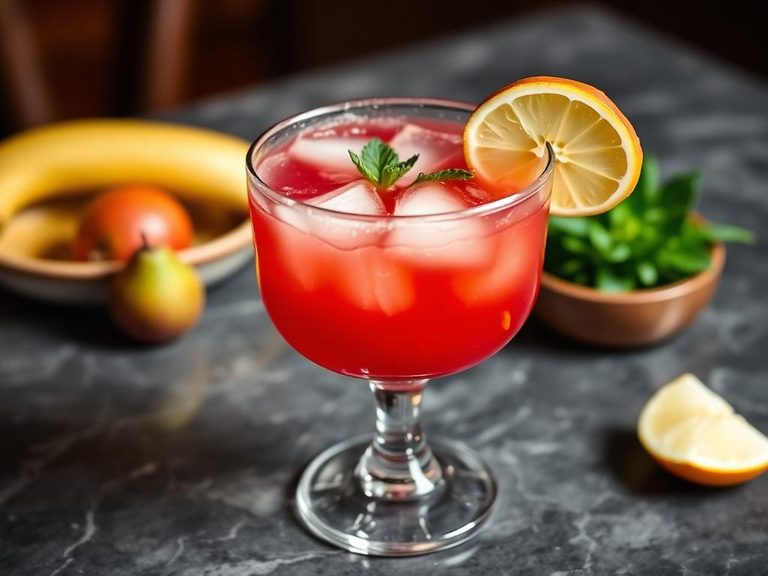
🍽️ Popular dishes
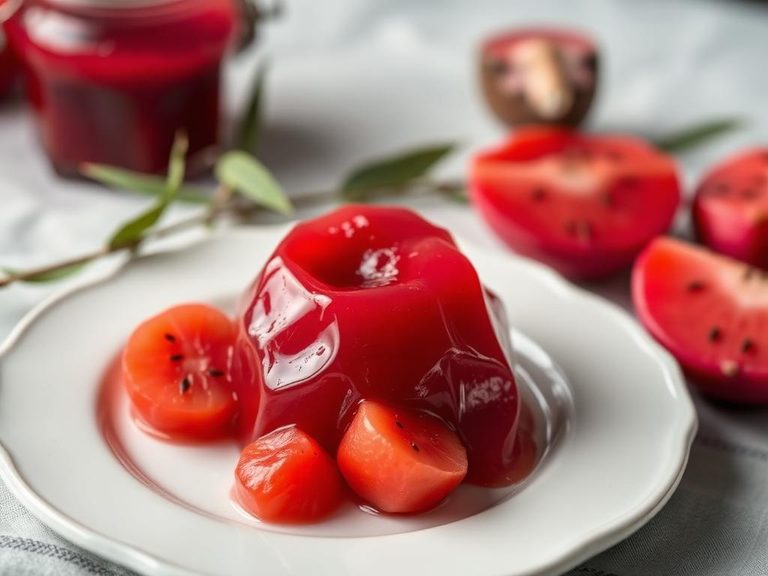
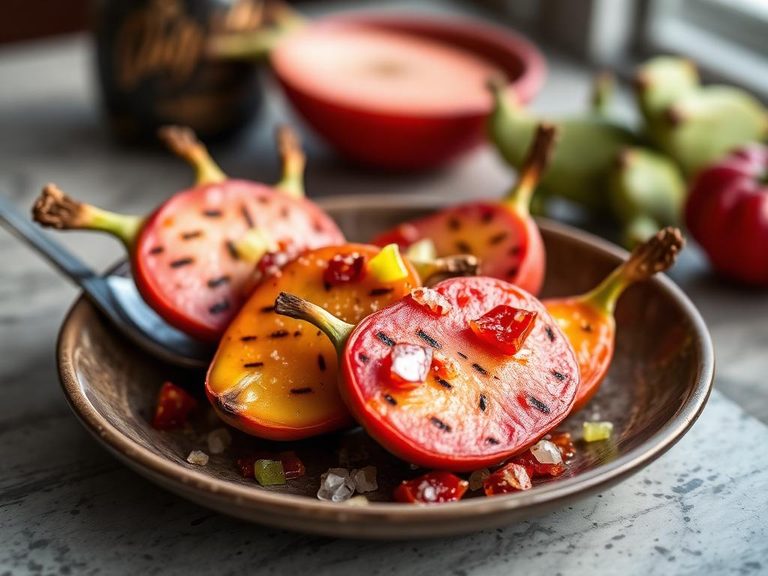
🌍 Where it's eaten
💡 Did you know?
The vibrant pink or red juice from prickly pears is a powerful natural dye and has been used for centuries to color foods, textiles, and even ancient manuscripts.
Full nutrition (USDA data · scales with serving)
| Water | 87.5 g |
| Energy | 41.0 kcal |
| Energy | 172 kj |
| Protein | 0.73 g |
| Total lipid (fat) | 0.51 g |
| Ash | 1.6 g |
| Carbohydrate, by difference | 9.6 g |
| Fiber, total dietary | 3.6 g |
| Calcium, Ca | 56.0 mg |
| Iron, Fe | 0.30 mg |
| Magnesium, Mg | 85.0 mg |
| Phosphorus, P | 24.0 mg |
| Potassium, K | 220 mg |
| Sodium, Na | 5.0 mg |
| Zinc, Zn | 0.12 mg |
| Copper, Cu | 0.08 mg |
| Selenium, Se | 0.60 ug |
| Vitamin C, total ascorbic acid | 14.0 mg |
| Thiamin | 0.01 mg |
| Riboflavin | 0.06 mg |
| Niacin | 0.46 mg |
| Vitamin B-6 | 0.06 mg |
| Folate, total | 6.0 ug |
| Folic acid | 0.00 ug |
| Folate, food | 6.0 ug |
| Folate, DFE | 6.0 ug |
| Vitamin B-12 | 0.00 ug |
| Vitamin A, RAE | 2.0 ug |
| Retinol | 0.00 ug |
| Carotene, beta | 25.0 ug |
| Carotene, alpha | 0.00 ug |
| Cryptoxanthin, beta | 3.0 ug |
| Vitamin A, IU | 43.0 iu |
| Alcohol, ethyl | 0.00 g |
Fat & fatty acid profile (per 100g)
| Fatty acids, total saturated | 0.07 g |
| SFA 4:0 | 0.00 g |
| SFA 6:0 | 0.00 g |
| SFA 8:0 | 0.00 g |
| SFA 10:0 | 0.00 g |
| SFA 12:0 | 0.00 g |
| SFA 14:0 | 0.00 g |
| SFA 16:0 | 0.05 g |
| SFA 18:0 | 0.01 g |
| Fatty acids, total monounsaturated | 0.07 g |
| MUFA 16:1 | 0.00 g |
| MUFA 18:1 | 0.07 g |
| MUFA 20:1 | 0.00 g |
| MUFA 22:1 | 0.00 g |
| Fatty acids, total polyunsaturated | 0.21 g |
| PUFA 18:2 | 0.19 g |
| PUFA 18:3 | 0.02 g |
| PUFA 18:4 | 0.00 g |
| PUFA 20:4 | 0.00 g |
| PUFA 20:5 n-3 (EPA) | 0.00 g |
| PUFA 22:5 n-3 (DPA) | 0.00 g |
| PUFA 22:6 n-3 (DHA) | 0.00 g |
| Fatty acids, total trans | 0.00 g |
| Cholesterol | 0.00 mg |
FAQ
How do you eat a prickly pear without getting pricked?
Always handle with thick gloves or a towel. Cut off both ends, make a shallow lengthwise slit through the skin, and peel it back like a jacket to reveal the edible flesh inside.
Are the seeds edible?
Yes, the tiny seeds are edible and nutritious, but they are very hard. Most people chew them thoroughly or swallow them whole. For a smoother texture, the fruit can be pressed through a strainer to make juice or puree.
What does a prickly pear taste like?
The flavor is often described as a sweet, mildly floral blend reminiscent of watermelon, bubblegum, and ripe pear, with a subtle tart finish.
Nutrient density (calculated · NRF9.3)
Nutrient Rich Foods index: beneficial nutrients (protein, fiber, vitamins, minerals) minus saturated fat, added sugar & sodium, per 100 kcal.
NRF9.3 index — Fulgoni, Keast & Drewnowski, 2009. Computed from USDA nutrients.
Weight-loss friendliness (composite index)
Energy density 0.41 kcal/g · 7% calories from protein · 3.6 g fiber · 0.0 g sugar per 100 g.
Composite of energy density (Rolls et al., 1999), protein & fiber satiety, minus sugar. A calculated heuristic — ranks satiety-per-calorie, not a clinical measure.
Dietary load (calculated from USDA values)
Potential renal acid load. Positive = acid-forming, negative = alkaline-forming.
Sodium-to-potassium ratio: 0.02 (lower is better — aim for ≤ 1)
Sodium:potassium per WHO potassium guidance. Computed from USDA nutrients.