Pasta, cooked
Common food
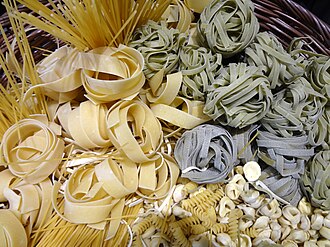
Photo: Wikipedia
Cooked pasta is the tender, starchy foundation of countless meals, offering a satisfying, chewy texture and a mild, wheaty flavor that readily absorbs sauces. Nutritionally, it is a carbohydrate-dense food, providing a quick source of energy with minimal fat and a modest amount of plant-based protein. Its simplicity and ability to act as a blank canvas make it a global staple.
💚 Why it's loved
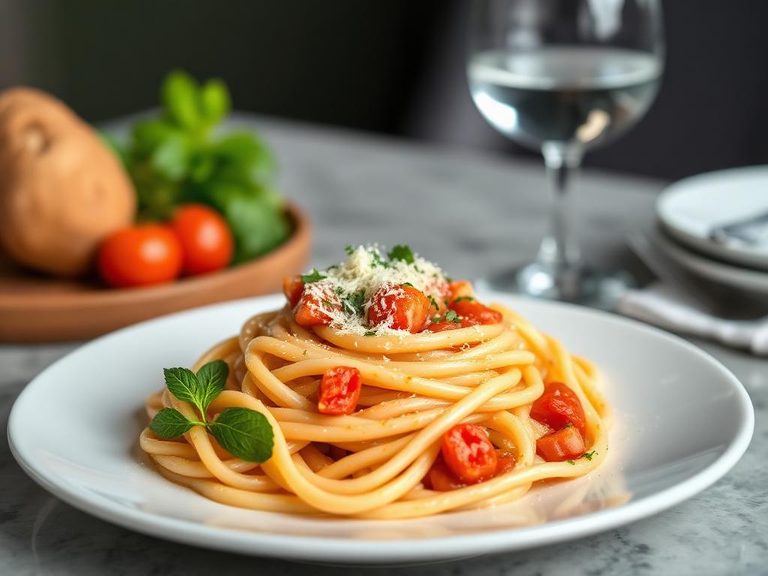
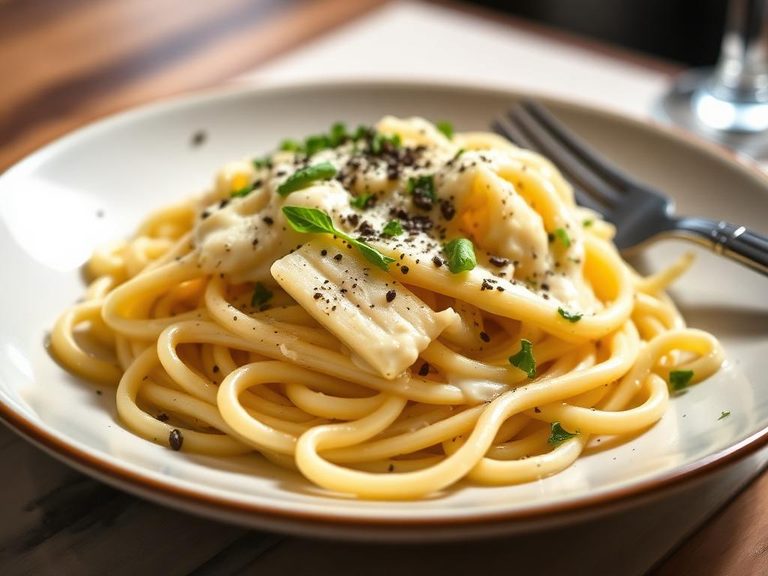
People love pasta for its comforting, neutral flavor and its incredible versatility—it can be dressed up with a simple tomato sauce or a rich, creamy Alfredo, making it a beloved centerpiece of family meals and celebrations worldwide. Its ability to be shaped into hundreds of forms, from spaghetti to penne, adds a fun, textural dimension to any dish.
⚠️ Watch-outs & how to enjoy it better
As a refined carbohydrate, pasta can cause a rapid spike in blood sugar, which may be a concern for those managing diabetes or seeking sustained energy. To counteract this, pair it with protein (like chicken or beans) and healthy fats (like olive oil or avocado) to slow digestion, and consider choosing whole-wheat or legume-based pasta for more fiber. It is also a common source of gluten, a protein that must be avoided by those with celiac disease or gluten sensitivity.
Key benefits
- Excellent source of quick-release energy from complex carbohydrates.
- Low in fat, making it a lean base for adding other ingredients.
- Contains plant-based protein, especially when made from durum wheat.
- Versatile base that pairs with vegetables, legumes, and lean proteins.
- A comforting, familiar food with a long shelf life in its dried form.
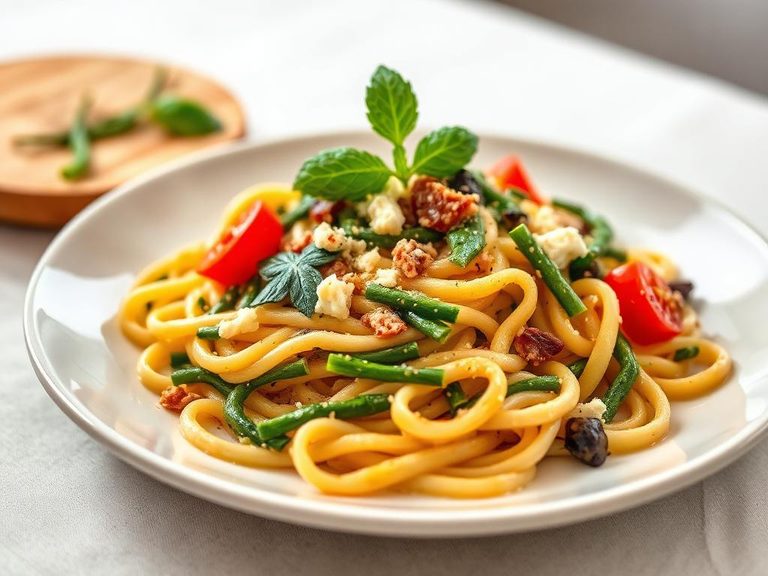
🍽️ Popular dishes
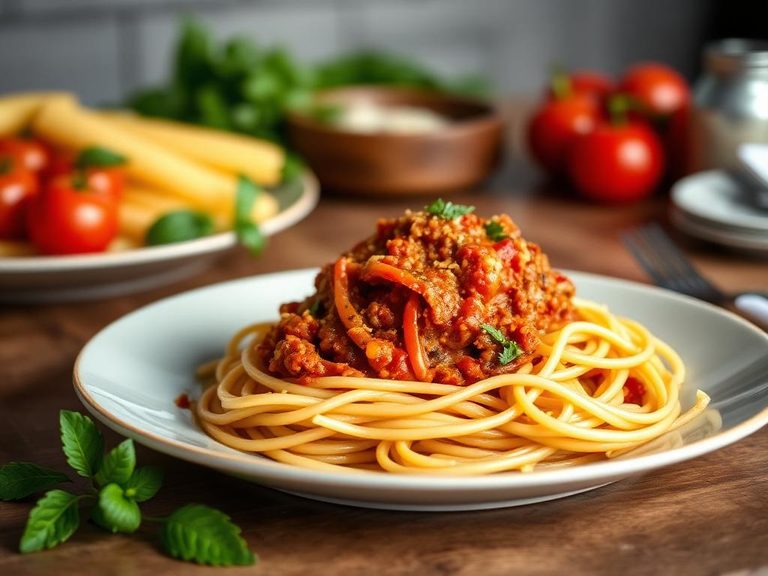
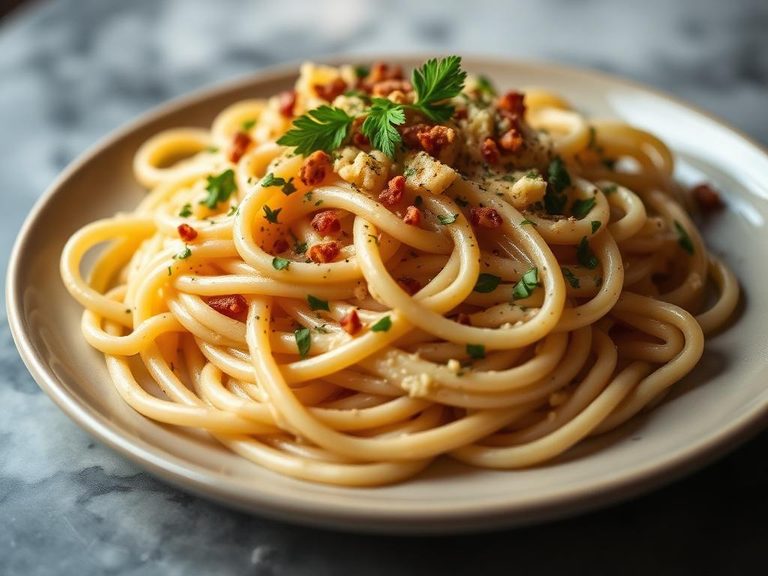
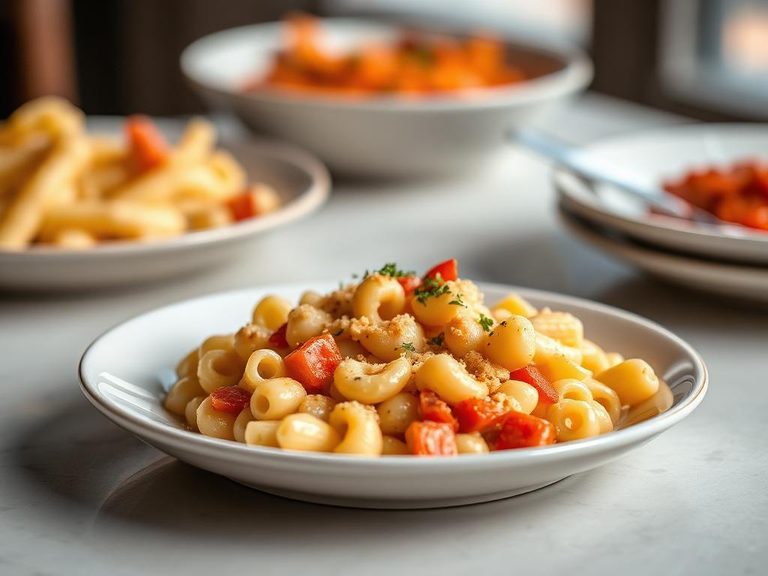
🌍 Where it's eaten
💡 Did you know?
The world record for the longest pasta is over 37 miles, achieved by a team in Italy using a single, continuous strand of spaghetti.
Full nutrition (scales with serving)
| Water | 61.8 g |
| Energy | 157 kcal |
| Protein | 5.8 g |
| Total lipid (fat) | 0.92 g |
| Carbohydrate, by difference | 30.7 g |
| Fiber, total dietary | 1.8 g |
| Total Sugars | 0.56 g |
| Calcium, Ca | 7.0 mg |
| Iron, Fe | 1.3 mg |
| Magnesium, Mg | 18.0 mg |
| Phosphorus, P | 58.0 mg |
| Potassium, K | 44.0 mg |
| Sodium, Na | 232 mg |
| Zinc, Zn | 0.51 mg |
| Copper, Cu | 0.10 mg |
| Selenium, Se | 26.2 ug |
| Vitamin C, total ascorbic acid | 0.00 mg |
| Thiamin | 0.27 mg |
| Riboflavin | 0.14 mg |
| Niacin | 1.7 mg |
| Vitamin B-6 | 0.05 mg |
| Folate, total | 73.0 ug |
| Folic acid | 66.0 ug |
| Folate, food | 7.0 ug |
| Folate, DFE | 118 ug |
| Choline, total | 6.4 mg |
| Vitamin B-12 | 0.00 ug |
| Vitamin B-12, added | 0.00 ug |
| Vitamin A, RAE | 0.00 ug |
| Retinol | 0.00 ug |
| Carotene, beta | 0.00 ug |
| Carotene, alpha | 0.00 ug |
| Cryptoxanthin, beta | 0.00 ug |
| Lycopene | 0.00 ug |
| Lutein + zeaxanthin | 7.0 ug |
| Vitamin E (alpha-tocopherol) | 0.06 mg |
| Vitamin E, added | 0.00 mg |
| Vitamin D (D2 + D3) | 0.00 ug |
| Vitamin K (phylloquinone) | 0.00 ug |
| Fatty acids, total saturated | 0.17 g |
| SFA 4:0 | 0.00 g |
| SFA 6:0 | 0.00 g |
| SFA 8:0 | 0.00 g |
| SFA 10:0 | 0.00 g |
| SFA 12:0 | 0.01 g |
| SFA 14:0 | 0.01 g |
| SFA 16:0 | 0.15 g |
| SFA 18:0 | 0.01 g |
| Fatty acids, total monounsaturated | 0.13 g |
| MUFA 16:1 | 0.00 g |
| MUFA 18:1 | 0.13 g |
| MUFA 20:1 | 0.00 g |
| MUFA 22:1 | 0.00 g |
| Fatty acids, total polyunsaturated | 0.32 g |
| PUFA 18:2 | 0.29 g |
| PUFA 18:3 | 0.02 g |
| PUFA 18:4 | 0.00 g |
| PUFA 20:4 | 0.00 g |
| PUFA 20:5 n-3 (EPA) | 0.00 g |
| PUFA 22:5 n-3 (DPA) | 0.00 g |
| PUFA 22:6 n-3 (DHA) | 0.00 g |
| Cholesterol | 0.00 mg |
| Alcohol, ethyl | 0.00 g |
| Caffeine | 0.00 mg |
| Theobromine | 0.00 mg |
FAQ
Is cooked pasta a good source of protein?
While it contains some protein (about 5.8g per 100g), it is not a complete protein on its own. It's best paired with other protein sources like meat, fish, legumes, or dairy to create a balanced meal.
How can I make pasta healthier?
Choose whole-wheat or legume-based pasta for more fiber and protein. Load it with vegetables, use a light sauce, and add a source of lean protein or healthy fat to create a more nutritionally balanced dish.
Does cooking pasta change its nutritional value?
Cooking pasta increases its water content, which dilutes the calorie density per gram. The cooking process can also make some starches more digestible, but the overall macronutrient profile remains largely similar to the dried form.