Mushrooms, fresh, cooked with oil
Common food
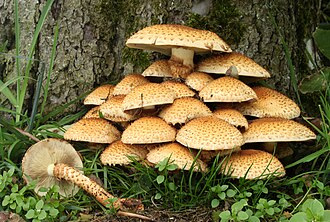
Photo: Wikipedia
Fresh mushrooms cooked in oil transform into tender, savory morsels with a rich, earthy depth and a satisfying, slightly meaty bite. Nutritionally, they are a low-calorie, high-fiber food that provides a modest protein boost and healthy fats from the cooking oil, making them a flavorful and satiating addition to meals.
💚 Why it's loved
People love them for their deep umami flavor and versatile texture, which absorbs seasonings beautifully and adds a savory richness to everything from pastas to stir-fries. They are a beloved staple in countless cuisines, often serving as a hearty, satisfying centerpiece in vegetarian dishes.
⚠️ Watch-outs & how to enjoy it better
Some individuals may experience digestive discomfort from the chitin in mushroom cell walls. To aid digestion, cook them thoroughly and start with smaller portions. For those monitoring fat intake, be mindful of the added cooking oil; using a spray or measured amount can help control calories.
Key benefits
- Excellent source of dietary fiber (2.1g per 100g)
- Low in calories (70 kcal per 100g)
- Provides plant-based protein (3.5g per 100g)
- Contains healthy fats from cooking oil
- Good source of B vitamins like riboflavin and niacin
🍽️ Popular dishes
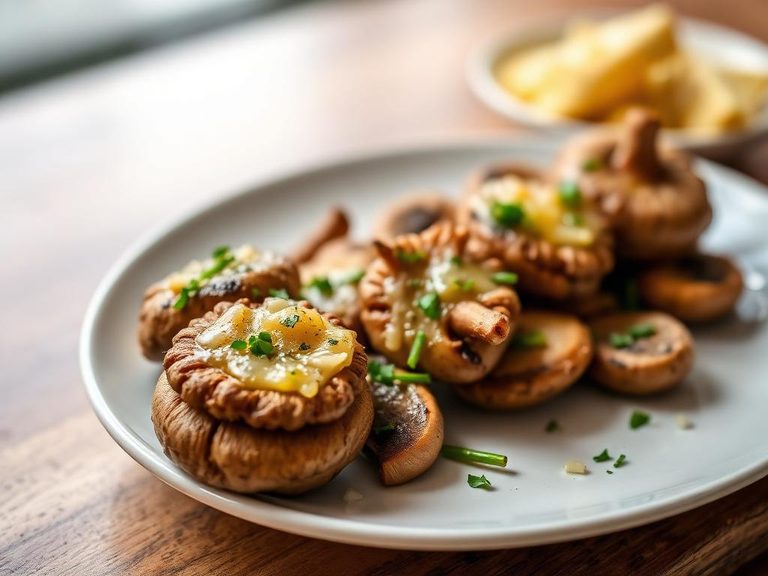
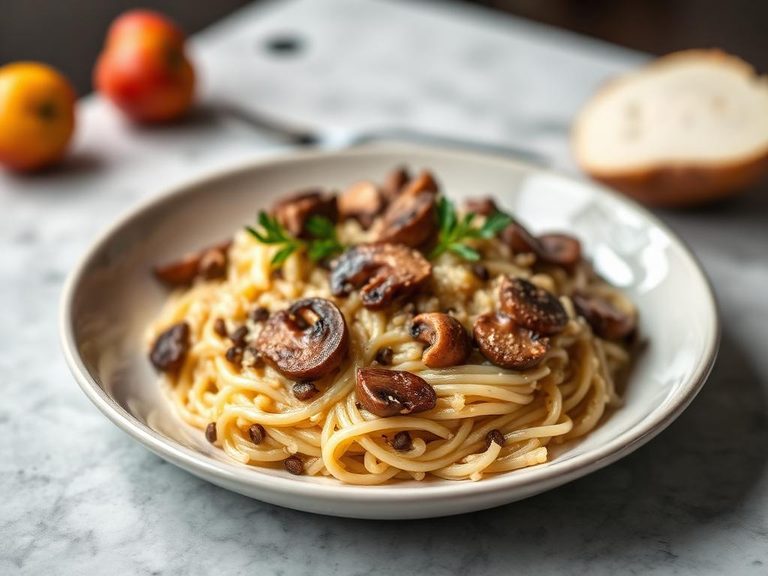
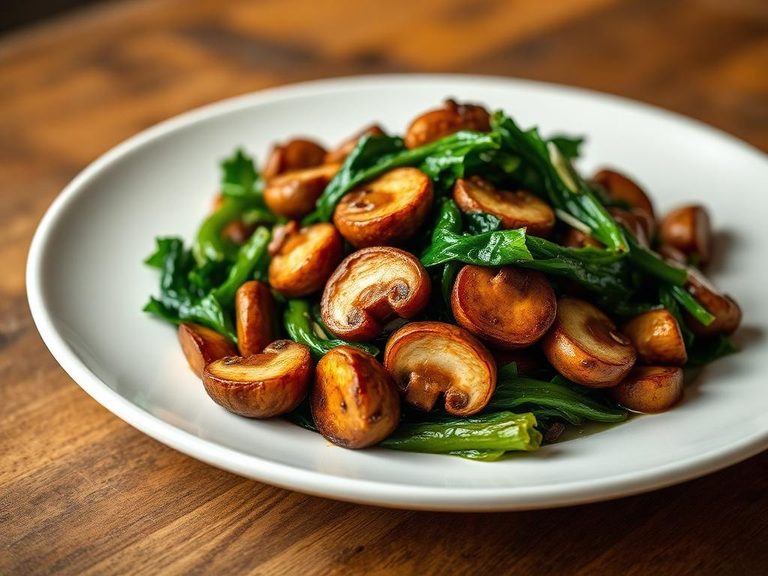
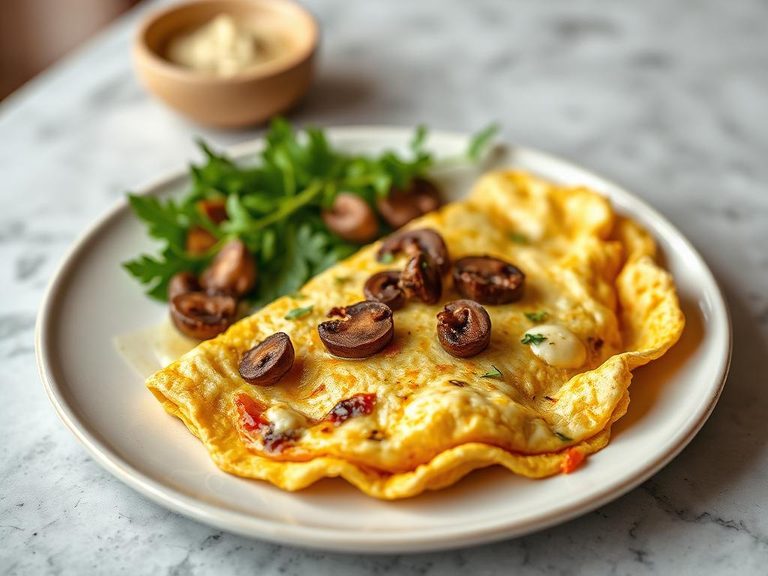
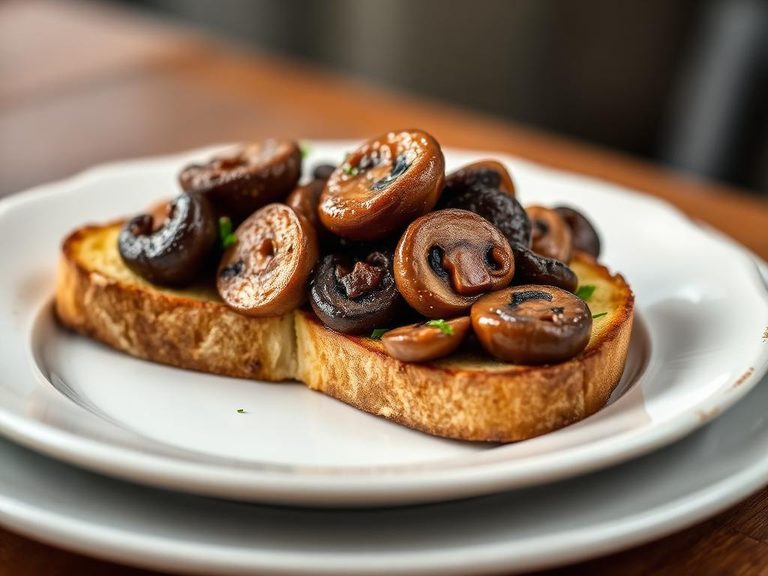
🌍 Where it's eaten
💡 Did you know?
Mushrooms are not plants; they belong to their own biological kingdom, Fungi, and are more closely related to animals than to plants in their cellular structure.
Full nutrition (scales with serving)
| Water | 86.1 g |
| Energy | 70.0 kcal |
| Protein | 3.5 g |
| Total lipid (fat) | 4.0 g |
| Carbohydrate, by difference | 5.0 g |
| Fiber, total dietary | 2.1 g |
| Total Sugars | 2.4 g |
| Calcium, Ca | 6.0 mg |
| Iron, Fe | 0.28 mg |
| Magnesium, Mg | 12.0 mg |
| Phosphorus, P | 113 mg |
| Potassium, K | 449 mg |
| Sodium, Na | 148 mg |
| Zinc, Zn | 0.60 mg |
| Copper, Cu | 0.44 mg |
| Selenium, Se | 23.0 ug |
| Vitamin C, total ascorbic acid | 2.2 mg |
| Thiamin | 0.06 mg |
| Riboflavin | 0.52 mg |
| Niacin | 4.5 mg |
| Vitamin B-6 | 0.09 mg |
| Folate, total | 36.0 ug |
| Folic acid | 0.00 ug |
| Folate, food | 36.0 ug |
| Folate, DFE | 36.0 ug |
| Choline, total | 20.9 mg |
| Vitamin B-12 | 0.05 ug |
| Vitamin B-12, added | 0.00 ug |
| Vitamin A, RAE | 0.00 ug |
| Retinol | 0.00 ug |
| Carotene, beta | 0.00 ug |
| Carotene, alpha | 0.00 ug |
| Cryptoxanthin, beta | 0.00 ug |
| Lycopene | 0.00 ug |
| Lutein + zeaxanthin | 0.00 ug |
| Vitamin E (alpha-tocopherol) | 0.70 mg |
| Vitamin E, added | 0.00 mg |
| Vitamin D (D2 + D3) | 0.00 ug |
| Vitamin K (phylloquinone) | 3.6 ug |
| Fatty acids, total saturated | 0.55 g |
| SFA 4:0 | 0.00 g |
| SFA 6:0 | 0.00 g |
| SFA 8:0 | 0.00 g |
| SFA 10:0 | 0.00 g |
| SFA 12:0 | 0.00 g |
| SFA 14:0 | 0.00 g |
| SFA 16:0 | 0.40 g |
| SFA 18:0 | 0.12 g |
| Fatty acids, total monounsaturated | 1.5 g |
| MUFA 16:1 | 0.01 g |
| MUFA 18:1 | 1.5 g |
| MUFA 20:1 | 0.02 g |
| MUFA 22:1 | 0.00 g |
| Fatty acids, total polyunsaturated | 1.6 g |
| PUFA 18:2 | 1.4 g |
| PUFA 18:3 | 0.16 g |
| PUFA 18:4 | 0.00 g |
| PUFA 20:4 | 0.00 g |
| PUFA 20:5 n-3 (EPA) | 0.00 g |
| PUFA 22:5 n-3 (DPA) | 0.00 g |
| PUFA 22:6 n-3 (DHA) | 0.00 g |
| Cholesterol | 0.00 mg |
| Alcohol, ethyl | 0.00 g |
| Caffeine | 0.00 mg |
| Theobromine | 0.00 mg |
FAQ
Should I wash mushrooms before cooking?
It's best to wipe them clean with a damp paper towel or brush off dirt. Soaking can make them waterlogged and prevent proper browning.
Why do mushrooms release so much water when cooked?
Mushrooms are about 90% water. As they cook, their cell walls break down, releasing this moisture. To get a good sear, cook them in a hot pan without crowding, allowing the water to evaporate quickly.
Are cooked mushrooms still nutritious?
Yes. Cooking actually breaks down tough cell walls, making some nutrients like antioxidants and minerals more bioavailable. The primary loss is some heat-sensitive B vitamins.