Mushrooms, cooked, as ingredient
Common food
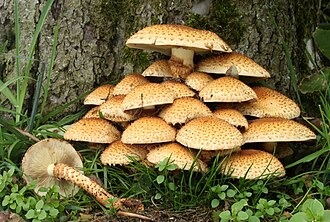
Photo: Wikipedia
Cooked mushrooms are a savory, umami-rich ingredient with a tender, meaty texture that absorbs flavors beautifully. They are a low-calorie, low-fat source of plant-based protein and dietary fiber, making them a nutrient-dense addition to countless dishes.
💚 Why it's loved
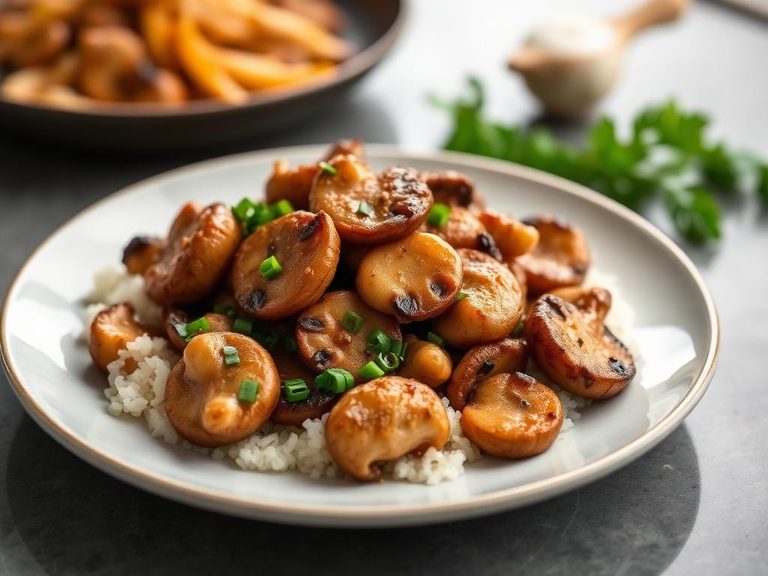
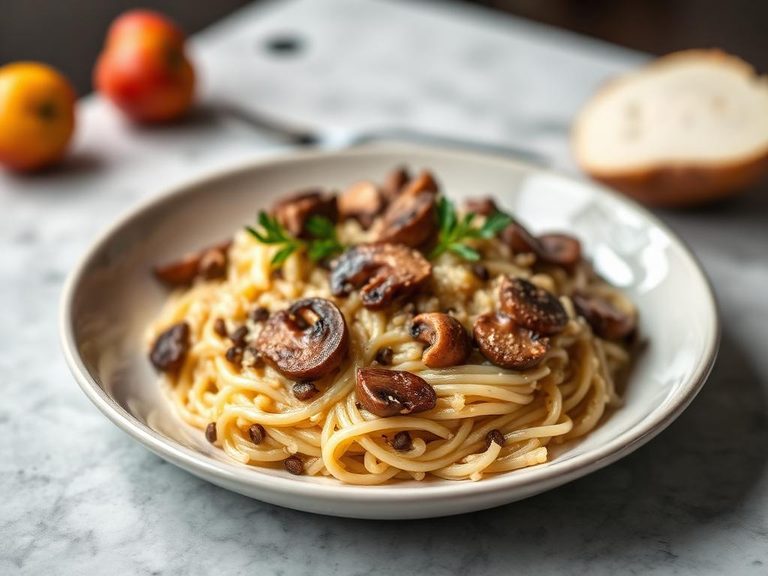
People love cooked mushrooms for their deep, savory umami flavor and versatile, meaty texture that can enhance everything from stir-fries to sauces. They are a culinary chameleon, absorbing the flavors of the ingredients they are cooked with.
⚠️ Watch-outs & how to enjoy it better
Some individuals may experience digestive discomfort due to their chitin content, a type of fiber in the cell walls. To mitigate this, ensure mushrooms are cooked thoroughly to break down the chitin, and introduce them gradually into your diet if you are sensitive.
Key benefits
- Excellent source of dietary fiber for digestive health.
- Provides plant-based protein with minimal fat.
- Rich in B vitamins like riboflavin and niacin.
- Contains antioxidants like selenium.
- Adds savory umami flavor without added salt or fat.
🍽️ Popular dishes
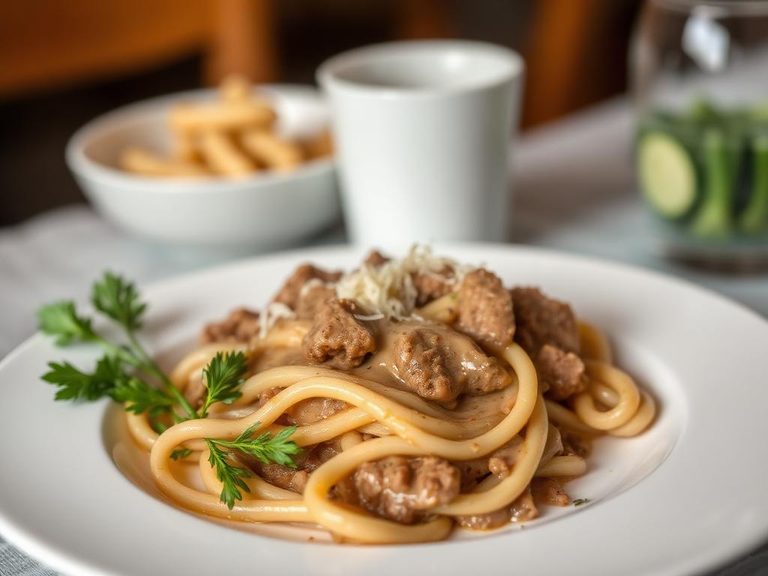
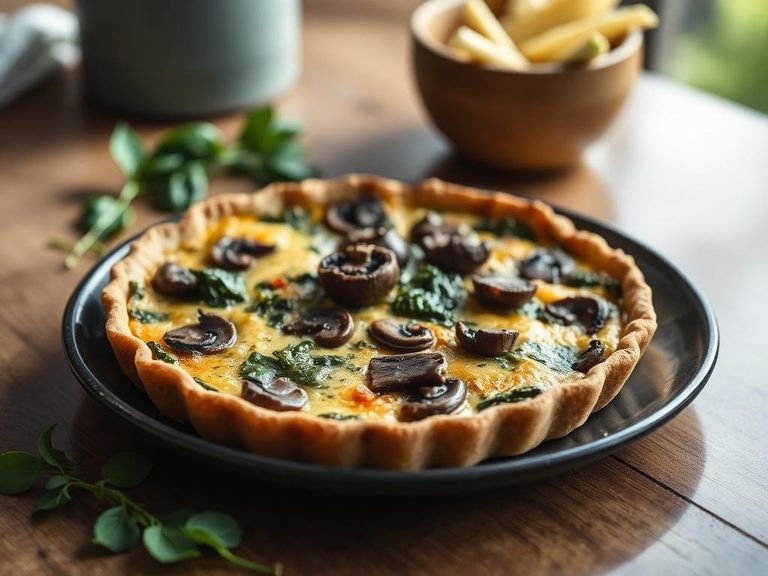
🌍 Where it's eaten
💡 Did you know?
Mushrooms are not plants; they belong to their own biological kingdom, Fungi, and are more closely related to animals than to plants in their cellular structure.
Full nutrition (scales with serving)
| Water | 89.7 g |
| Energy | 39.0 kcal |
| Protein | 3.6 g |
| Total lipid (fat) | 0.43 g |
| Carbohydrate, by difference | 5.2 g |
| Fiber, total dietary | 2.2 g |
| Total Sugars | 2.5 g |
| Calcium, Ca | 6.0 mg |
| Iron, Fe | 0.29 mg |
| Magnesium, Mg | 12.0 mg |
| Phosphorus, P | 116 mg |
| Potassium, K | 464 mg |
| Sodium, Na | 7.0 mg |
| Zinc, Zn | 0.62 mg |
| Copper, Cu | 0.46 mg |
| Selenium, Se | 23.8 ug |
| Vitamin C, total ascorbic acid | 2.2 mg |
| Thiamin | 0.06 mg |
| Riboflavin | 0.54 mg |
| Niacin | 4.6 mg |
| Vitamin B-6 | 0.09 mg |
| Folate, total | 37.0 ug |
| Folic acid | 0.00 ug |
| Folate, food | 37.0 ug |
| Folate, DFE | 37.0 ug |
| Choline, total | 21.6 mg |
| Vitamin B-12 | 0.05 ug |
| Vitamin B-12, added | 0.00 ug |
| Vitamin A, RAE | 0.00 ug |
| Retinol | 0.00 ug |
| Carotene, beta | 0.00 ug |
| Carotene, alpha | 0.00 ug |
| Cryptoxanthin, beta | 0.00 ug |
| Lycopene | 0.00 ug |
| Lutein + zeaxanthin | 0.00 ug |
| Vitamin E (alpha-tocopherol) | 0.01 mg |
| Vitamin E, added | 0.00 mg |
| Vitamin D (D2 + D3) | 0.00 ug |
| Vitamin K (phylloquinone) | 0.00 ug |
| Fatty acids, total saturated | 0.06 g |
| SFA 4:0 | 0.00 g |
| SFA 6:0 | 0.00 g |
| SFA 8:0 | 0.00 g |
| SFA 10:0 | 0.00 g |
| SFA 12:0 | 0.00 g |
| SFA 14:0 | 0.00 g |
| SFA 16:0 | 0.05 g |
| SFA 18:0 | 0.01 g |
| Fatty acids, total monounsaturated | 0.00 g |
| MUFA 16:1 | 0.00 g |
| MUFA 18:1 | 0.00 g |
| MUFA 20:1 | 0.00 g |
| MUFA 22:1 | 0.00 g |
| Fatty acids, total polyunsaturated | 0.20 g |
| PUFA 18:2 | 0.20 g |
| PUFA 18:3 | 0.00 g |
| PUFA 18:4 | 0.00 g |
| PUFA 20:4 | 0.00 g |
| PUFA 20:5 n-3 (EPA) | 0.00 g |
| PUFA 22:5 n-3 (DPA) | 0.00 g |
| PUFA 22:6 n-3 (DHA) | 0.00 g |
| Cholesterol | 0.00 mg |
| Alcohol, ethyl | 0.00 g |
| Caffeine | 0.00 mg |
| Theobromine | 0.00 mg |
FAQ
Why do mushrooms release so much water when cooked?
Mushrooms are composed of about 90% water. When heated, their cell walls break down, releasing this internal moisture. Cooking them over medium-high heat allows the water to evaporate, concentrating their flavor and improving their texture.
Should I wash or wipe mushrooms to clean them?
This is a classic debate. Most chefs recommend wiping mushrooms with a damp paper towel or soft brush to avoid waterlogging. However, a quick rinse under running water and immediate thorough drying is also acceptable, especially for very dirty specimens.
Can I eat the stems of mushrooms like button or cremini?
Yes, the stems are edible. While some stems (like shiitake) can be tough and woody, the stems of common button, cremini, and portobello mushrooms are perfectly good to eat. You can chop them finely and cook them along with the caps.