

Melon balls, frozen
Whole food · Fruits and Fruit Juices

Photo: Wikipedia
Frozen melon balls are bite-sized spheres of melon (typically honeydew, cantaloupe, or watermelon) flash-frozen at peak ripeness, preserving their juicy sweetness and firm, slightly icy texture. They offer a refreshing, low-calorie snack with a natural burst of fruit flavor. Nutritionally, they are a light source of carbohydrates and provide a small amount of fiber.
Calorie split: 9% protein · 85% carbs · 6% fat
↓ Full nutrition💚 Why it's loved
People love frozen melon balls for their instant, refreshing sweetness and satisfying, cool crunch—perfect for hot days or as a guilt-free dessert. They are incredibly versatile, blending easily into smoothies, cocktails, or fruit salads without browning.
⚠️ Watch-outs & how to enjoy it better
The primary downside is their high water content and natural fruit sugars, which can cause rapid blood sugar spikes if eaten in large quantities, especially for those managing diabetes. To counteract this, pair them with a source of protein or healthy fat (like Greek yogurt or nuts) to slow sugar absorption, and practice portion control.
Key benefits
- Very low in calories (33 kcal per 100g)
- Provides quick, natural energy from carbohydrates
- Contains dietary fiber for digestive health
- Fat-free and cholesterol-free
- Convenient, pre-portioned fruit for snacks or recipes
🍽️ Popular dishes
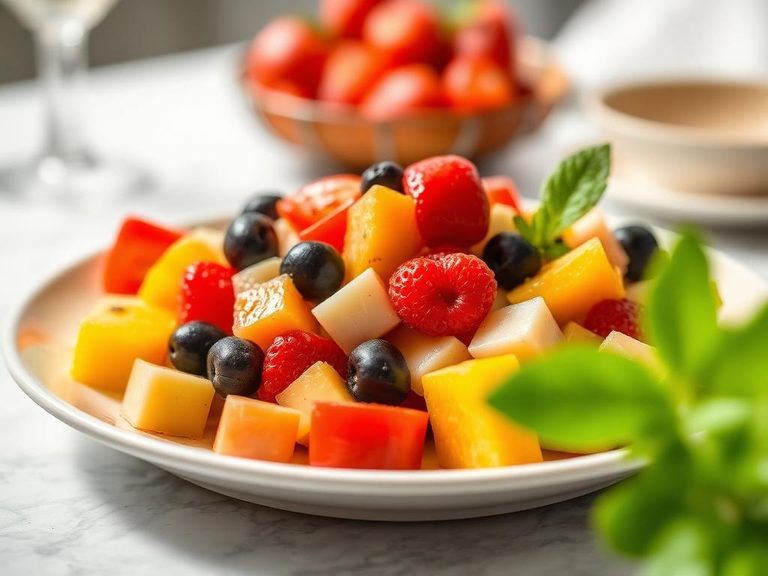
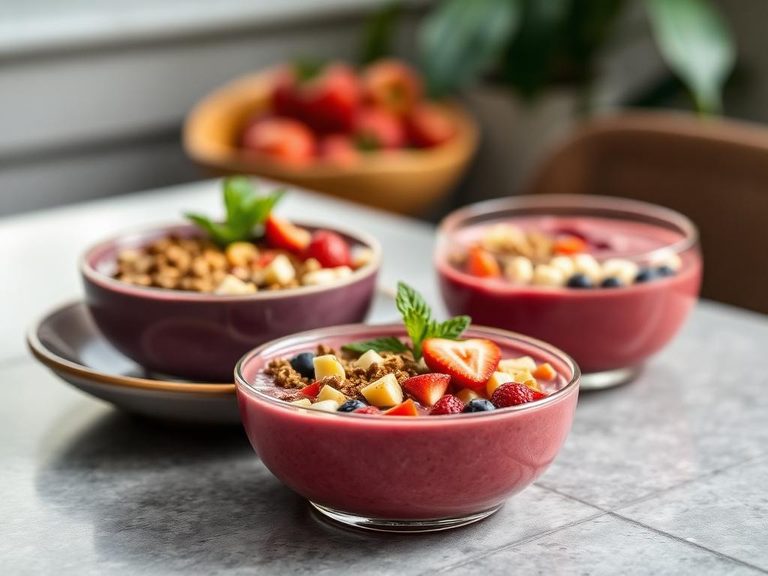
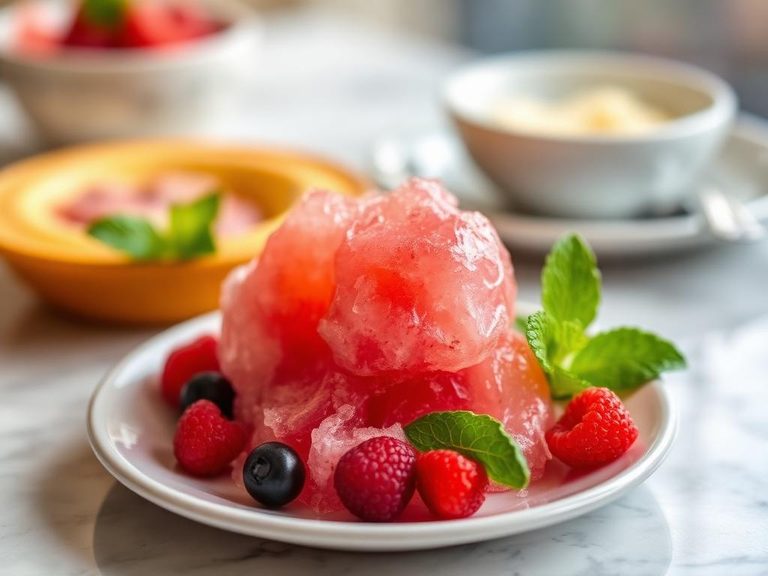
🌍 Where it's eaten
💡 Did you know?
The classic melon baller tool, used to create these perfect spheres, was patented in 1828 by an American inventor named Nathaniel Waterman.
Full nutrition (USDA data · scales with serving)
| Water | 90.3 g |
| Energy | 33.0 kcal |
| Energy | 138 kj |
| Protein | 0.84 g |
| Total lipid (fat) | 0.25 g |
| Ash | 0.71 g |
| Carbohydrate, by difference | 7.9 g |
| Fiber, total dietary | 0.70 g |
| Calcium, Ca | 10.0 mg |
| Iron, Fe | 0.29 mg |
| Magnesium, Mg | 14.0 mg |
| Phosphorus, P | 12.0 mg |
| Potassium, K | 280 mg |
| Sodium, Na | 31.0 mg |
| Zinc, Zn | 0.17 mg |
| Copper, Cu | 0.06 mg |
| Manganese, Mn | 0.04 mg |
| Vitamin C, total ascorbic acid | 6.2 mg |
| Thiamin | 0.17 mg |
| Riboflavin | 0.02 mg |
| Niacin | 0.64 mg |
| Pantothenic acid | 0.16 mg |
| Vitamin B-6 | 0.11 mg |
| Folate, total | 26.0 ug |
| Folic acid | 0.00 ug |
| Folate, food | 26.0 ug |
| Folate, DFE | 26.0 ug |
| Vitamin B-12 | 0.00 ug |
| Vitamin A, RAE | 89.0 ug |
| Retinol | 0.00 ug |
| Vitamin A, IU | 1774 iu |
| Vitamin D (D2 + D3), International Units | 0.00 iu |
| Vitamin D (D2 + D3) | 0.00 ug |
| Alcohol, ethyl | 0.00 g |
Fat & fatty acid profile (per 100g)
| Fatty acids, total saturated | 0.06 g |
| SFA 4:0 | 0.00 g |
| SFA 6:0 | 0.00 g |
| SFA 8:0 | 0.00 g |
| SFA 10:0 | 0.00 g |
| SFA 12:0 | 0.00 g |
| SFA 14:0 | 0.00 g |
| SFA 16:0 | 0.05 g |
| SFA 18:0 | 0.01 g |
| Fatty acids, total monounsaturated | 0.01 g |
| MUFA 16:1 | 0.00 g |
| MUFA 18:1 | 0.00 g |
| MUFA 20:1 | 0.00 g |
| MUFA 22:1 | 0.00 g |
| Fatty acids, total polyunsaturated | 0.10 g |
| PUFA 18:2 | 0.04 g |
| PUFA 18:3 | 0.06 g |
| PUFA 18:4 | 0.00 g |
| PUFA 20:4 | 0.00 g |
| PUFA 20:5 n-3 (EPA) | 0.00 g |
| PUFA 22:5 n-3 (DPA) | 0.00 g |
| PUFA 22:6 n-3 (DHA) | 0.00 g |
| Fatty acids, total trans | 0.00 g |
| Cholesterol | 0.00 mg |
FAQ
Do frozen melon balls lose nutrients compared to fresh?
Flash-freezing preserves most vitamins and minerals very well. Some water-soluble vitamins (like vitamin C) may degrade slightly over time, but the overall nutritional profile remains very similar to fresh melon.
How should I use them from frozen?
They are ready to eat directly from the freezer for a cold treat. For recipes like smoothies or salads, you can thaw them in the refrigerator for 30-60 minutes or use them frozen to add chill and thickness.
Can I make them at home?
Yes. Use a melon baller on fresh, ripe melon. Place the balls on a parchment-lined baking sheet and freeze until solid (about 2 hours), then transfer to a freezer bag to prevent clumping.
Nutrient density (calculated · NRF9.3)
Nutrient Rich Foods index: beneficial nutrients (protein, fiber, vitamins, minerals) minus saturated fat, added sugar & sodium, per 100 kcal.
NRF9.3 index — Fulgoni, Keast & Drewnowski, 2009. Computed from USDA nutrients.
Weight-loss friendliness (composite index)
Energy density 0.33 kcal/g · 10% calories from protein · 0.7 g fiber · 0.0 g sugar per 100 g.
Composite of energy density (Rolls et al., 1999), protein & fiber satiety, minus sugar. A calculated heuristic — ranks satiety-per-calorie, not a clinical measure.
Dietary load (calculated from USDA values)
Potential renal acid load. Positive = acid-forming, negative = alkaline-forming.
Sodium-to-potassium ratio: 0.11 (lower is better — aim for ≤ 1)
Sodium:potassium per WHO potassium guidance. Computed from USDA nutrients.