

Incaparina, dry mix (corn and soy flours), unprepared
Whole food · Breakfast Cereals

Photo: Wikipedia
Incaparina is a finely milled, pale yellow powder made from a blend of corn and soy flours, designed as a high-protein nutritional supplement. When mixed with water or milk, it forms a smooth, thin gruel with a mild, slightly nutty and earthy flavor, reminiscent of cornmeal but less gritty. Its standout feature is its impressive protein content, making it a powerful tool for combating malnutrition.
Calorie split: 23% protein · 64% carbs · 13% fat
↓ Full nutrition💚 Why it's loved
People love Incaparina for its incredible versatility and role as a nutritional safety net. It's a blank canvas that absorbs flavors, easily incorporated into porridges, soups, or baked goods, and is deeply embedded in the food security and cultural traditions of Central America.
⚠️ Watch-outs & how to enjoy it better
The primary downside is its potential to cause rapid blood-sugar spikes due to its high carbohydrate content, especially when consumed as a plain, sugary gruel. It is also a common allergen (soy). To counteract this, always pair it with a source of fat or additional protein (like nuts, seeds, or a dollop of yogurt) and consider adding fiber-rich fruits to slow glucose absorption.
Key benefits
- Excellent source of plant-based protein (21.75g per 100g dry mix).
- High in dietary fiber (9.9g per 100g), supporting digestive health.
- Provides a dense, affordable source of calories and essential amino acids.
- Fortified with vitamins and minerals in many commercial versions.
- Naturally gluten-free, suitable for those with celiac disease.
🍽️ Popular dishes
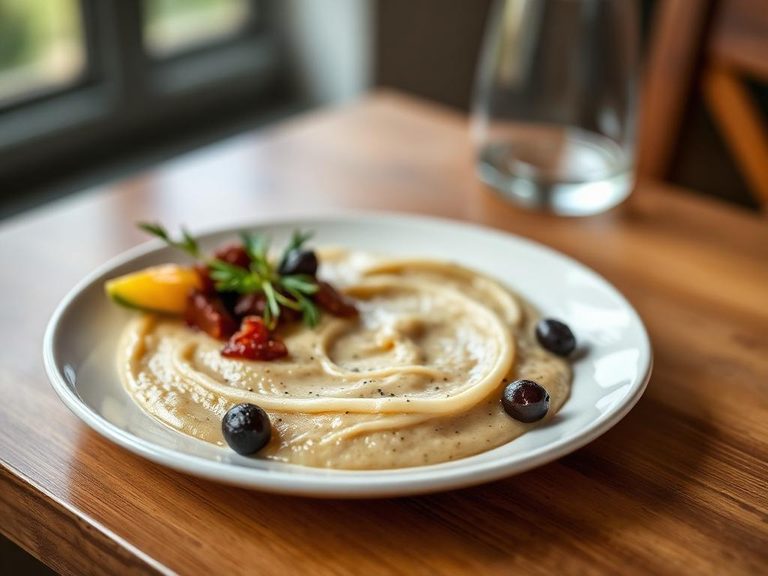
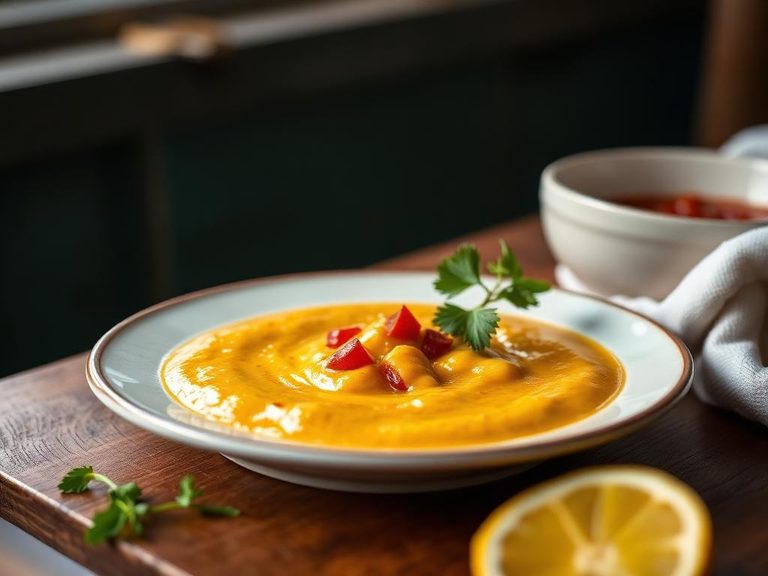
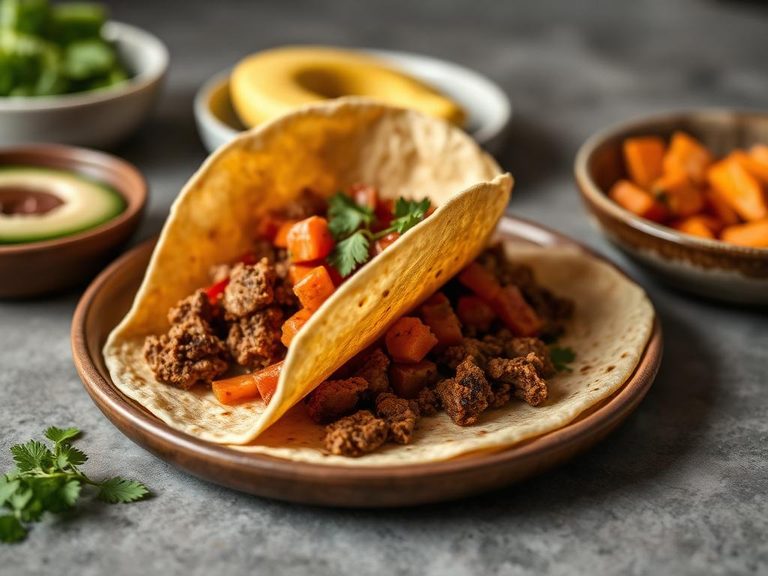
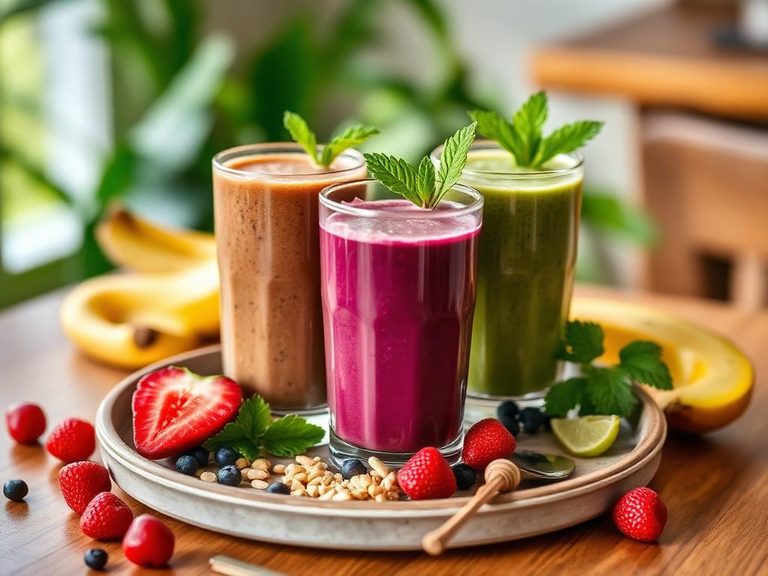
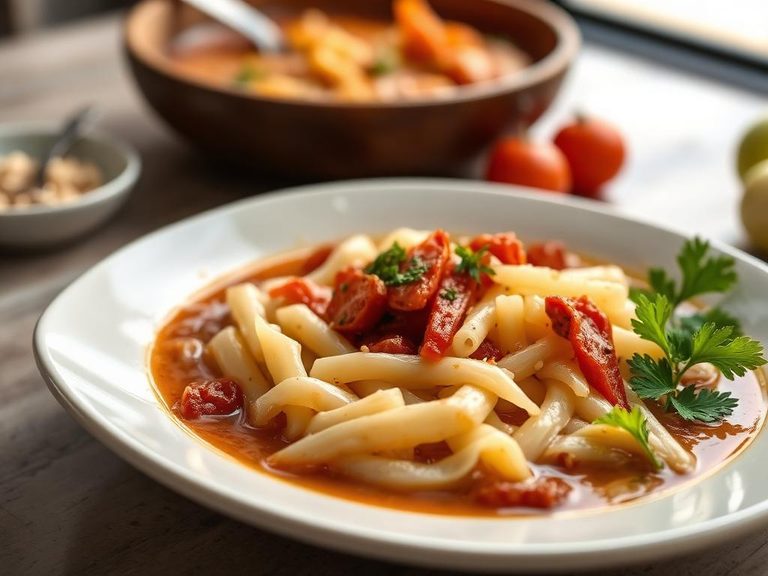
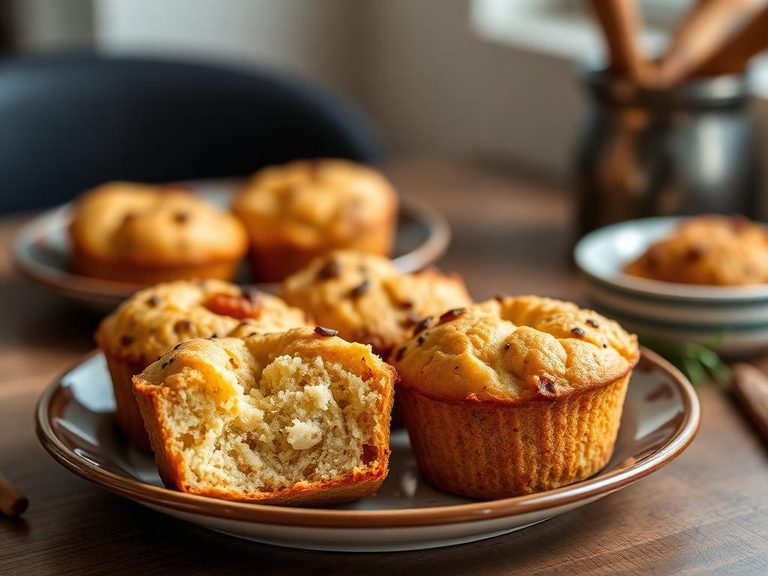
🌍 Where it's eaten
💡 Did you know?
Incaparina was developed in the 1950s by the Institute of Nutrition of Central America and Panama (INCAP) as a direct, scientifically formulated response to widespread protein deficiency in the region.
Full nutrition (USDA data · scales with serving)
| Water | 7.5 g |
| Energy | 379 kcal |
| Energy | 1587 kj |
| Protein | 21.8 g |
| Total lipid (fat) | 5.6 g |
| Ash | 4.7 g |
| Carbohydrate, by difference | 60.5 g |
| Fiber, total dietary | 9.9 g |
| Starch | 44.8 g |
| Calcium, Ca | 600 mg |
| Iron, Fe | 22.0 mg |
| Magnesium, Mg | 220 mg |
| Phosphorus, P | 530 mg |
| Potassium, K | 1030 mg |
| Sodium, Na | 4.0 mg |
| Zinc, Zn | 23.0 mg |
| Copper, Cu | 0.61 mg |
| Manganese, Mn | 1.6 mg |
| Selenium, Se | 14.5 ug |
| Thiamin | 1.9 mg |
| Riboflavin | 0.61 mg |
| Niacin | 27.0 mg |
| Pantothenic acid | 1.1 mg |
| Vitamin B-6 | 0.69 mg |
| Vitamin B-12 | 1.5 ug |
| Vitamin A, RAE | 1770 ug |
| Retinol | 1770 ug |
| Vitamin A, IU | 5900 iu |
| Vitamin E (alpha-tocopherol) | 0.36 mg |
| Tocopherol, beta | 0.07 mg |
| Tocopherol, gamma | 1.6 mg |
| Tocopherol, delta | 0.27 mg |
| Tocotrienol, alpha | 0.25 mg |
| Tocotrienol, beta | 0.00 mg |
| Tocotrienol, gamma | 0.52 mg |
| Tocotrienol, delta | 0.00 mg |
Amino acid profile (per 100g)
| Tryptophan | 0.26 g |
| Threonine | 0.71 g |
| Isoleucine | 0.94 g |
| Leucine | 2.4 g |
| Lysine | 1.5 g |
| Methionine | 0.44 g |
| Cystine | 0.14 g |
| Phenylalanine | 1.3 g |
| Tyrosine | 0.74 g |
| Valine | 1.1 g |
| Arginine | 1.7 g |
| Histidine | 0.68 g |
| Alanine | 1.3 g |
| Aspartic acid | 2.6 g |
| Glutamic acid | 4.8 g |
| Glycine | 1.1 g |
| Proline | 1.0 g |
| Serine | 1.4 g |
| Hydroxyproline | 0.00 g |
FAQ
What does Incaparina taste like on its own?
On its own, the dry mix has a mild, slightly nutty and earthy flavor similar to raw cornmeal or soy flour. When cooked into a gruel, the taste is very neutral, making it easy to sweeten with sugar/honey or season with salt and spices.
Is Incaparina the same as Maseca or regular corn flour?
No. Maseca is nixtamalized corn flour for tortillas. Incaparina is a specific blend of corn and soy flours, processed and often fortified to be a high-protein nutritional supplement, not a direct culinary substitute for masa.
How is Incaparina typically prepared?
The most common preparation is a gruel or porridge: the dry mix is whisked into cold water or milk to form a slurry, then heated while stirring until it thickens. It can also be dry-blended into other recipes like breads or smoothies.
Nutrient density (calculated · NRF9.3)
Nutrient Rich Foods index: beneficial nutrients (protein, fiber, vitamins, minerals) minus saturated fat, added sugar & sodium, per 100 kcal.
NRF9.3 index — Fulgoni, Keast & Drewnowski, 2009. Computed from USDA nutrients.
Weight-loss friendliness (composite index)
Energy density 3.79 kcal/g · 23% calories from protein · 9.9 g fiber · 0.0 g sugar per 100 g.
Composite of energy density (Rolls et al., 1999), protein & fiber satiety, minus sugar. A calculated heuristic — ranks satiety-per-calorie, not a clinical measure.
Dietary load (calculated from USDA values)
Potential renal acid load. Positive = acid-forming, negative = alkaline-forming.
Sodium-to-potassium ratio: 0.00 (lower is better — aim for ≤ 1)
Sodium:potassium per WHO potassium guidance. Computed from USDA nutrients.