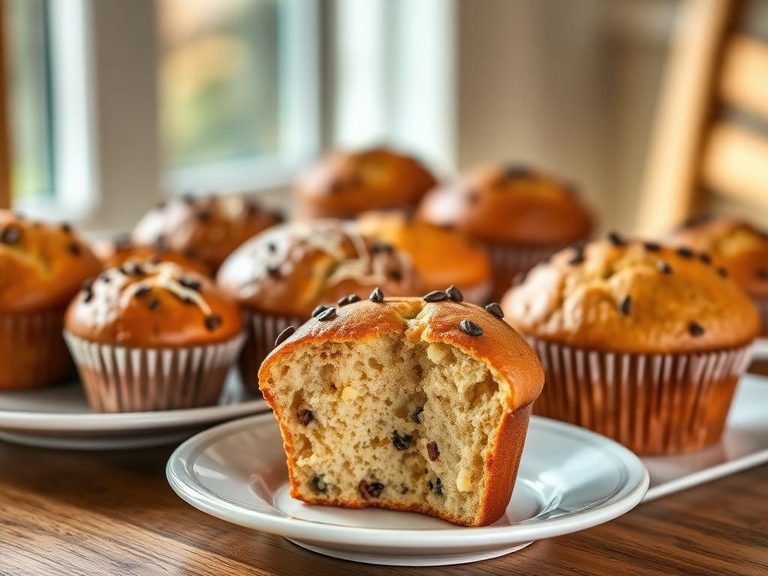
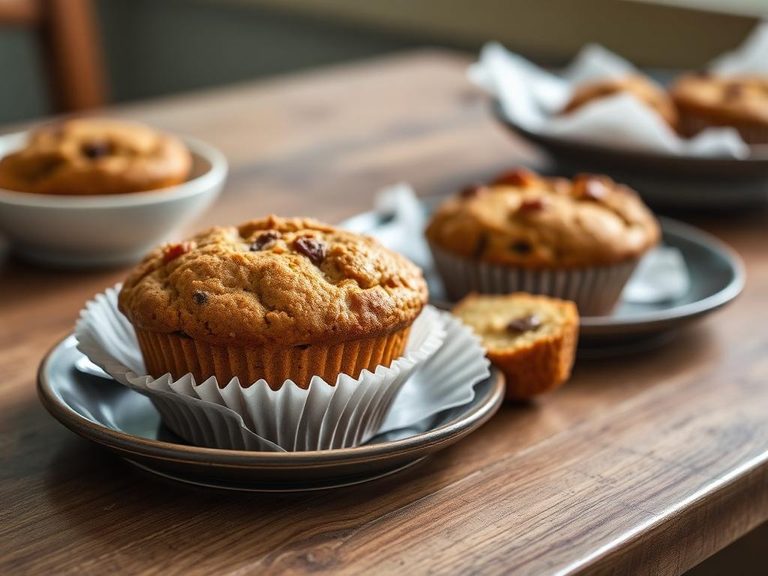
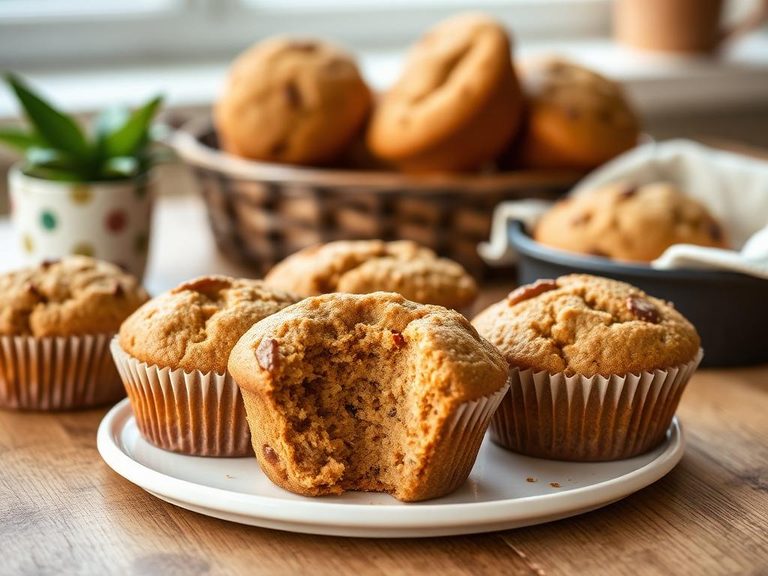
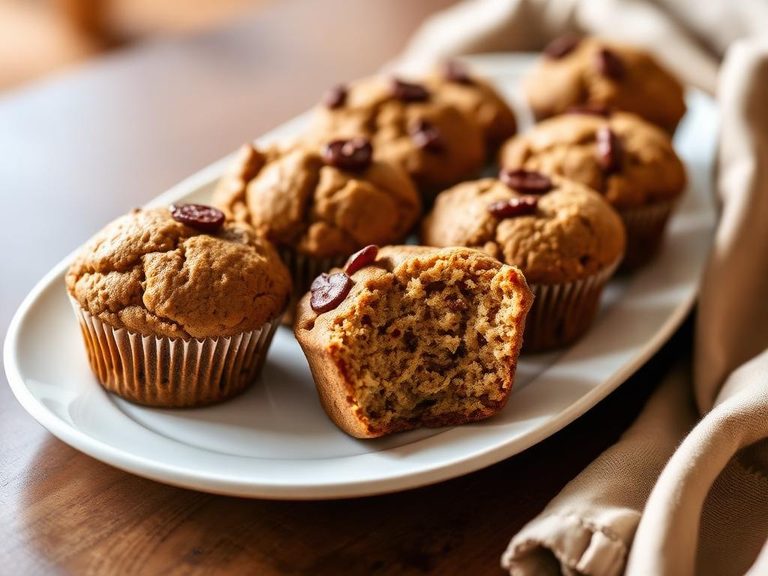
Baked into breads or muffins
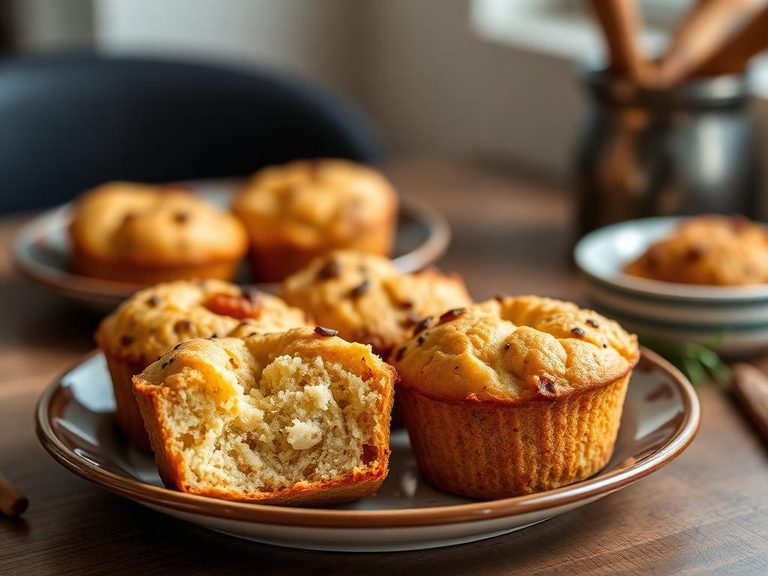
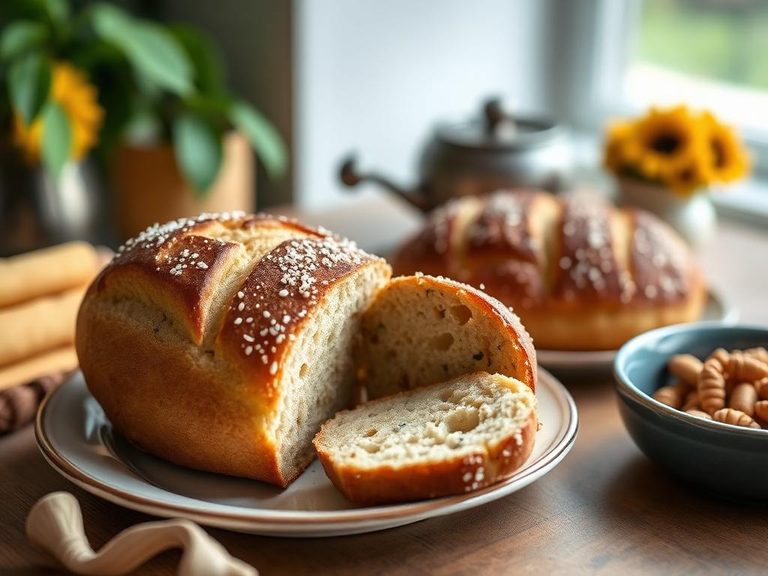
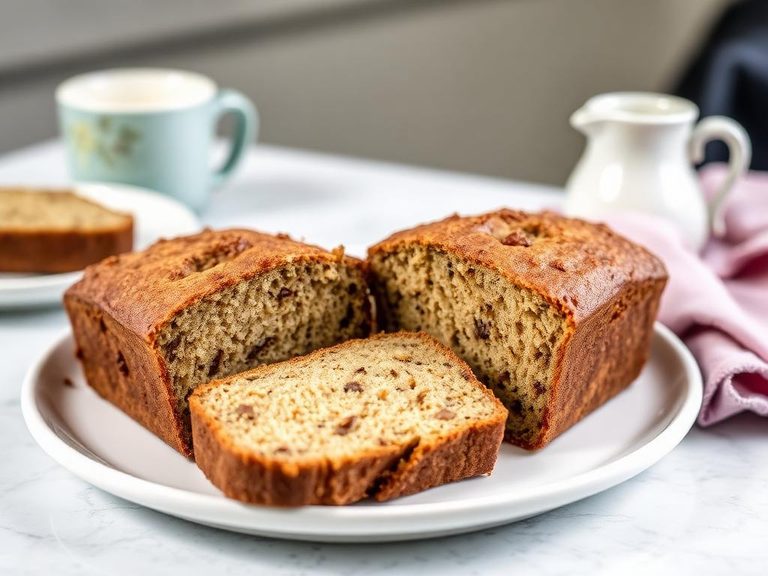
This refers to the category of baked goods like breads and muffins, which are leavened doughs or batters baked in an oven. They typically use flour, water or milk, a leavening agent, and fat as a base, with countless variations for sweet or savory flavors. These staples originate from ancient cultures worldwide but are now ubiquitous in global cuisine.
🍽️ Nutrition at a glance
These items are generally high in carbohydrates from flour and sugar, with moderate fat content depending on the recipe. They provide key nutrients like B vitamins, iron, and selenium from enriched flour, with a typical serving ranging from 200 to 400 calories.
Nutrition breakdown
| Calories | 340 kcal |
| Protein | 5 g |
| Carbs | 52 g |
| Fat | 13 g |
| Fiber | 2 g |
| Sugar | 22 g |
| Sodium | 310 mg |
| Thiamin (B1) | 0.2 mg |
| Niacin (B3) | 2.5 mg |
| Folate | 60 mcg |
| Iron | 2.8 mg |
| Selenium | 12 mcg |
| Manganese | 0.5 mg |
| Phosphorus | 85 mg |
| Magnesium | 15 mg |
Per 1 medium muffin (113 g) · estimated, varies by recipe
💡 What's interesting
The simple act of baking transformed human civilization by making grains more digestible and palatable, allowing for portable, calorie-dense food. Nutritionally, they are often a primary source of quick energy, though whole-grain versions offer valuable fiber and micronutrients.