

Baked into breads and muffins
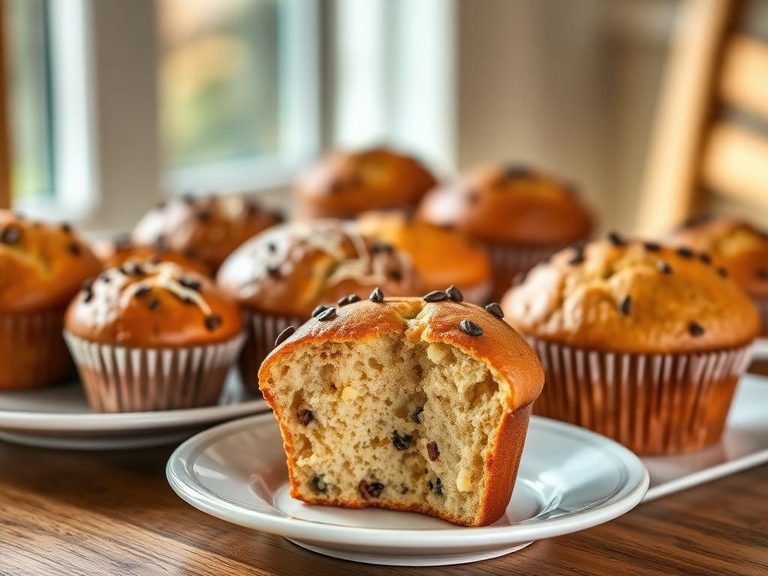
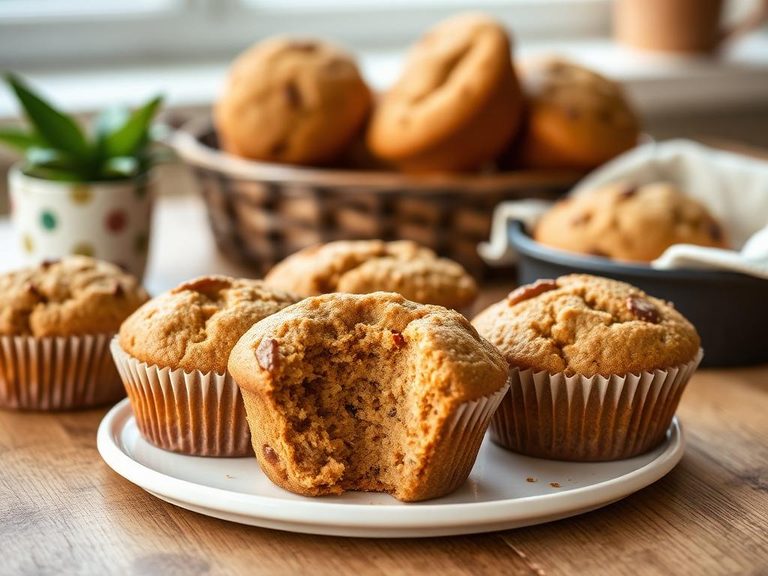
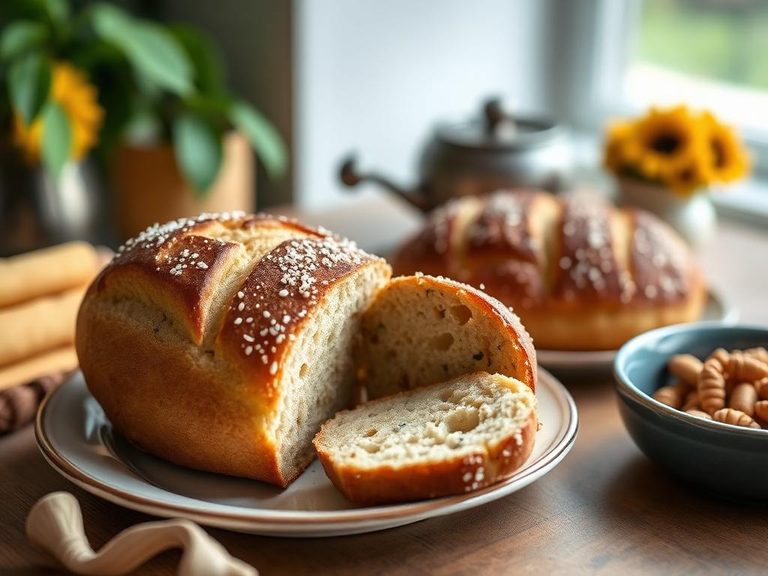
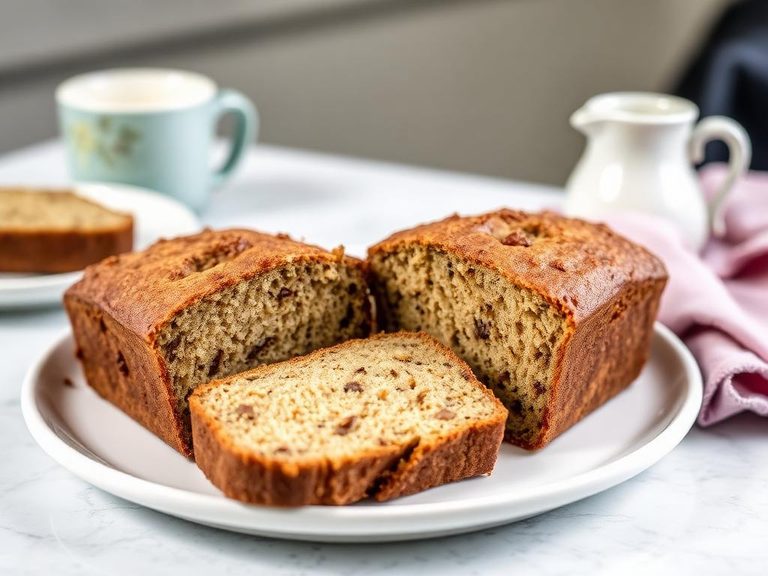
This refers to the practice of incorporating ingredients like fruits, vegetables, nuts, or spices into bread and muffin batters before baking. Common examples include banana bread, pumpkin muffins, or zucchini bread, which transform moist, flavorful additions into tender, baked goods enjoyed worldwide.
🍳 View the full Baked into breads and muffins recipe →
🍽️ Nutrition at a glance
These baked goods are typically high in carbohydrates from flour and sugars, with moderate fat from oils or butter, and can offer some protein and fiber depending on the specific ingredients used. A standard slice or muffin generally ranges from 200 to 400 calories, providing quick energy along with nutrients like potassium (from bananas) or vitamin A (from pumpkin).
Nutrition breakdown
| Calories | 340 kcal |
| Protein | 5 g |
| Carbs | 48 g |
| Fat | 14 g |
| Fiber | 2 g |
| Sugar | 22 g |
| Sodium | 320 mg |
| Iron | 2.1 mg |
| Calcium | 95 mg |
| Potassium | 120 mg |
| Thiamin (B1) | 0.2 mg |
| Riboflavin (B2) | 0.1 mg |
| Niacin (B3) | 1.8 mg |
| Folate | 60 mcg |
| Phosphorus | 80 mg |
Per 1 medium muffin (113 g) · estimated, varies by recipe
💡 What's interesting
Baking produce into breads and muffins is a clever culinary tradition that extends the shelf life of seasonal ingredients while adding natural moisture and sweetness, reducing the need for excess sugar. Nutritionally, it's a practical way to incorporate vegetables and fruits into diets, especially for children or picky eaters, blending comfort food with hidden nutrients.
🍽️ Related dishes
AI estimate may be inaccurate · Terms