

Frozen yogurt cone, vanilla, waffle cone
Common food

Photo: Wikipedia
A classic frozen treat where smooth, tangy vanilla frozen yogurt is swirled into a crisp, sweet waffle cone. The contrast between the cold, creamy yogurt and the crunchy, honeyed cone is the main event. Nutritionally, it's a lighter dessert option, with its protein content helping to slightly balance the significant sugar load.
Calorie split: 9% protein · 69% carbs · 22% fat
↓ Full nutrition💚 Why it's loved
People love the nostalgic, satisfying combination of a creamy, cold swirl with a crunchy, edible cone that's both a vessel and a treat. It's a customizable, portable dessert that feels like a special occasion, perfect for warm weather.
⚠️ Watch-outs & how to enjoy it better
The high sugar content (over 20g per 100g) can lead to blood-sugar spikes, and the waffle cone is a common source of gluten and potential allergens like eggs. To enjoy it more mindfully, consider sharing a single serving, opting for a smaller cone, or pairing it with a handful of nuts to add protein and fat, which can slow sugar absorption.
Key benefits
- Provides calcium and phosphorus from the dairy base.
- Contains live probiotic cultures (in some brands) for gut health.
- Offers a quick source of energy from carbohydrates.
- The waffle cone adds a satisfying textural contrast.
- Generally lower in fat than traditional ice cream.
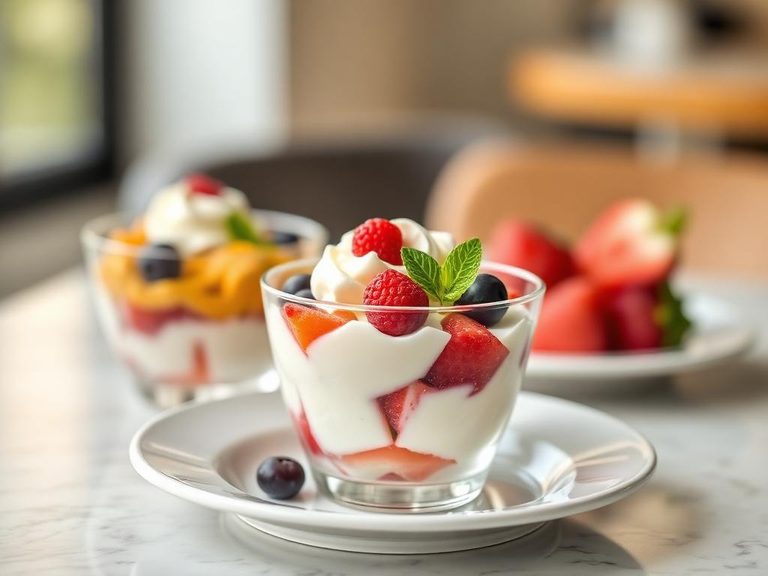
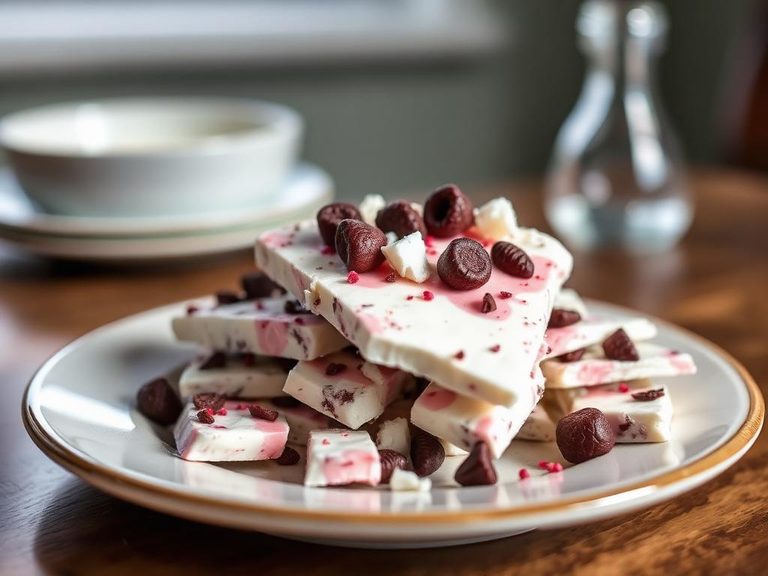
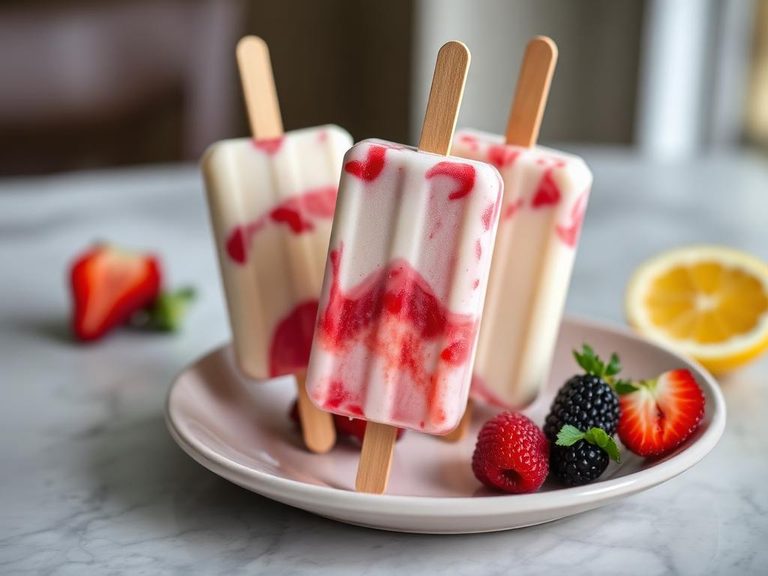
🍽️ Popular dishes



🌍 Where it's eaten
💡 Did you know?
The waffle cone was reportedly invented by accident at the 1904 St. Louis World's Fair when a Syrian pastry maker ran out of dishes and rolled his waffles to hold ice cream.
Full nutrition (USDA data · scales with serving)
| Water | 67.2 g |
| Energy | 143 kcal |
| Protein | 3.3 g |
| Total lipid (fat) | 3.6 g |
| Carbohydrate, by difference | 25.3 g |
| Fiber, total dietary | 0.10 g |
| Total Sugars | 20.3 g |
| Calcium, Ca | 97.0 mg |
| Iron, Fe | 0.69 mg |
| Magnesium, Mg | 11.0 mg |
| Phosphorus, P | 90.0 mg |
| Potassium, K | 155 mg |
| Sodium, Na | 77.0 mg |
| Zinc, Zn | 0.31 mg |
| Copper, Cu | 0.02 mg |
| Selenium, Se | 2.1 ug |
| Vitamin C, total ascorbic acid | 0.70 mg |
| Thiamin | 0.07 mg |
| Riboflavin | 0.19 mg |
| Niacin | 0.36 mg |
| Vitamin B-6 | 0.04 mg |
| Folate, total | 12.0 ug |
| Folic acid | 8.0 ug |
| Folate, food | 4.0 ug |
| Folate, DFE | 18.0 ug |
| Choline, total | 22.2 mg |
| Vitamin B-12 | 0.07 ug |
| Vitamin B-12, added | 0.00 ug |
| Vitamin A, RAE | 46.0 ug |
| Retinol | 45.0 ug |
| Carotene, beta | 8.0 ug |
| Carotene, alpha | 0.00 ug |
| Cryptoxanthin, beta | 0.00 ug |
| Lycopene | 0.00 ug |
| Lutein + zeaxanthin | 1.0 ug |
| Vitamin E (alpha-tocopherol) | 0.09 mg |
| Vitamin E, added | 0.00 mg |
| Vitamin D (D2 + D3) | 0.10 ug |
| Vitamin K (phylloquinone) | 0.40 ug |
| Alcohol, ethyl | 0.00 g |
| Caffeine | 0.00 mg |
| Theobromine | 0.00 mg |
Fat & fatty acid profile (per 100g)
| Fatty acids, total saturated | 2.2 g |
| SFA 4:0 | 0.10 g |
| SFA 6:0 | 0.07 g |
| SFA 8:0 | 0.04 g |
| SFA 10:0 | 0.09 g |
| SFA 12:0 | 0.12 g |
| SFA 14:0 | 0.35 g |
| SFA 16:0 | 0.95 g |
| SFA 18:0 | 0.34 g |
| Fatty acids, total monounsaturated | 1.0 g |
| MUFA 16:1 | 0.07 g |
| MUFA 18:1 | 0.86 g |
| MUFA 20:1 | 0.00 g |
| MUFA 22:1 | 0.00 g |
| Fatty acids, total polyunsaturated | 0.18 g |
| PUFA 18:2 | 0.14 g |
| PUFA 18:3 | 0.04 g |
| PUFA 18:4 | 0.00 g |
| PUFA 20:4 | 0.00 g |
| PUFA 20:5 n-3 (EPA) | 0.00 g |
| PUFA 22:5 n-3 (DPA) | 0.00 g |
| PUFA 22:6 n-3 (DHA) | 0.00 g |
| Cholesterol | 12.0 mg |
FAQ
Is frozen yogurt healthier than ice cream?
It can be, as it often has less fat and may contain probiotics. However, many commercial varieties have similar or even higher sugar content than ice cream. Always check the nutrition label.
Can I eat this if I'm lactose intolerant?
Traditional frozen yogurt contains dairy and lactose. Some brands offer lactose-free versions, but the waffle cone itself is typically dairy-free. A severe allergy would require avoiding the yogurt component.
Why does my frozen yogurt taste more sour than ice cream?
That tangy flavor comes from the live bacterial cultures (like Lactobacillus) used in fermentation, which convert lactose into lactic acid, similar to Greek yogurt or kefir.
Nutrient density (calculated · NRF9.3)
Nutrient Rich Foods index: beneficial nutrients (protein, fiber, vitamins, minerals) minus saturated fat, added sugar & sodium, per 100 kcal.
NRF9.3 index — Fulgoni, Keast & Drewnowski, 2009. Computed from USDA nutrients.
Weight-loss friendliness (composite index)
Energy density 1.43 kcal/g · 9% calories from protein · 0.1 g fiber · 20.3 g sugar per 100 g.
Composite of energy density (Rolls et al., 1999), protein & fiber satiety, minus sugar. A calculated heuristic — ranks satiety-per-calorie, not a clinical measure.
Dietary load (calculated from USDA values)
Potential renal acid load. Positive = acid-forming, negative = alkaline-forming.
Sodium-to-potassium ratio: 0.50 (lower is better — aim for ≤ 1)
Sodium:potassium per WHO potassium guidance. Computed from USDA nutrients.