

French or Catalina dressing
Common food

Photo: Wikipedia
French or Catalina dressing is a vibrant, sweet-and-tangy salad dressing with a glossy, pourable texture and a signature bright orange-red hue from tomato paste and paprika. It's an emulsion of oil, vinegar, and sweeteners, delivering a bold, zesty flavor profile. Nutritionally, it's a high-fat, high-sugar condiment, providing nearly all its calories from fat and added sugars.
Calorie split: 1% protein · 17% carbs · 82% fat
↓ Full nutrition💚 Why it's loved
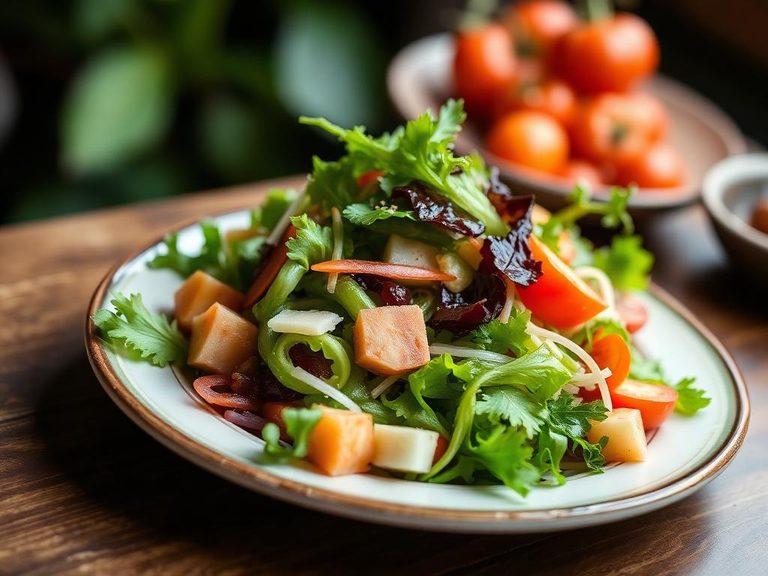
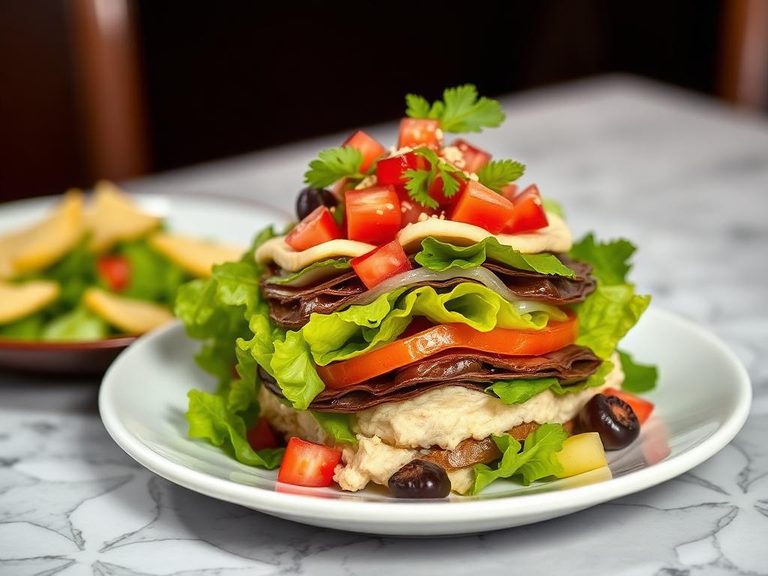
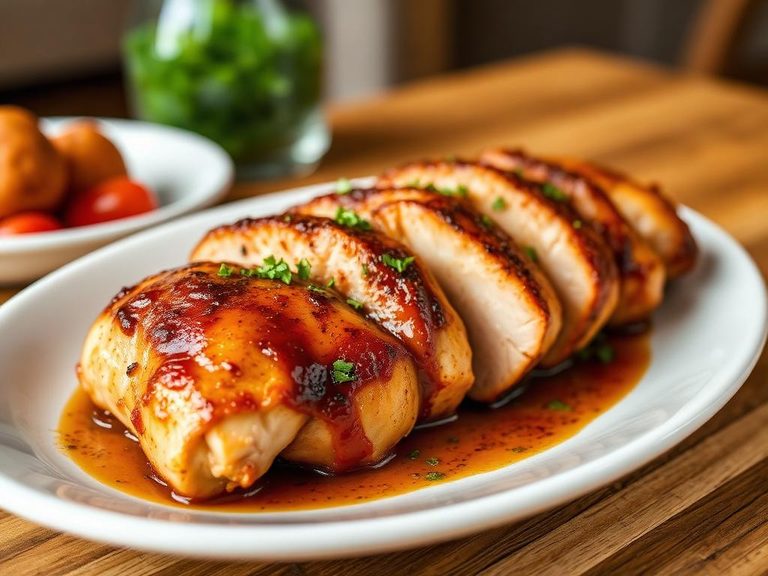
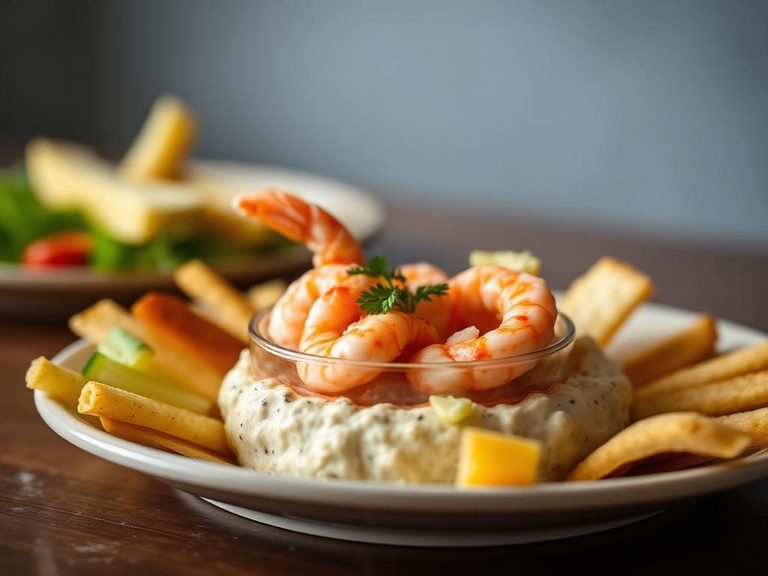
People love it for its uniquely American, nostalgic flavor—a perfect balance of sweet, tangy, and savory that instantly elevates a simple garden salad. Its versatility extends beyond salads as a popular marinade for chicken, a glaze for roasted vegetables, or a dip for appetizers.
⚠️ Watch-outs & how to enjoy it better
Its high sugar and fat content can contribute to blood-sugar spikes and excess calorie intake, making it a concern for those managing diabetes or weight. To enjoy it mindfully, practice strict portion control (e.g., using a measured tablespoon), or dilute it with plain yogurt or vinegar to reduce calories and sugar while maintaining tang. Pairing it with a protein-rich main dish can also help balance the glycemic impact.
Key benefits
- Adds significant flavor to plain salads and vegetables
- Can make nutrient-dense but bland foods more palatable
- Provides quick energy from its carbohydrate content
- The oil base aids in absorption of fat-soluble vitamins (A, D, E, K) from salad greens
- A staple of classic American diner and home cooking culture
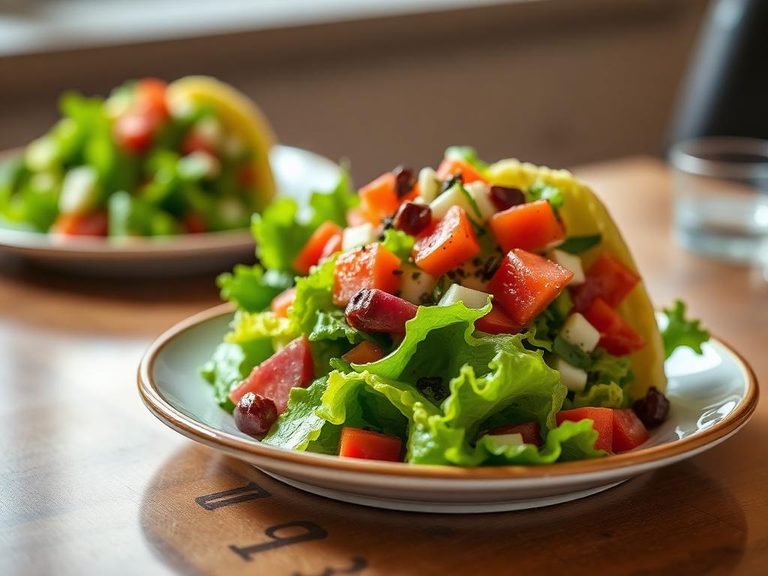
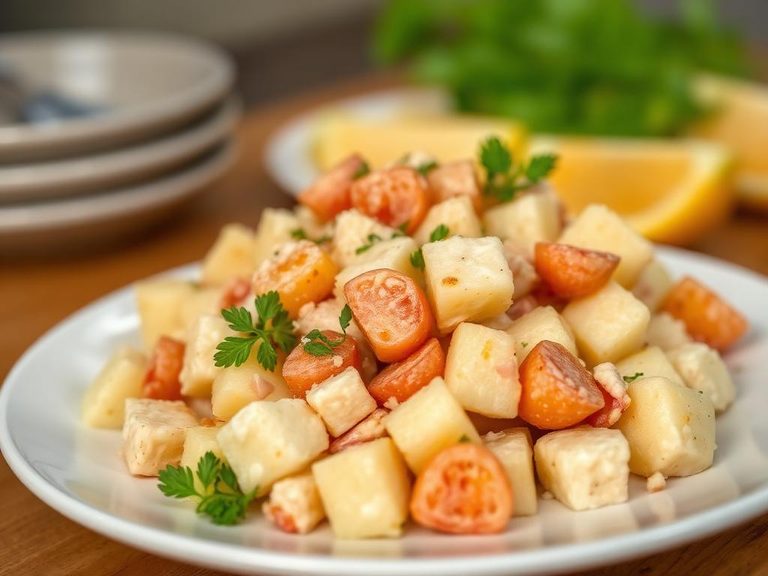
🍽️ Popular dishes
🌍 Where it's eaten
💡 Did you know?
The bright red-orange color of Catalina dressing, which distinguishes it from its cousin French dressing, comes primarily from tomato paste and paprika, not from tomatoes alone.
Full nutrition (USDA data · scales with serving)
| Water | 39.3 g |
| Energy | 419 kcal |
| Protein | 0.87 g |
| Total lipid (fat) | 39.1 g |
| Carbohydrate, by difference | 18.8 g |
| Fiber, total dietary | 2.4 g |
| Total Sugars | 17.4 g |
| Calcium, Ca | 27.0 mg |
| Iron, Fe | 0.32 mg |
| Magnesium, Mg | 7.0 mg |
| Phosphorus, P | 25.0 mg |
| Potassium, K | 108 mg |
| Sodium, Na | 661 mg |
| Zinc, Zn | 0.12 mg |
| Copper, Cu | 0.02 mg |
| Selenium, Se | 0.00 ug |
| Vitamin C, total ascorbic acid | 0.00 mg |
| Thiamin | 0.04 mg |
| Riboflavin | 0.06 mg |
| Niacin | 0.23 mg |
| Vitamin B-6 | 0.04 mg |
| Folate, total | 0.00 ug |
| Folic acid | 0.00 ug |
| Folate, food | 0.00 ug |
| Folate, DFE | 0.00 ug |
| Choline, total | 4.6 mg |
| Vitamin B-12 | 0.14 ug |
| Vitamin B-12, added | 0.00 ug |
| Vitamin A, RAE | 23.0 ug |
| Retinol | 0.00 ug |
| Carotene, beta | 232 ug |
| Carotene, alpha | 0.00 ug |
| Cryptoxanthin, beta | 92.0 ug |
| Lycopene | 373 ug |
| Lutein + zeaxanthin | 0.00 ug |
| Vitamin E (alpha-tocopherol) | 5.0 mg |
| Vitamin E, added | 0.00 mg |
| Vitamin D (D2 + D3) | 0.00 ug |
| Vitamin K (phylloquinone) | 121 ug |
| Alcohol, ethyl | 0.00 g |
| Caffeine | 0.00 mg |
| Theobromine | 0.00 mg |
Fat & fatty acid profile (per 100g)
| Fatty acids, total saturated | 6.1 g |
| SFA 4:0 | 0.02 g |
| SFA 6:0 | 0.00 g |
| SFA 8:0 | 0.00 g |
| SFA 10:0 | 0.00 g |
| SFA 12:0 | 0.00 g |
| SFA 14:0 | 0.03 g |
| SFA 16:0 | 4.1 g |
| SFA 18:0 | 1.6 g |
| Fatty acids, total monounsaturated | 8.9 g |
| MUFA 16:1 | 0.03 g |
| MUFA 18:1 | 8.6 g |
| MUFA 20:1 | 0.19 g |
| MUFA 22:1 | 0.05 g |
| Fatty acids, total polyunsaturated | 23.0 g |
| PUFA 18:2 | 20.0 g |
| PUFA 18:3 | 2.9 g |
| PUFA 18:4 | 0.00 g |
| PUFA 20:4 | 0.01 g |
| PUFA 20:5 n-3 (EPA) | 0.00 g |
| PUFA 22:5 n-3 (DPA) | 0.00 g |
| PUFA 22:6 n-3 (DHA) | 0.00 g |
| Cholesterol | 0.00 mg |
FAQ
What's the difference between French and Catalina dressing?
They are very similar sweet-and-tangy emulsions. The main difference is that Catalina is typically thinner, more pourable, and has a more pronounced tomato and paprika flavor, giving it a brighter red-orange color. French dressing can be thicker and sometimes includes a hint of mustard or other spices.
Is this dressing gluten-free?
Most commercial brands are gluten-free, as their primary ingredients are oil, vinegar, sugar, and spices. However, it's always essential to check the label for potential cross-contamination or added ingredients like malt vinegar (derived from barley) if you have celiac disease or severe gluten sensitivity.
Can I use it as a cooking sauce or marinade?
Yes, it's excellent as a marinade for chicken, pork, or tofu, where its sugar content helps with caramelization. It can also be used as a glaze for roasted vegetables or as a base for a quick barbecue-style sauce. Avoid using it for high-heat, long-duration cooking, as the sugars can burn.
Nutrient density (calculated · NRF9.3)
Nutrient Rich Foods index: beneficial nutrients (protein, fiber, vitamins, minerals) minus saturated fat, added sugar & sodium, per 100 kcal.
NRF9.3 index — Fulgoni, Keast & Drewnowski, 2009. Computed from USDA nutrients.
Weight-loss friendliness (composite index)
Energy density 4.19 kcal/g · 1% calories from protein · 2.4 g fiber · 17.4 g sugar per 100 g.
Composite of energy density (Rolls et al., 1999), protein & fiber satiety, minus sugar. A calculated heuristic — ranks satiety-per-calorie, not a clinical measure.
Dietary load (calculated from USDA values)
Potential renal acid load. Positive = acid-forming, negative = alkaline-forming.
Sodium-to-potassium ratio: 6.12 (lower is better — aim for ≤ 1)
Sodium:potassium per WHO potassium guidance. Computed from USDA nutrients.