

Drumstick leaves, raw
Whole food · Vegetables and Vegetable Products

Photo: Wikipedia
Drumstick leaves, also known as Moringa leaves, are the vibrant, peppery greens of the Moringa oleifera tree, often called the 'miracle tree' for its incredible nutrient density. They have a slightly bitter, earthy flavor with a hint of horseradish or green bean, and a delicate, tender texture when fresh. Nutritionally, they are a powerhouse, packing an impressive 9.4g of protein per 100g, along with significant fiber and minimal fat, making them one of the most protein-rich leafy greens available.
Calorie split: 45% protein · 40% carbs · 15% fat
↓ Full nutrition💚 Why it's loved
People love drumstick leaves for their unique, peppery flavor that adds depth to soups, stews, and curries. They are a cornerstone of many traditional cuisines, valued for their ability to boost the nutritional profile of simple dishes without overpowering them.
⚠️ Watch-outs & how to enjoy it better
The leaves can have a slightly bitter or astringent taste that some find off-putting, especially if not cooked properly. To counteract this, they are often sautéed with aromatics like garlic and onion or added to rich, coconut-based curries. Individuals on blood-thinning medications should consult a doctor, as Moringa leaves contain Vitamin K, which can affect blood clotting. A concrete tip is to start with small portions to see how your body reacts.
Key benefits
- Exceptionally high in protein for a leafy green (9.4g per 100g).
- Rich in fiber (2g per 100g) to support digestive health.
- Very low in calories (64 kcal per 100g) and fat (1.4g).
- Contains a broad spectrum of vitamins and minerals, including iron and calcium.
- The leaves are a sustainable, fast-growing food source.
🍽️ Popular dishes
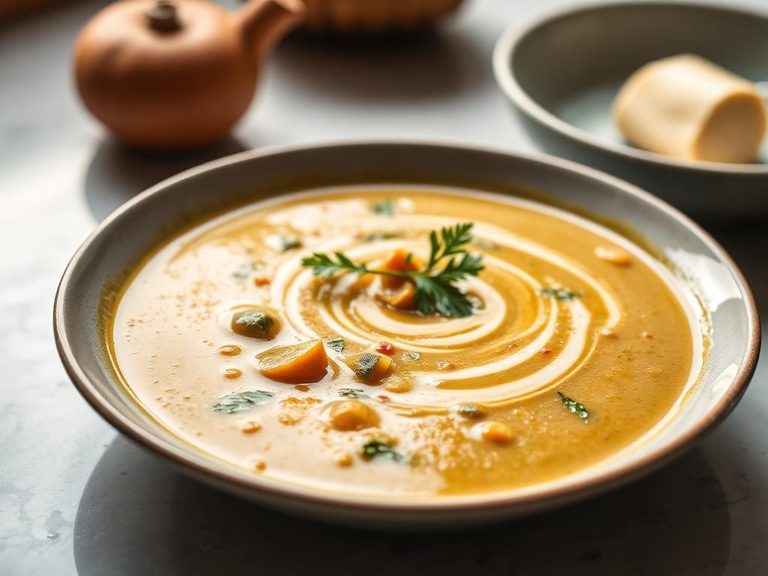 Moringa soup (a staple in South Indian and Filipino cuisine)
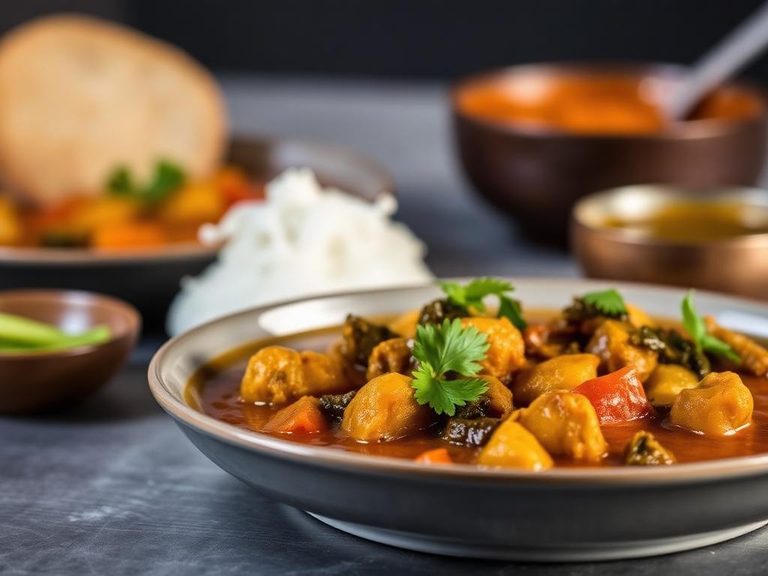 Drumstick leaf curry (common in Sri Lankan and South Indian cooking)
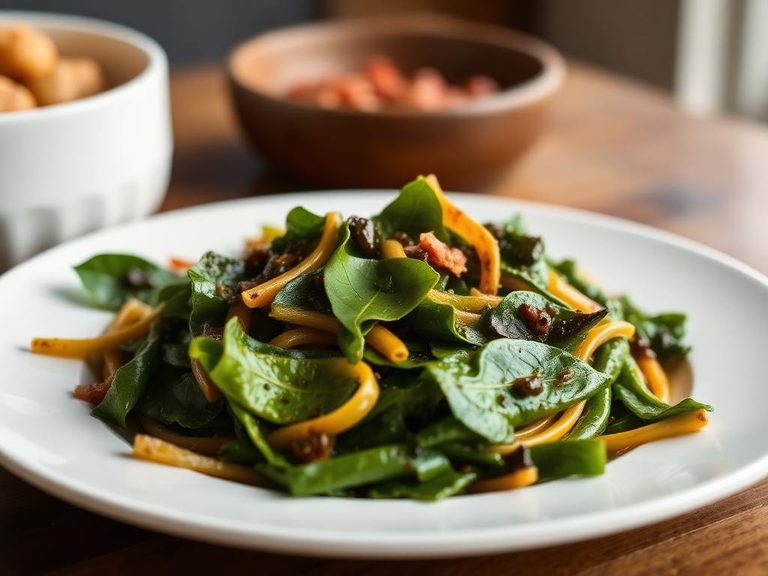 Moringa leaf stir-fry (popular in Thai and Vietnamese dishes)
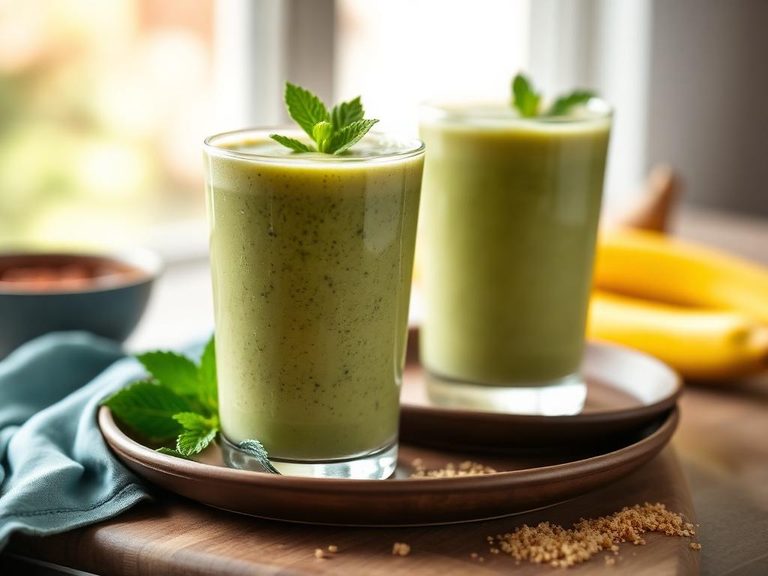 Moringa powder smoothies (a modern health food trend)
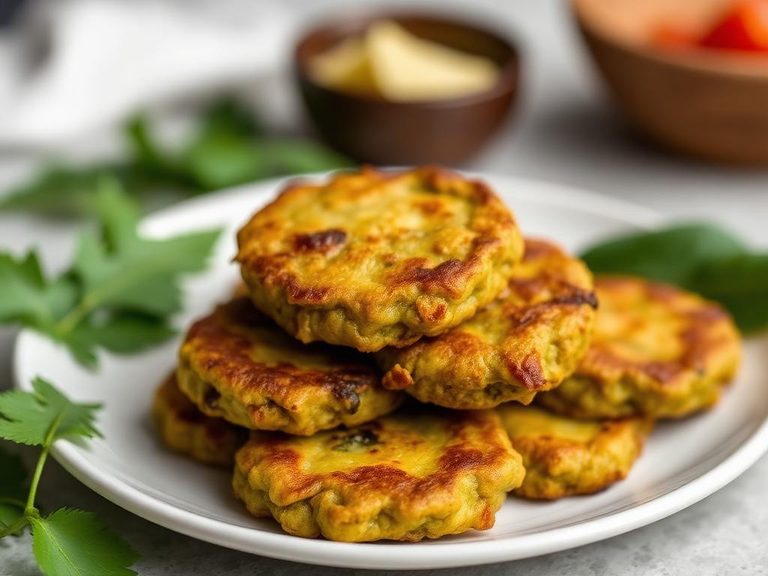 Moringa leaf fritters (a snack in some West African regions)
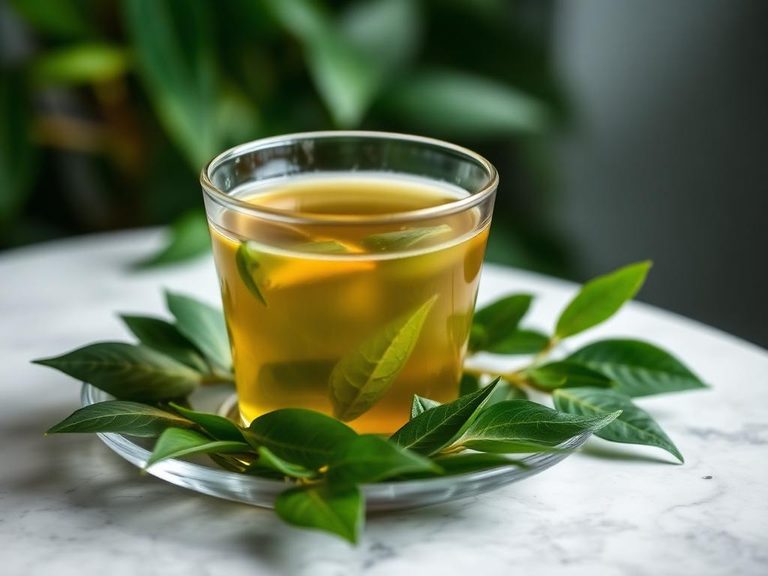 Moringa leaf tea (a traditional herbal beverage)
🌍 Where it's eaten
💡 Did you know?
The Moringa tree is sometimes called the 'drumstick tree' because its long, slender seed pods resemble drumsticks and are also edible.
Full nutrition (USDA data · scales with serving)
| Water | 78.7 g |
| Energy | 64.0 kcal |
| Energy | 268 kj |
| Protein | 9.4 g |
| Total lipid (fat) | 1.4 g |
| Ash | 2.3 g |
| Carbohydrate, by difference | 8.3 g |
| Fiber, total dietary | 2.0 g |
| Calcium, Ca | 185 mg |
| Iron, Fe | 4.0 mg |
| Magnesium, Mg | 42.0 mg |
| Phosphorus, P | 112 mg |
| Potassium, K | 337 mg |
| Sodium, Na | 9.0 mg |
| Zinc, Zn | 0.60 mg |
| Copper, Cu | 0.10 mg |
| Manganese, Mn | 1.1 mg |
| Selenium, Se | 0.90 ug |
| Vitamin C, total ascorbic acid | 51.7 mg |
| Thiamin | 0.26 mg |
| Riboflavin | 0.66 mg |
| Niacin | 2.2 mg |
| Pantothenic acid | 0.13 mg |
| Vitamin B-6 | 1.2 mg |
| Folate, total | 40.0 ug |
| Folic acid | 0.00 ug |
| Folate, food | 40.0 ug |
| Folate, DFE | 40.0 ug |
| Vitamin B-12 | 0.00 ug |
| Vitamin A, RAE | 378 ug |
| Retinol | 0.00 ug |
| Vitamin A, IU | 7564 iu |
| Vitamin D (D2 + D3), International Units | 0.00 iu |
| Vitamin D (D2 + D3) | 0.00 ug |
Fat & fatty acid profile (per 100g)
| Fatty acids, total trans | 0.00 g |
| Cholesterol | 0.00 mg |
Amino acid profile (per 100g)
| Tryptophan | 0.14 g |
| Threonine | 0.41 g |
| Isoleucine | 0.45 g |
| Leucine | 0.79 g |
| Lysine | 0.54 g |
| Methionine | 0.12 g |
| Cystine | 0.14 g |
| Phenylalanine | 0.49 g |
| Tyrosine | 0.35 g |
| Valine | 0.61 g |
| Arginine | 0.53 g |
| Histidine | 0.20 g |
| Alanine | 0.70 g |
| Aspartic acid | 0.92 g |
| Glutamic acid | 1.0 g |
| Glycine | 0.52 g |
| Proline | 0.45 g |
| Serine | 0.41 g |
FAQ
Are drumstick leaves the same as Moringa leaves?
Yes, drumstick leaves are the leaves of the Moringa oleifera tree, commonly known as Moringa. The name 'drumstick' comes from the tree's long, edible seed pods.
How do I reduce the bitterness of drumstick leaves?
To reduce bitterness, you can blanch the leaves briefly before cooking, sauté them with garlic and onions, or add them to a rich, coconut-based curry or stew.
Can I eat drumstick leaves raw?
While they can be eaten raw, they are often cooked to soften their texture and mellow their flavor. If eating raw, use young, tender leaves and add them to salads or smoothies.
Are drumstick leaves safe for everyone?
Generally, they are safe for most people. However, individuals on blood-thinning medications should consult a doctor due to the leaves' Vitamin K content. Pregnant women should also consult a healthcare provider.
Nutrient density (calculated · NRF9.3)
Nutrient Rich Foods index: beneficial nutrients (protein, fiber, vitamins, minerals) minus saturated fat, added sugar & sodium, per 100 kcal.
NRF9.3 index — Fulgoni, Keast & Drewnowski, 2009. Computed from USDA nutrients.
Weight-loss friendliness (composite index)
Energy density 0.64 kcal/g · 59% calories from protein · 2.0 g fiber · 0.0 g sugar per 100 g.
Composite of energy density (Rolls et al., 1999), protein & fiber satiety, minus sugar. A calculated heuristic — ranks satiety-per-calorie, not a clinical measure.
Dietary load (calculated from USDA values)
Potential renal acid load. Positive = acid-forming, negative = alkaline-forming.
Sodium-to-potassium ratio: 0.03 (lower is better — aim for ≤ 1)
Sodium:potassium per WHO potassium guidance. Computed from USDA nutrients.