

Cress, garden, cooked, boiled, drained, with salt
Whole food · Vegetables and Vegetable Products

Photo: Wikipedia
Garden cress, when cooked and drained, transforms into a tender, peppery green with a delicate, slightly mustardy bite. Its vibrant color and soft texture make it a surprisingly elegant addition to simple dishes. Nutritionally, it's a low-calorie powerhouse, delivering a notable amount of vitamin K and vitamin C for its size.
Calorie split: 27% protein · 54% carbs · 19% fat
↓ Full nutrition💚 Why it's loved
People adore its distinctive, zesty pepperiness that can elevate a dish without overwhelming it. It's cherished for its versatility, used as a fresh herb, a cooked green, or a garnish, and is a staple in British and Northern European spring cuisine.
⚠️ Watch-outs & how to enjoy it better
The strong, peppery flavor can be intense for some palates, and its high vitamin K content is a consideration for individuals on blood-thinning medications. To enjoy it, start with a small portion to assess tolerance, and if concerned about vitamin K, maintain a consistent daily intake rather than avoiding it entirely.
Key benefits
- Excellent source of vitamin K for bone health.
- Provides a good dose of vitamin C, an antioxidant.
- Very low in calories, supporting weight management.
- Contains glucosinolates, compounds studied for their potential health benefits.
- Offers dietary fiber for digestive health.
🍽️ Popular dishes

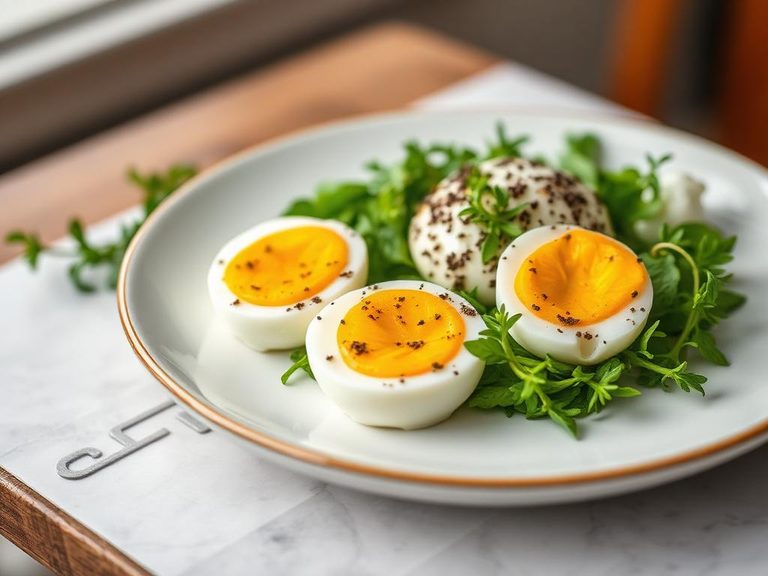
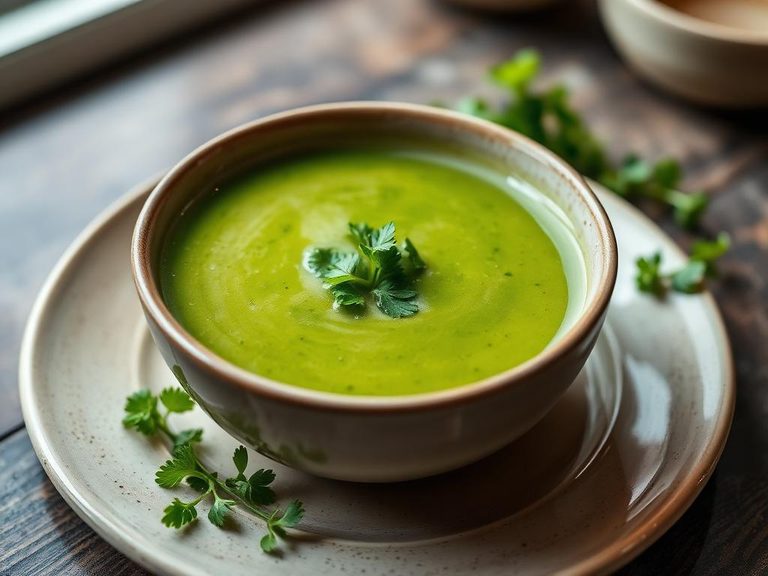
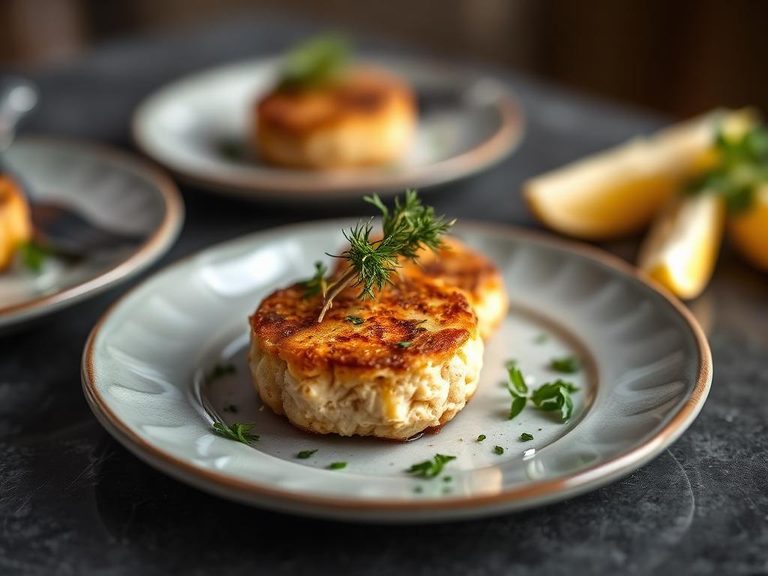
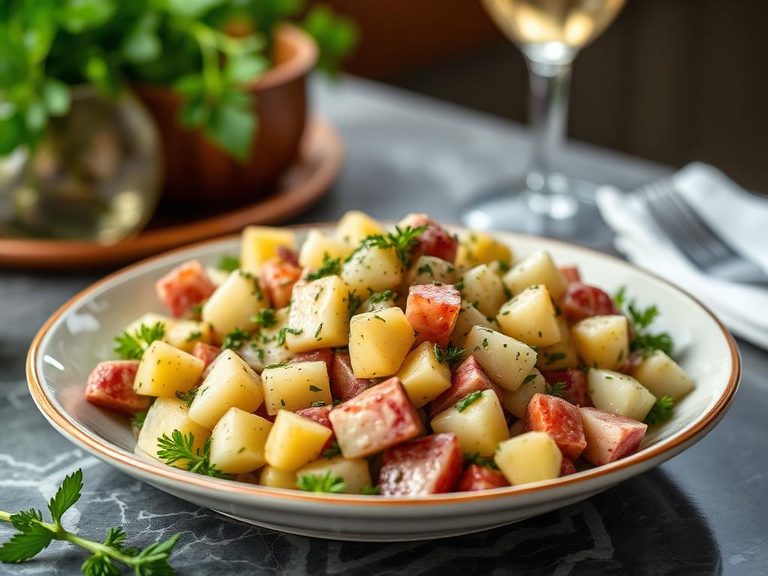
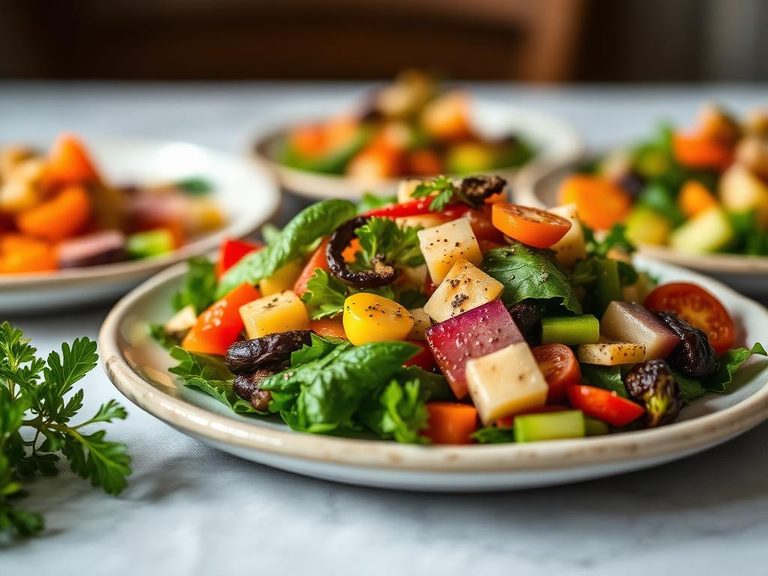
🌍 Where it's eaten
💡 Did you know?
Garden cress is a fast-growing sprout, often ready to harvest in just 7-14 days, making it a popular choice for windowsill gardening.
Full nutrition (USDA data · scales with serving)
| Water | 92.5 g |
| Energy | 23.0 kcal |
| Energy | 96.0 kj |
| Protein | 1.9 g |
| Total lipid (fat) | 0.60 g |
| Ash | 1.2 g |
| Carbohydrate, by difference | 3.8 g |
| Fiber, total dietary | 0.70 g |
| Total Sugars | 3.1 g |
| Calcium, Ca | 61.0 mg |
| Iron, Fe | 0.80 mg |
| Magnesium, Mg | 26.0 mg |
| Phosphorus, P | 48.0 mg |
| Potassium, K | 353 mg |
| Sodium, Na | 244 mg |
| Zinc, Zn | 0.15 mg |
| Copper, Cu | 0.11 mg |
| Manganese, Mn | 0.37 mg |
| Selenium, Se | 0.90 ug |
| Vitamin C, total ascorbic acid | 23.0 mg |
| Thiamin | 0.06 mg |
| Riboflavin | 0.16 mg |
| Niacin | 0.80 mg |
| Pantothenic acid | 0.16 mg |
| Vitamin B-6 | 0.16 mg |
| Folate, total | 37.0 ug |
| Folic acid | 0.00 ug |
| Folate, food | 37.0 ug |
| Folate, DFE | 37.0 ug |
| Choline, total | 13.8 mg |
| Vitamin B-12 | 0.00 ug |
| Vitamin B-12, added | 0.00 ug |
| Vitamin A, RAE | 232 ug |
| Retinol | 0.00 ug |
| Carotene, beta | 2790 ug |
| Carotene, alpha | 0.00 ug |
| Cryptoxanthin, beta | 0.00 ug |
| Vitamin A, IU | 4649 iu |
| Lycopene | 0.00 ug |
| Lutein + zeaxanthin | 8402 ug |
| Vitamin E (alpha-tocopherol) | 0.50 mg |
| Vitamin E, added | 0.00 mg |
| Vitamin D (D2 + D3), International Units | 0.00 iu |
| Vitamin D (D2 + D3) | 0.00 ug |
| Vitamin K (phylloquinone) | 383 ug |
| Caffeine | 0.00 mg |
| Theobromine | 0.00 mg |
Fat & fatty acid profile (per 100g)
| Fatty acids, total saturated | 0.02 g |
| SFA 16:0 | 0.01 g |
| SFA 18:0 | 0.01 g |
| Fatty acids, total monounsaturated | 0.20 g |
| MUFA 18:1 | 0.07 g |
| MUFA 20:1 | 0.05 g |
| MUFA 22:1 | 0.08 g |
| Fatty acids, total polyunsaturated | 0.20 g |
| PUFA 18:2 | 0.13 g |
| PUFA 18:3 | 0.07 g |
| Fatty acids, total trans | 0.00 g |
| Cholesterol | 0.00 mg |
FAQ
What's the difference between garden cress and watercress?
They are different plants. Garden cress (Lepidium sativum) is a land cress with a more intense, mustard-like pepperiness. Watercress (Nasturtium officinale) is an aquatic plant with a milder, more rounded peppery flavor and rounder leaves.
Is cooked garden cress as nutritious as raw?
Cooking can reduce heat-sensitive nutrients like vitamin C, but it may make other nutrients more bioavailable. Garden cress is typically cooked very briefly, which helps retain most of its nutritional value, especially fat-soluble vitamins like vitamin K.
How do I store cooked garden cress?
Let it cool completely, then store in an airtight container in the refrigerator. It's best consumed within 2-3 days, as its delicate texture and flavor can degrade.
Nutrient density (calculated · NRF9.3)
Nutrient Rich Foods index: beneficial nutrients (protein, fiber, vitamins, minerals) minus saturated fat, added sugar & sodium, per 100 kcal.
NRF9.3 index — Fulgoni, Keast & Drewnowski, 2009. Computed from USDA nutrients.
Weight-loss friendliness (composite index)
Energy density 0.23 kcal/g · 33% calories from protein · 0.7 g fiber · 3.1 g sugar per 100 g.
Composite of energy density (Rolls et al., 1999), protein & fiber satiety, minus sugar. A calculated heuristic — ranks satiety-per-calorie, not a clinical measure.
Dietary load (calculated from USDA values)
Potential renal acid load. Positive = acid-forming, negative = alkaline-forming.
Sodium-to-potassium ratio: 0.69 (lower is better — aim for ≤ 1)
Sodium:potassium per WHO potassium guidance. Computed from USDA nutrients.