Corn, NS as to form, cooked
Common food
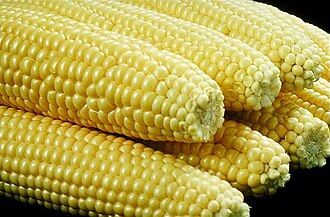
Photo: Wikipedia
Sweet corn kernels, cooked to a tender-crisp bite, burst with a sunny, milky sweetness and a satisfying pop. Nutritionally, it's a solid source of fiber and provides a notable amount of plant-based protein for a vegetable.
💚 Why it's loved
People adore its natural, comforting sweetness and the satisfying textural contrast of the juicy kernels. It's a beloved, versatile staple that evokes memories of summer barbecues, family dinners, and street-food stalls across the globe.
⚠️ Watch-outs & how to enjoy it better
Its natural sugars can cause a rapid blood-sugar spike, making portion control important for those managing diabetes. To counteract this, pair it with a source of protein (like black beans) or healthy fat (like avocado) to slow digestion. Also, be mindful of added butter or salt in preparations.
Key benefits
- Good source of dietary fiber for digestive health
- Provides plant-based protein for muscle maintenance
- Contains antioxidants like lutein and zeaxanthin for eye health
- Naturally gluten-free and low in fat
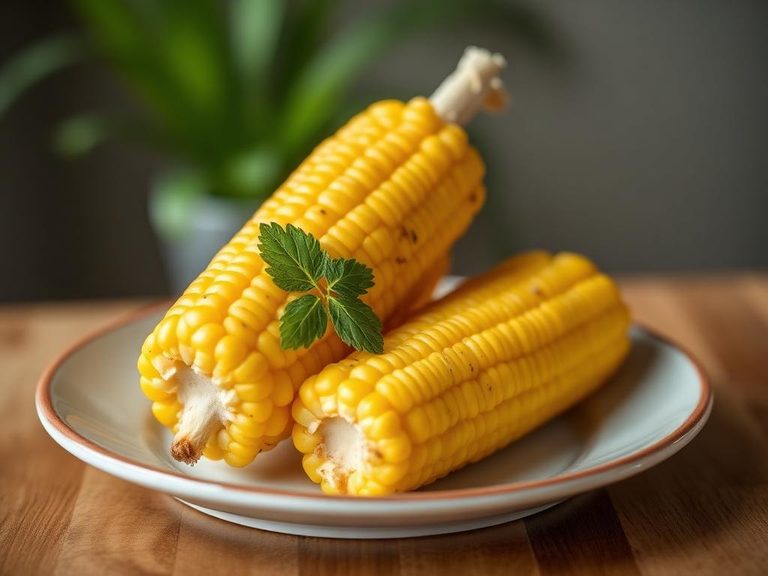
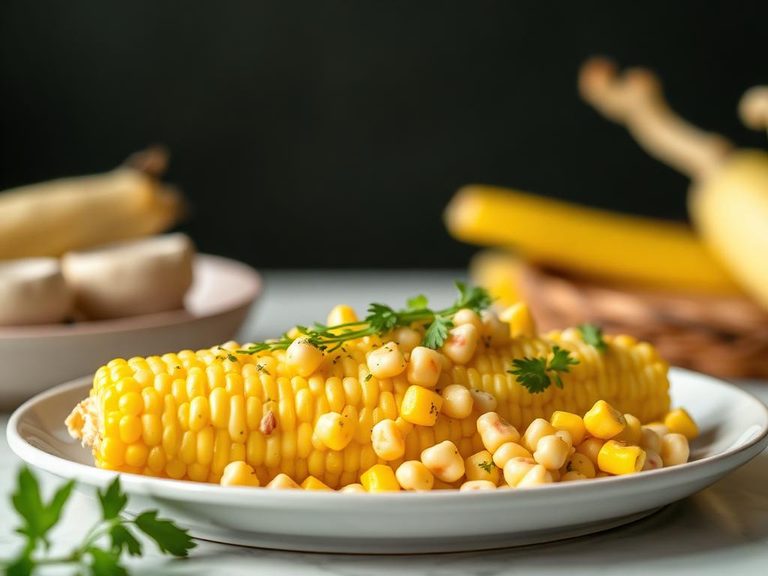
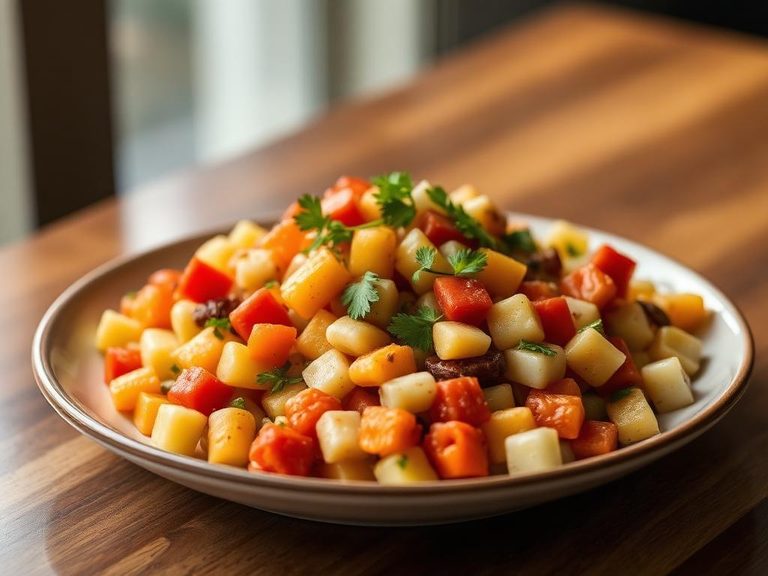
🍽️ Popular dishes
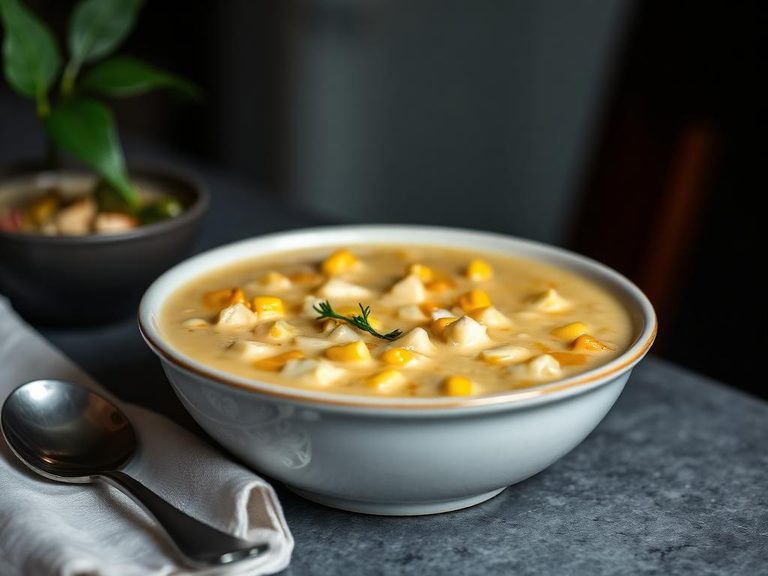
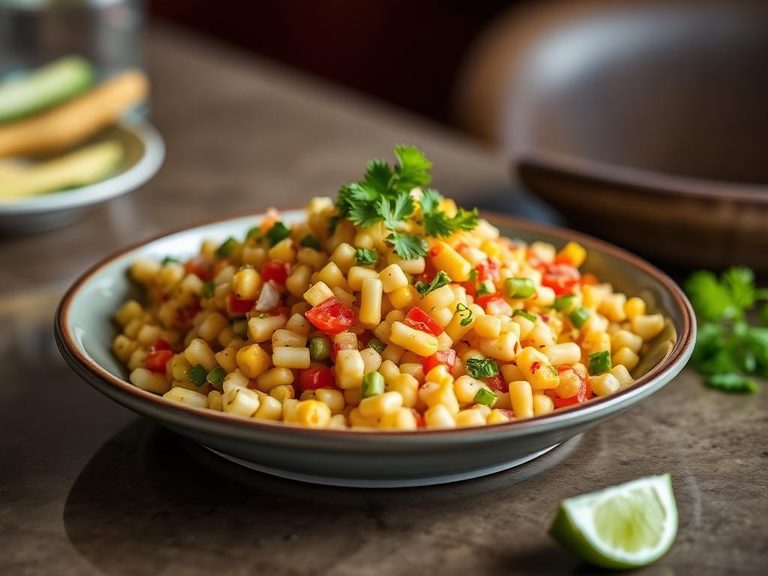
🌍 Where it's eaten
💡 Did you know?
An average ear of corn has about 800 kernels arranged in an even number of rows, and each silk thread corresponds to a single kernel.
Full nutrition (scales with serving)
| Water | 79.4 g |
| Energy | 88.0 kcal |
| Protein | 2.2 g |
| Total lipid (fat) | 3.7 g |
| Carbohydrate, by difference | 13.9 g |
| Fiber, total dietary | 1.9 g |
| Total Sugars | 4.3 g |
| Calcium, Ca | 3.0 mg |
| Iron, Fe | 0.26 mg |
| Magnesium, Mg | 13.0 mg |
| Phosphorus, P | 45.0 mg |
| Potassium, K | 129 mg |
| Sodium, Na | 208 mg |
| Zinc, Zn | 0.31 mg |
| Copper, Cu | 0.03 mg |
| Selenium, Se | 0.60 ug |
| Vitamin C, total ascorbic acid | 1.6 mg |
| Thiamin | 0.04 mg |
| Riboflavin | 0.09 mg |
| Niacin | 0.98 mg |
| Vitamin B-6 | 0.05 mg |
| Folate, total | 36.0 ug |
| Folic acid | 0.00 ug |
| Folate, food | 36.0 ug |
| Folate, DFE | 36.0 ug |
| Choline, total | 17.5 mg |
| Vitamin B-12 | 0.00 ug |
| Vitamin B-12, added | 0.00 ug |
| Vitamin A, RAE | 13.0 ug |
| Retinol | 11.0 ug |
| Carotene, beta | 19.0 ug |
| Carotene, alpha | 6.0 ug |
| Cryptoxanthin, beta | 19.0 ug |
| Lycopene | 0.00 ug |
| Lutein + zeaxanthin | 675 ug |
| Vitamin E (alpha-tocopherol) | 0.47 mg |
| Vitamin E, added | 0.00 mg |
| Vitamin D (D2 + D3) | 0.00 ug |
| Vitamin K (phylloquinone) | 2.1 ug |
| Fatty acids, total saturated | 0.91 g |
| SFA 4:0 | 0.02 g |
| SFA 6:0 | 0.01 g |
| SFA 8:0 | 0.01 g |
| SFA 10:0 | 0.02 g |
| SFA 12:0 | 0.02 g |
| SFA 14:0 | 0.07 g |
| SFA 16:0 | 0.55 g |
| SFA 18:0 | 0.17 g |
| Fatty acids, total monounsaturated | 1.3 g |
| MUFA 16:1 | 0.02 g |
| MUFA 18:1 | 1.2 g |
| MUFA 20:1 | 0.02 g |
| MUFA 22:1 | 0.00 g |
| Fatty acids, total polyunsaturated | 1.2 g |
| PUFA 18:2 | 1.1 g |
| PUFA 18:3 | 0.10 g |
| PUFA 18:4 | 0.00 g |
| PUFA 20:4 | 0.00 g |
| PUFA 20:5 n-3 (EPA) | 0.00 g |
| PUFA 22:5 n-3 (DPA) | 0.00 g |
| PUFA 22:6 n-3 (DHA) | 0.00 g |
| Cholesterol | 2.0 mg |
| Alcohol, ethyl | 0.00 g |
| Caffeine | 0.00 mg |
| Theobromine | 0.00 mg |
FAQ
Is sweet corn a vegetable or a grain?
Botanically, it's a whole grain (a fruit of the grass family), but nutritionally and culinarily, it's often treated as a starchy vegetable due to its carbohydrate content.
Does cooking corn reduce its sugar content?
Cooking can convert some of the corn's starches into sugars, which is why cooked sweet corn often tastes sweeter than raw. However, boiling can leach some water-soluble vitamins into the cooking water.
Is the fiber in corn soluble or insoluble?
Corn contains both types of fiber. The insoluble fiber (in the hull) aids digestion, while the soluble fiber (like pectin) can help regulate blood sugar and cholesterol levels.