

Cake or cupcake, gluten free
Common food
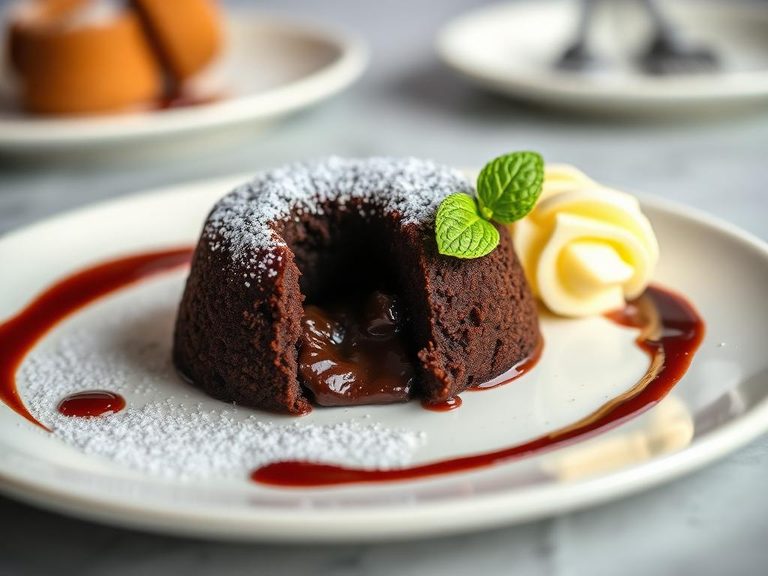
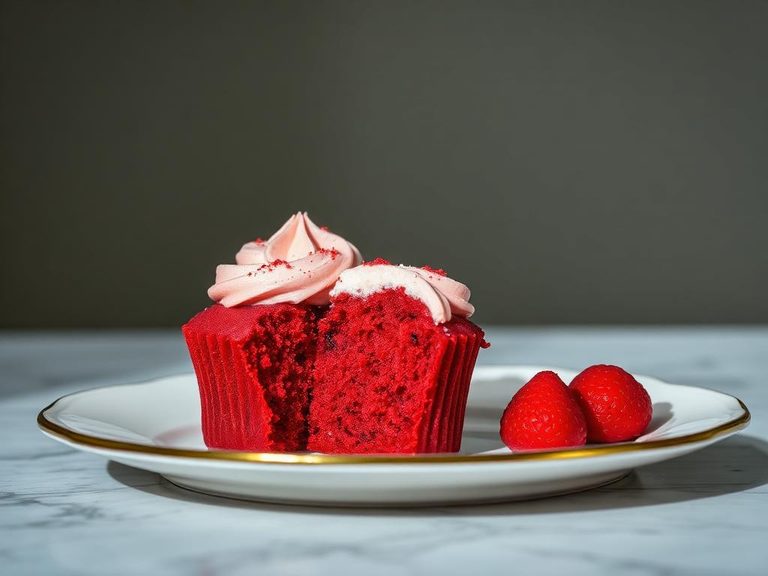
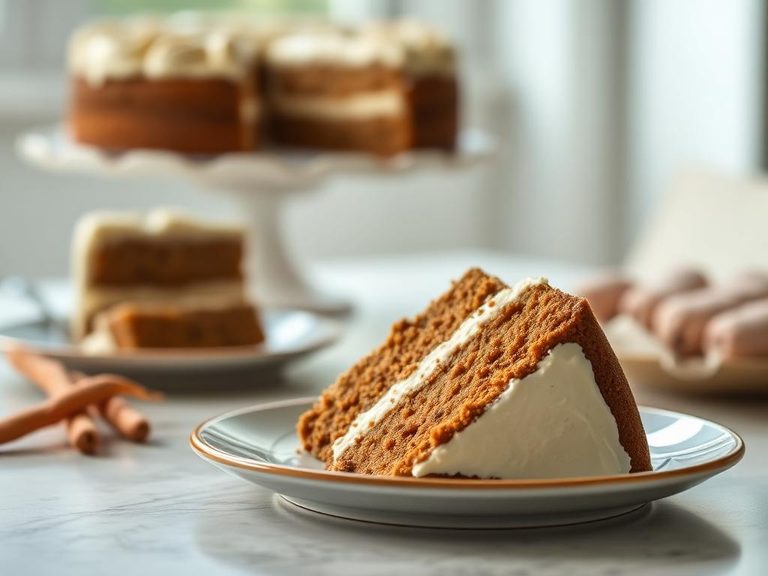
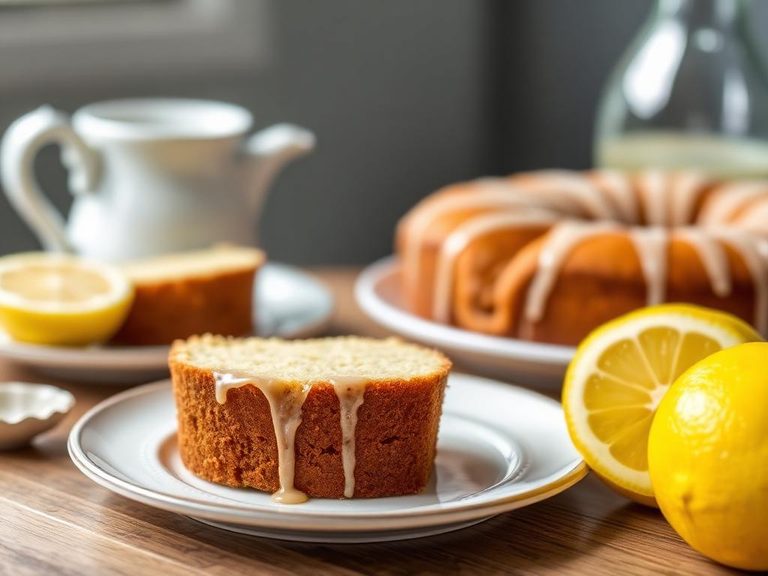
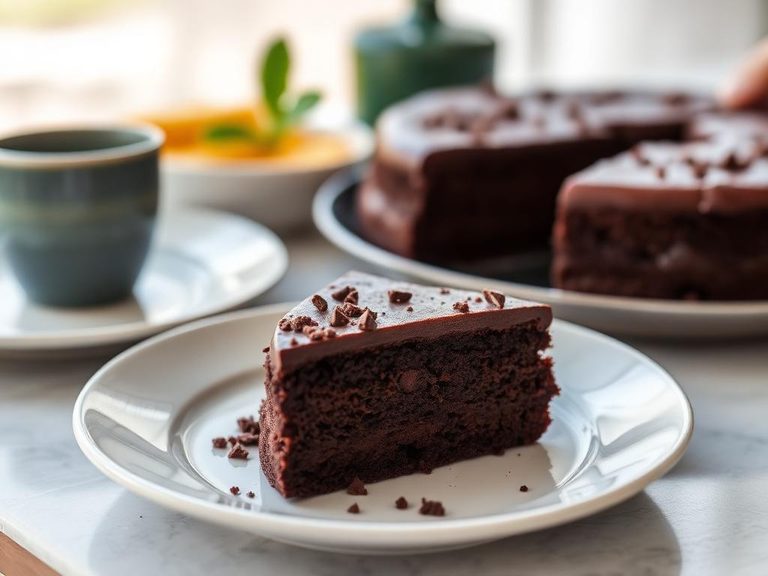
A gluten-free cake or cupcake is a moist, tender baked treat that uses alternative flours like almond, rice, or coconut to achieve a satisfying crumb without wheat. Its flavor profile is rich and sweet, often with a buttery or chocolatey depth, while the texture can range from dense and fudgy to light and spongy. Nutritionally, it's a calorie-dense indulgence, providing a significant source of fats and sugars per serving.
Calorie split: 4% protein · 35% carbs · 61% fat
↓ Full nutrition💚 Why it's loved
People love it for delivering the comforting, nostalgic taste and texture of classic cake without the gluten, making celebrations accessible and joyful. Its versatility allows for endless flavor variations, from rich chocolate to fruity vanilla, catering to diverse palates.
⚠️ Watch-outs & how to enjoy it better
The high sugar and fat content can lead to rapid blood-sugar spikes and may not suit those monitoring calorie intake or managing diabetes. It often contains common allergens like eggs, dairy, or tree nuts (from almond flour). To counteract, practice strict portion control, pair a small slice with a source of protein (like Greek yogurt) or healthy fat (like a handful of nuts) to slow sugar absorption, and always check labels for hidden allergens.
Key benefits
- Enables those with celiac disease or gluten sensitivity to enjoy traditional baked goods
- Often made with nutrient-dense alternative flours like almond or coconut flour
- Provides a quick source of energy from carbohydrates and fats
- Fosters inclusivity at social gatherings and celebrations
🍽️ Popular dishes

🌍 Where it's eaten
💡 Did you know?
The first commercially successful gluten-free bread was developed in 1955 by a Swiss baker, Dr. August Buehler, for a patient with celiac disease, paving the way for modern gluten-free baking.
Full nutrition (USDA data · scales with serving)
| Water | 26.7 g |
| Energy | 410 kcal |
| Protein | 4.9 g |
| Total lipid (fat) | 29.4 g |
| Carbohydrate, by difference | 37.9 g |
| Fiber, total dietary | 2.4 g |
| Total Sugars | 34.0 g |
| Calcium, Ca | 29.0 mg |
| Iron, Fe | 1.7 mg |
| Magnesium, Mg | 50.0 mg |
| Phosphorus, P | 102 mg |
| Potassium, K | 186 mg |
| Sodium, Na | 119 mg |
| Zinc, Zn | 0.98 mg |
| Copper, Cu | 0.29 mg |
| Selenium, Se | 9.3 ug |
| Vitamin C, total ascorbic acid | 0.00 mg |
| Thiamin | 0.04 mg |
| Riboflavin | 0.14 mg |
| Niacin | 0.17 mg |
| Vitamin B-6 | 0.03 mg |
| Folate, total | 19.0 ug |
| Folic acid | 0.00 ug |
| Folate, food | 19.0 ug |
| Folate, DFE | 19.0 ug |
| Choline, total | 77.1 mg |
| Vitamin B-12 | 0.20 ug |
| Vitamin B-12, added | 0.00 ug |
| Vitamin A, RAE | 179 ug |
| Retinol | 176 ug |
| Carotene, beta | 30.0 ug |
| Carotene, alpha | 0.00 ug |
| Cryptoxanthin, beta | 5.0 ug |
| Lycopene | 0.00 ug |
| Lutein + zeaxanthin | 129 ug |
| Vitamin E (alpha-tocopherol) | 0.36 mg |
| Vitamin E, added | 0.00 mg |
| Vitamin D (D2 + D3) | 0.70 ug |
| Vitamin K (phylloquinone) | 3.6 ug |
| Alcohol, ethyl | 0.00 g |
| Caffeine | 25.0 mg |
| Theobromine | 199 mg |
Fat & fatty acid profile (per 100g)
| Fatty acids, total saturated | 16.2 g |
| SFA 4:0 | 0.36 g |
| SFA 6:0 | 0.26 g |
| SFA 8:0 | 0.15 g |
| SFA 10:0 | 0.34 g |
| SFA 12:0 | 0.39 g |
| SFA 14:0 | 1.3 g |
| SFA 16:0 | 7.4 g |
| SFA 18:0 | 5.6 g |
| Fatty acids, total monounsaturated | 8.0 g |
| MUFA 16:1 | 0.26 g |
| MUFA 18:1 | 7.5 g |
| MUFA 20:1 | 0.02 g |
| MUFA 22:1 | 0.00 g |
| Fatty acids, total polyunsaturated | 1.3 g |
| PUFA 18:2 | 1.1 g |
| PUFA 18:3 | 0.09 g |
| PUFA 18:4 | 0.00 g |
| PUFA 20:4 | 0.02 g |
| PUFA 20:5 n-3 (EPA) | 0.00 g |
| PUFA 22:5 n-3 (DPA) | 0.01 g |
| PUFA 22:6 n-3 (DHA) | 0.00 g |
| Cholesterol | 141 mg |
FAQ
Why does my gluten-free cake often turn out gummy or crumbly?
This is common due to the lack of gluten's elastic protein network. Using a blend of gluten-free flours, adding binders like xanthan gum or psyllium husk, and not overmixing the batter can significantly improve texture.
Can I substitute regular flour 1:1 in my favorite cake recipe?
Rarely. Gluten-free flours behave very differently. It's best to use a tested gluten-free recipe or a pre-mixed gluten-free flour blend designed for baking, which contains binders and starches to mimic wheat flour's structure.
Are gluten-free cakes healthier than regular cakes?
Not necessarily. While they are essential for gluten-free diets, they are often similar or higher in calories, fats, and sugars to maintain flavor and texture. They are an inclusive option, not an automatic health upgrade.
Nutrient density (calculated · NRF9.3)
Nutrient Rich Foods index: beneficial nutrients (protein, fiber, vitamins, minerals) minus saturated fat, added sugar & sodium, per 100 kcal.
NRF9.3 index — Fulgoni, Keast & Drewnowski, 2009. Computed from USDA nutrients.
Weight-loss friendliness (composite index)
Energy density 4.10 kcal/g · 5% calories from protein · 2.4 g fiber · 34.0 g sugar per 100 g.
Composite of energy density (Rolls et al., 1999), protein & fiber satiety, minus sugar. A calculated heuristic — ranks satiety-per-calorie, not a clinical measure.
Dietary load (calculated from USDA values)
Potential renal acid load. Positive = acid-forming, negative = alkaline-forming.
Sodium-to-potassium ratio: 0.64 (lower is better — aim for ≤ 1)
Sodium:potassium per WHO potassium guidance. Computed from USDA nutrients.