

Beverages, cranberry-grape juice drink, bottled
Whole food · Beverages

Photo: Wikipedia
This is a vibrant, ruby-red juice blend combining the tartness of cranberries with the mellow sweetness of grapes, typically sold chilled in bottles. It offers a refreshing, smooth, and slightly tangy drink with a light body, making it a popular thirst-quencher. Nutritionally, it's a low-calorie beverage primarily providing quick energy from its carbohydrate content.
Calorie split: 1% protein · 97% carbs · 2% fat
↓ Full nutrition💚 Why it's loved
People love it for its perfect balance of sweet and tart flavors, which is more complex than plain grape juice. It's a versatile mixer for cocktails and mocktails, and its festive red color makes it a staple at holiday meals and brunches.
⚠️ Watch-outs & how to enjoy it better
The primary downside is its high carbohydrate content (14g per 100g) from added sugars, which can cause blood-sugar spikes, especially for those with insulin sensitivity. To counteract this, practice portion control (stick to a 1-cup serving) and pair it with a source of protein or healthy fat, like a handful of nuts or a cheese stick, to slow sugar absorption.
Key benefits
- Low in calories (56 kcal per 100g)
- Contains carbohydrates for quick energy
- Fat-free and very low in protein
- Hydrating and refreshing
- Provides a source of vitamin C (common in juice blends)
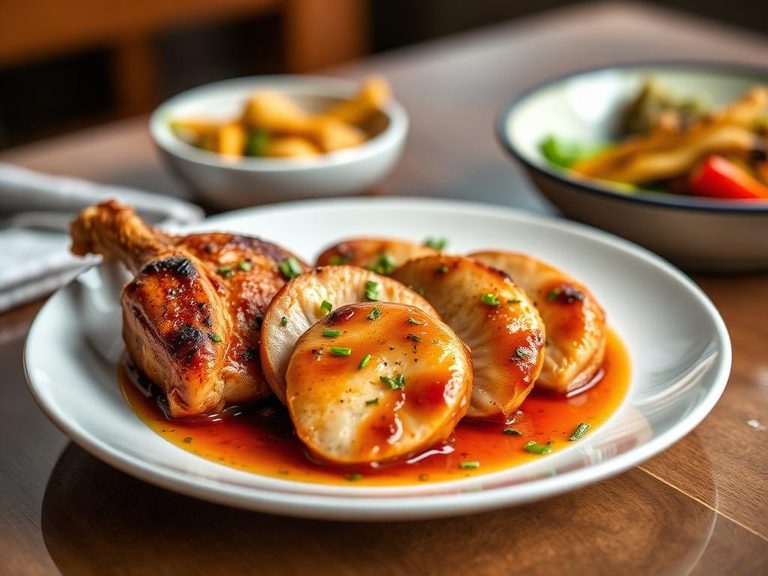
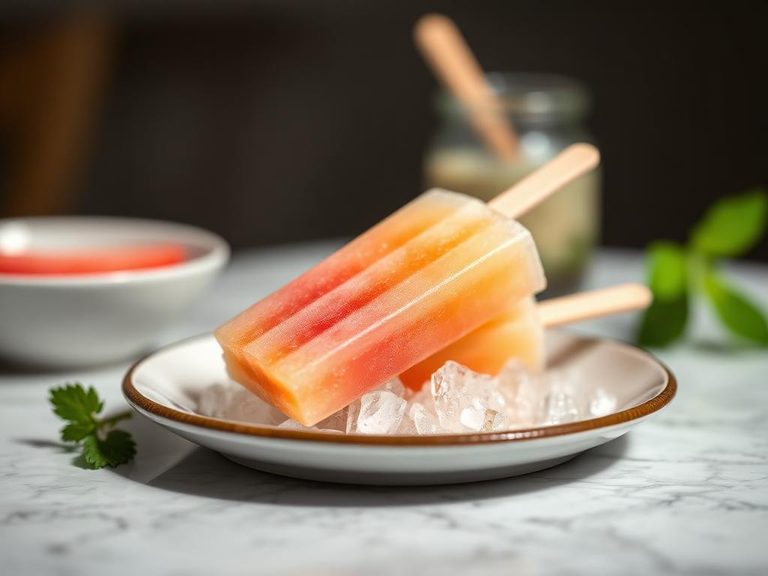
🍽️ Popular dishes
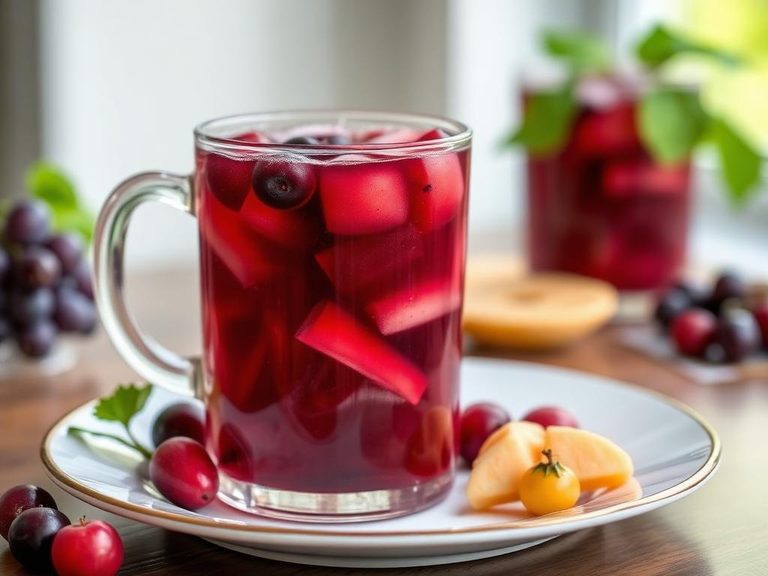
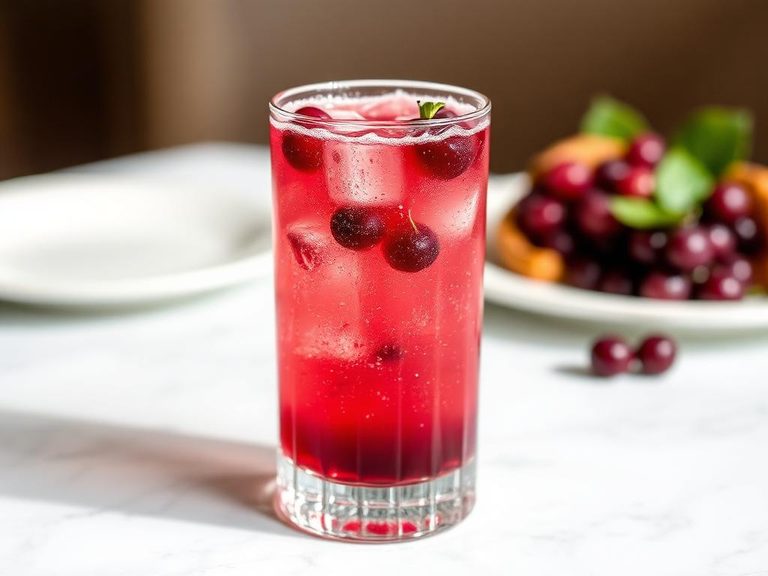
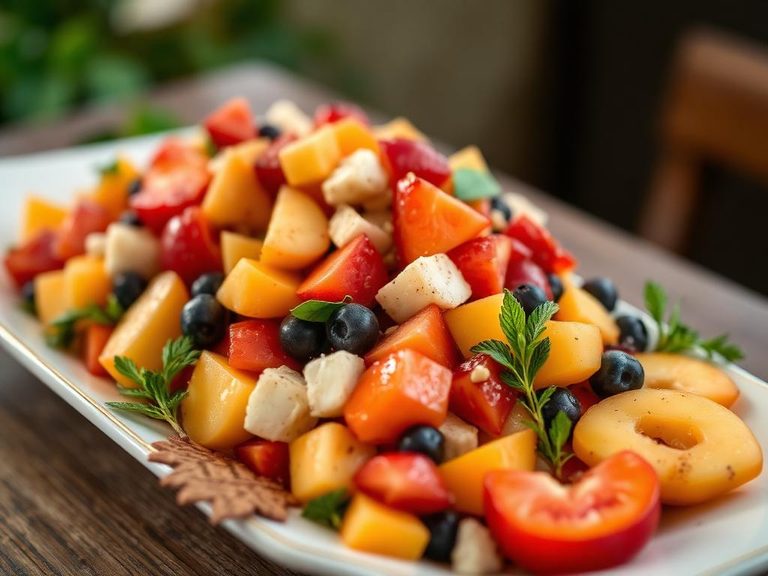
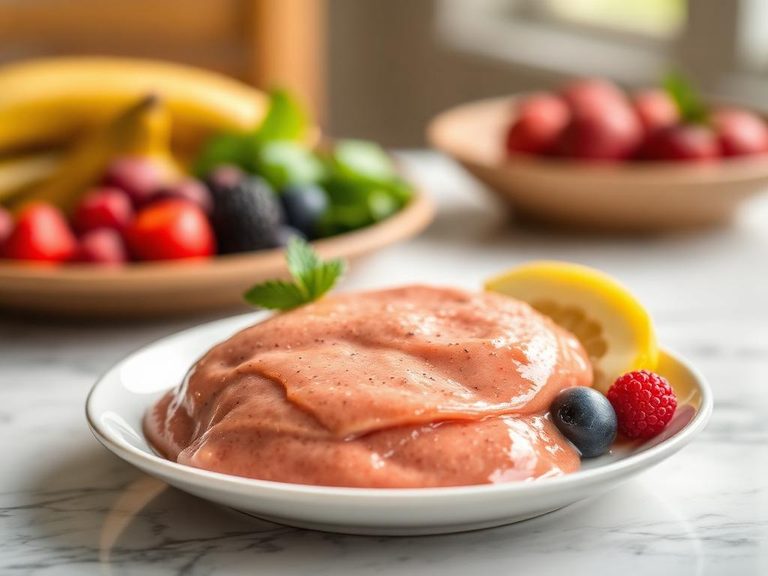
🌍 Where it's eaten
💡 Did you know?
The blend is often a practical solution for juice manufacturers: pure cranberry juice is extremely tart and rarely consumed straight, so blending it with sweeter grape juice creates a palatable, ready-to-drink product without excessive added sugar.
Full nutrition (USDA data · scales with serving)
| Water | 85.6 g |
| Energy | 56.0 kcal |
| Energy | 234 kj |
| Protein | 0.20 g |
| Total lipid (fat) | 0.10 g |
| Ash | 0.10 g |
| Carbohydrate, by difference | 14.0 g |
| Fiber, total dietary | 0.10 g |
| Calcium, Ca | 8.0 mg |
| Iron, Fe | 0.01 mg |
| Magnesium, Mg | 3.0 mg |
| Phosphorus, P | 4.0 mg |
| Potassium, K | 24.0 mg |
| Sodium, Na | 3.0 mg |
| Zinc, Zn | 0.04 mg |
| Copper, Cu | 0.01 mg |
| Manganese, Mn | 0.16 mg |
| Selenium, Se | 0.00 ug |
| Fluoride, F | 65.0 ug |
| Vitamin C, total ascorbic acid | 32.0 mg |
| Thiamin | 0.01 mg |
| Riboflavin | 0.02 mg |
| Niacin | 0.12 mg |
| Pantothenic acid | 0.05 mg |
| Vitamin B-6 | 0.03 mg |
| Folate, total | 1.0 ug |
| Folic acid | 0.00 ug |
| Folate, food | 1.0 ug |
| Folate, DFE | 1.0 ug |
| Vitamin B-12 | 0.00 ug |
| Vitamin A, RAE | 0.00 ug |
| Retinol | 0.00 ug |
| Vitamin A, IU | 5.0 iu |
Fat & fatty acid profile (per 100g)
| Fatty acids, total saturated | 0.03 g |
| Fatty acids, total monounsaturated | 0.00 g |
| MUFA 18:1 | 0.00 g |
| Fatty acids, total polyunsaturated | 0.02 g |
| PUFA 18:2 | 0.02 g |
| Fatty acids, total trans | 0.00 g |
| Cholesterol | 0.00 mg |
Amino acid profile (per 100g)
Estimated from Beverages, carbonated, tonic water — USDA does not publish this profile for Beverages.
| Tryptophan | 0.00 g |
| Threonine | 0.00 g |
| Isoleucine | 0.00 g |
| Leucine | 0.00 g |
| Lysine | 0.00 g |
| Methionine | 0.00 g |
| Cystine | 0.00 g |
| Phenylalanine | 0.00 g |
| Tyrosine | 0.00 g |
| Valine | 0.00 g |
| Arginine | 0.00 g |
| Histidine | 0.00 g |
| Alanine | 0.00 g |
| Aspartic acid | 0.00 g |
| Glutamic acid | 0.00 g |
| Glycine | 0.00 g |
| Proline | 0.00 g |
| Serine | 0.00 g |
FAQ
Is cranberry-grape juice drink the same as 100% juice?
Not necessarily. A 'juice drink' typically contains less than 100% fruit juice and has added water and sweeteners. Check the label for '100% Juice' to ensure it's undiluted.
Does it contain real cranberries?
Yes, it contains juice from both cranberries and grapes. The tartness of the cranberry is a key flavor component, though the exact proportion varies by brand.
Is it good for urinary tract health like pure cranberry juice?
While it contains cranberry juice, the concentration is often lower than in pure cranberry juice products marketed for urinary tract health. Its primary benefit is hydration and taste, not a specific medicinal effect.
Nutrient density (calculated · NRF9.3)
Nutrient Rich Foods index: beneficial nutrients (protein, fiber, vitamins, minerals) minus saturated fat, added sugar & sodium, per 100 kcal.
NRF9.3 index — Fulgoni, Keast & Drewnowski, 2009. Computed from USDA nutrients.
Weight-loss friendliness (composite index)
Energy density 0.56 kcal/g · 1% calories from protein · 0.1 g fiber · 0.0 g sugar per 100 g.
Composite of energy density (Rolls et al., 1999), protein & fiber satiety, minus sugar. A calculated heuristic — ranks satiety-per-calorie, not a clinical measure.
Dietary load (calculated from USDA values)
Potential renal acid load. Positive = acid-forming, negative = alkaline-forming.
Sodium-to-potassium ratio: 0.13 (lower is better — aim for ≤ 1)
Sodium:potassium per WHO potassium guidance. Computed from USDA nutrients.