Macaroni, vegetable, enriched, dry
Whole food · Cereal Grains and Pasta

Photo: Wikipedia
Enriched vegetable macaroni is a dry, short, curved pasta that transforms into a tender, slightly chewy bite with a subtle, earthy sweetness from added vegetable powders. Its vibrant color—often a pale green or orange—adds visual appeal to simple dishes. Nutritionally, it's a carbohydrate powerhouse with a respectable protein boost from the enrichment process.
💚 Why it's loved
People adore it for its comforting, familiar texture and its ability to absorb sauces beautifully, making it a canvas for creativity. It's a nostalgic staple that brings a pop of color and a mild, pleasant flavor to family meals and quick weeknight dinners.
⚠️ Watch-outs & how to enjoy it better
As a refined, enriched grain, it can cause blood-sugar spikes, especially if eaten alone. To counteract this, pair it with a source of protein (like chicken or beans) and healthy fat (like olive oil or cheese) to slow digestion and stabilize blood sugar. Those with gluten sensitivities must avoid it, and its high carbohydrate content means portion control is key for those managing calorie intake.
Key benefits
- High in energy-providing carbohydrates for active lifestyles.
- Enriched with B-vitamins and iron, aiding energy metabolism.
- Good source of plant-based protein for muscle maintenance.
- Contains dietary fiber to support digestive health.
- Versatile base for countless quick and nutritious meals.
🍽️ Popular dishes
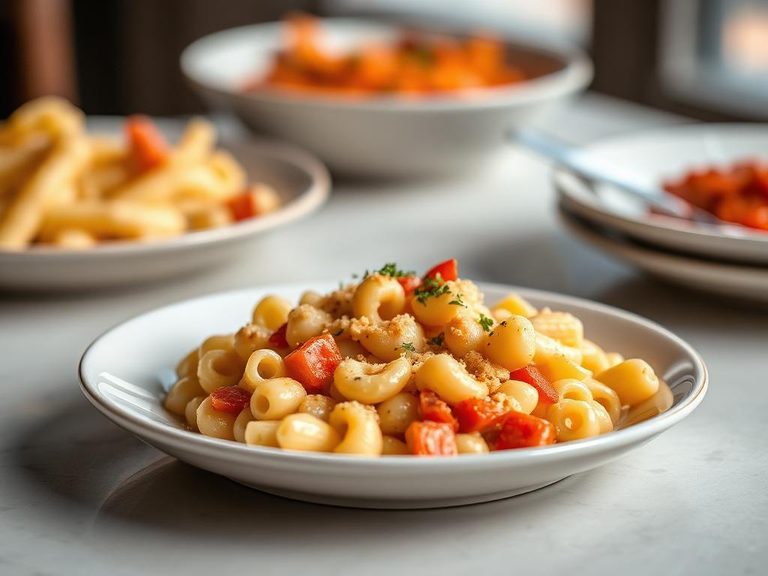
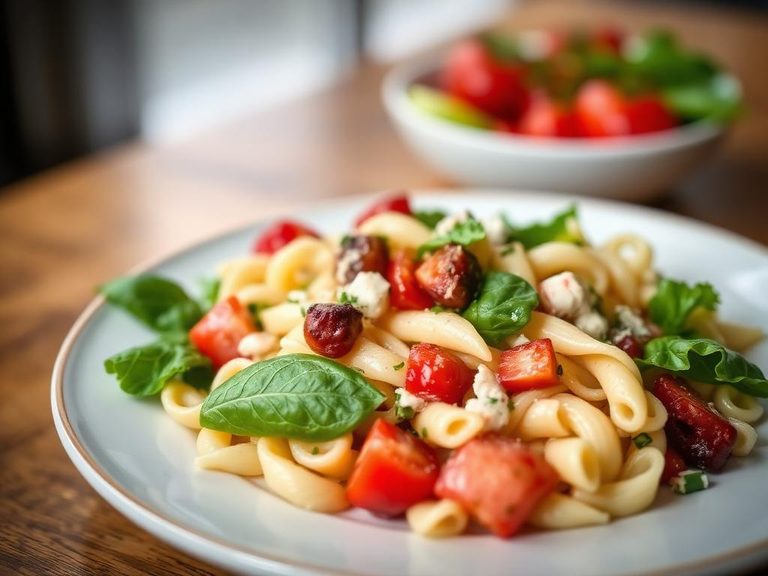
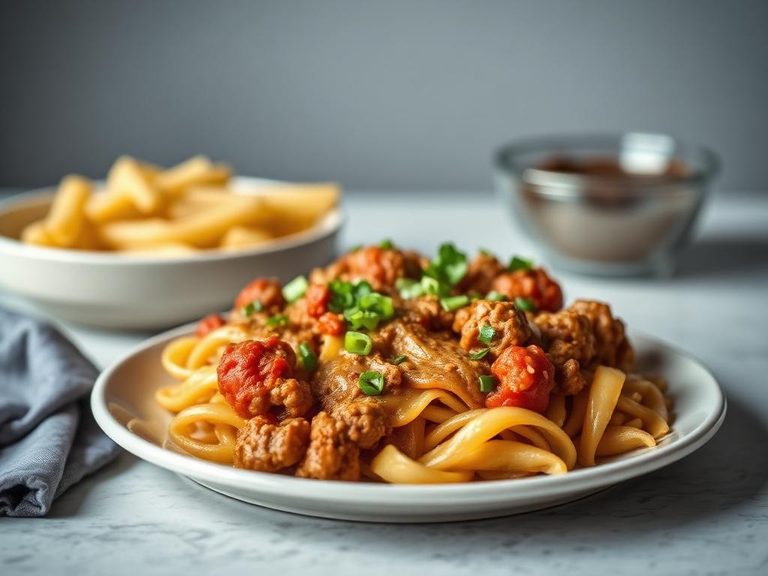
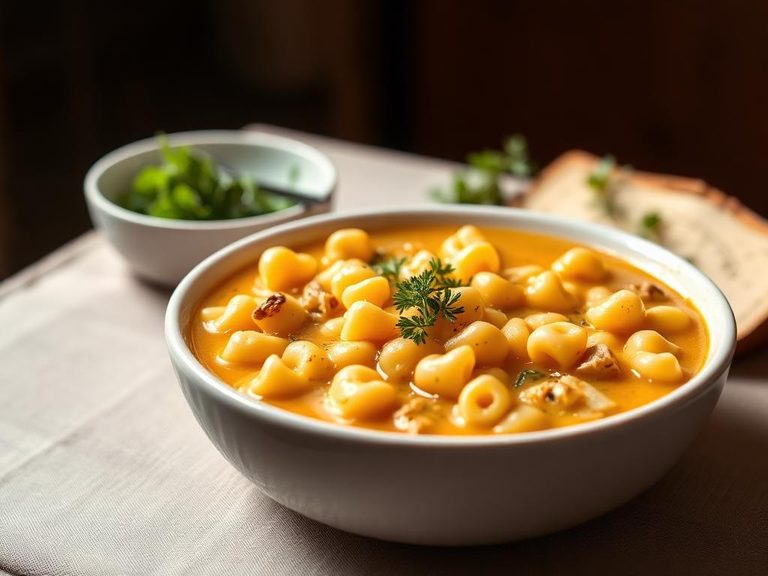
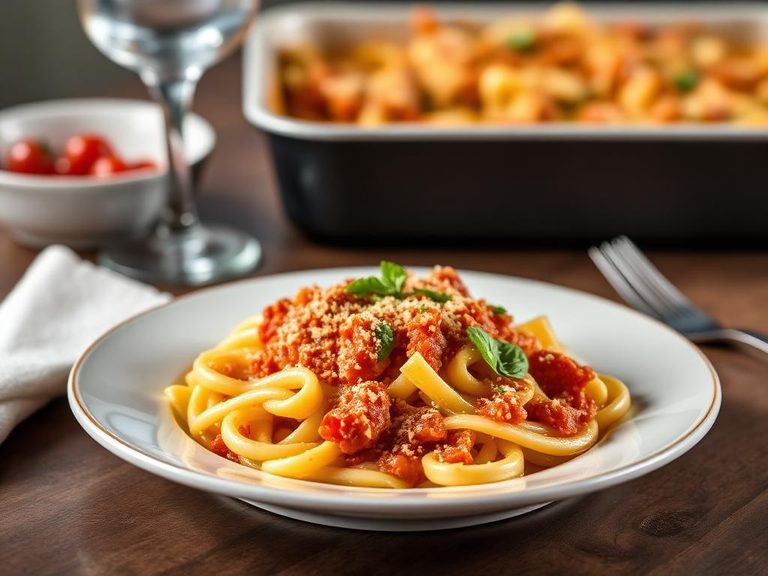
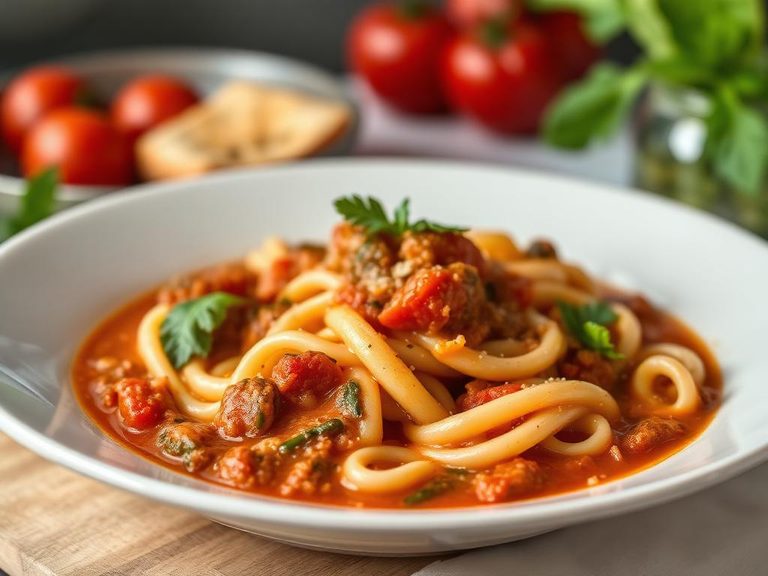
🌍 Where it's eaten
💡 Did you know?
The word 'macaroni' derives from the Italian 'maccare,' meaning to crush or mash, referring to the dough's preparation, and it was once a luxury food in 18th-century Europe, celebrated in the song 'Yankee Doodle.'
Full nutrition (scales with serving)
| Water | 9.9 g |
| Energy | 367 kcal |
| Energy | 1536 kj |
| Protein | 13.1 g |
| Total lipid (fat) | 1.0 g |
| Ash | 1.1 g |
| Carbohydrate, by difference | 74.9 g |
| Fiber, total dietary | 4.3 g |
| Calcium, Ca | 34.0 mg |
| Iron, Fe | 4.3 mg |
| Magnesium, Mg | 46.0 mg |
| Phosphorus, P | 116 mg |
| Potassium, K | 285 mg |
| Sodium, Na | 43.0 mg |
| Zinc, Zn | 0.76 mg |
| Copper, Cu | 0.20 mg |
| Manganese, Mn | 3.8 mg |
| Vitamin C, total ascorbic acid | 0.00 mg |
| Thiamin | 1.0 mg |
| Riboflavin | 0.53 mg |
| Niacin | 7.3 mg |
| Pantothenic acid | 0.75 mg |
| Vitamin B-6 | 0.13 mg |
| Folate, total | 278 ug |
| Folic acid | 261 ug |
| Folate, food | 17.0 ug |
| Folate, DFE | 460 ug |
| Vitamin B-12 | 0.00 ug |
| Vitamin A, RAE | 8.0 ug |
| Retinol | 0.00 ug |
| Vitamin A, IU | 160 iu |
| Vitamin D (D2 + D3), International Units | 0.00 iu |
| Vitamin D (D2 + D3) | 0.00 ug |
| Alcohol, ethyl | 0.00 g |
Fat & fatty acid profile (per 100g)
| Fatty acids, total saturated | 0.15 g |
| SFA 14:0 | 0.00 g |
| SFA 16:0 | 0.13 g |
| SFA 18:0 | 0.02 g |
| Fatty acids, total monounsaturated | 0.12 g |
| MUFA 16:1 | 0.00 g |
| MUFA 18:1 | 0.12 g |
| MUFA 20:1 | 0.00 g |
| Fatty acids, total polyunsaturated | 0.43 g |
| PUFA 18:2 | 0.38 g |
| PUFA 18:3 | 0.05 g |
| Cholesterol | 0.00 mg |
Amino acid profile (per 100g)
| Tryptophan | 0.17 g |
| Threonine | 0.35 g |
| Isoleucine | 0.51 g |
| Leucine | 0.90 g |
| Lysine | 0.27 g |
| Methionine | 0.20 g |
| Cystine | 0.36 g |
| Phenylalanine | 0.63 g |
| Tyrosine | 0.35 g |
| Valine | 0.56 g |
| Arginine | 0.49 g |
| Histidine | 0.27 g |
| Alanine | 0.39 g |
| Aspartic acid | 0.57 g |
| Glutamic acid | 4.6 g |
| Glycine | 0.42 g |
| Proline | 1.4 g |
| Serine | 0.63 g |
FAQ
Is vegetable macaroni healthier than regular macaroni?
It offers a slight nutritional edge with added vegetable powders, which can contribute small amounts of vitamins and fiber, but it's still primarily a refined carbohydrate. The enrichment process adds back nutrients lost during milling, making it comparable to regular enriched pasta in overall nutrition.
How should I store dry vegetable macaroni?
Keep it in a cool, dry place in an airtight container to prevent moisture absorption and pest infestation. It typically lasts 1-2 years past its best-by date if stored properly.
Can I use vegetable macaroni in any recipe that calls for regular macaroni?
Yes, it's a direct substitute in terms of cooking time and texture. The vegetable powders may impart a subtle color and flavor, but it works well in all standard macaroni dishes.