Bacon, pre-sliced, reduced/low sodium, unprepared
Whole food · Pork Products

Photo: Wikipedia
This is bacon that has been sliced and treated to contain less sodium than traditional varieties, ready for cooking. It offers the classic smoky, savory, and slightly sweet flavor profile with a satisfyingly crisp texture when fried, but with a noticeably milder saltiness. Nutritionally, it is a high-fat, high-protein food with virtually no carbohydrates, making it a staple in low-carb and ketogenic diets.
💚 Why it's loved
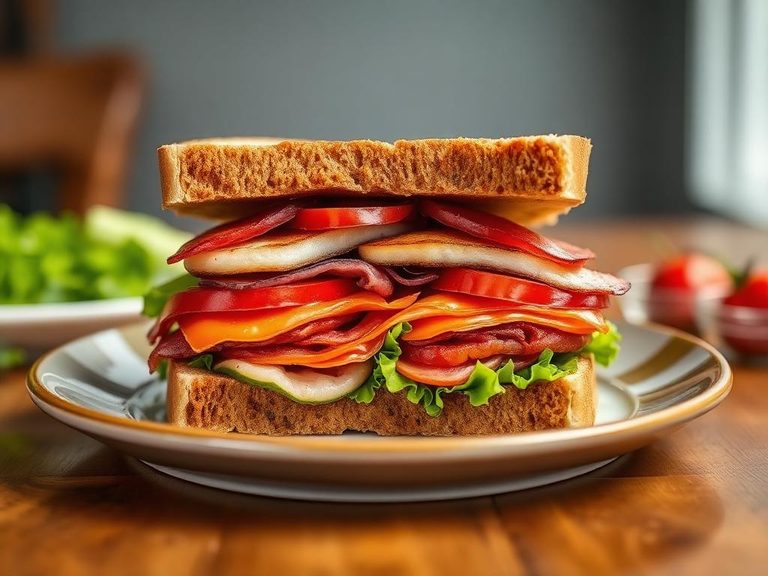
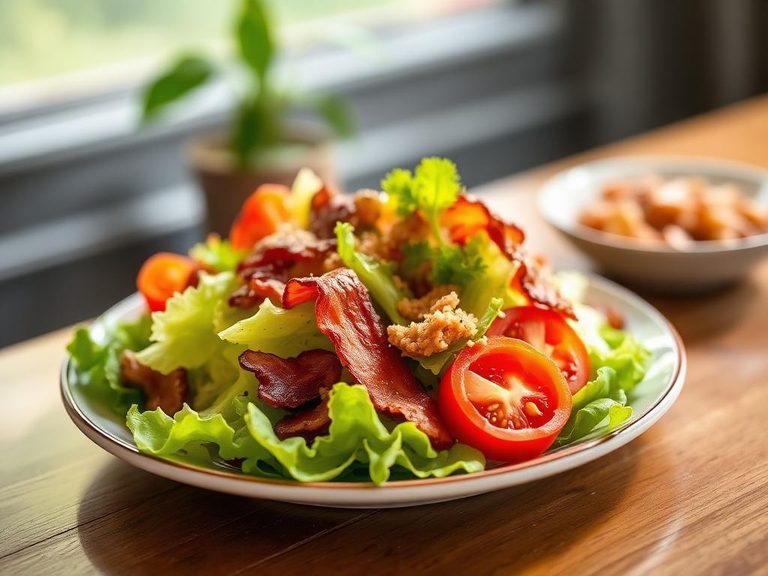
People adore it for its unparalleled ability to deliver a deep, smoky umami punch that can elevate a simple dish. Its versatility is legendary, serving as a standalone breakfast star, a crunchy salad topper, or a flavor base for soups and stews.
⚠️ Watch-outs & how to enjoy it better
The primary concern is its very high saturated fat and calorie density, which can be problematic for heart health and weight management if consumed excessively. The reduced sodium, while an improvement, still means it's a processed meat; moderation is key, and it should be balanced with potassium-rich vegetables like spinach or avocado to help manage fluid balance.
Key benefits
- Provides a significant source of complete protein.
- Contains zero carbohydrates and sugar, suitable for keto diets.
- Reduced sodium content compared to standard bacon.
- Rich in B vitamins, particularly B1 (thiamine), B3 (niacin), and B12.
- Contains minerals like selenium and phosphorus.
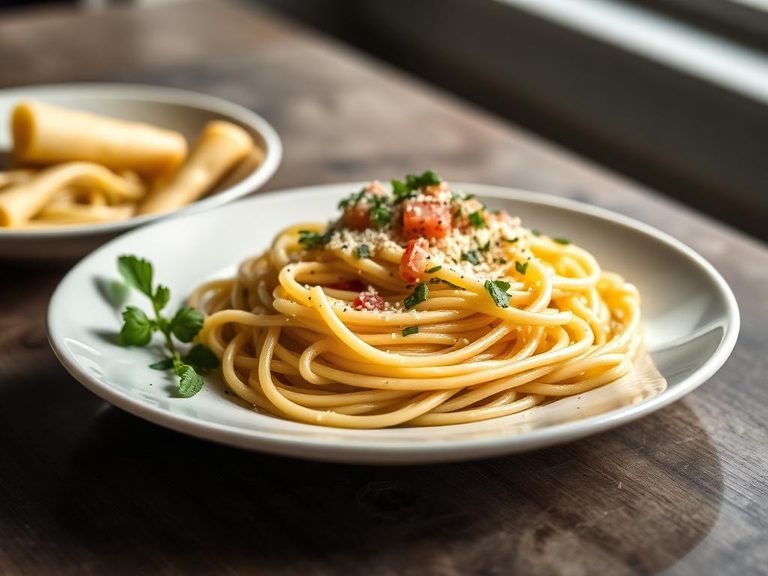
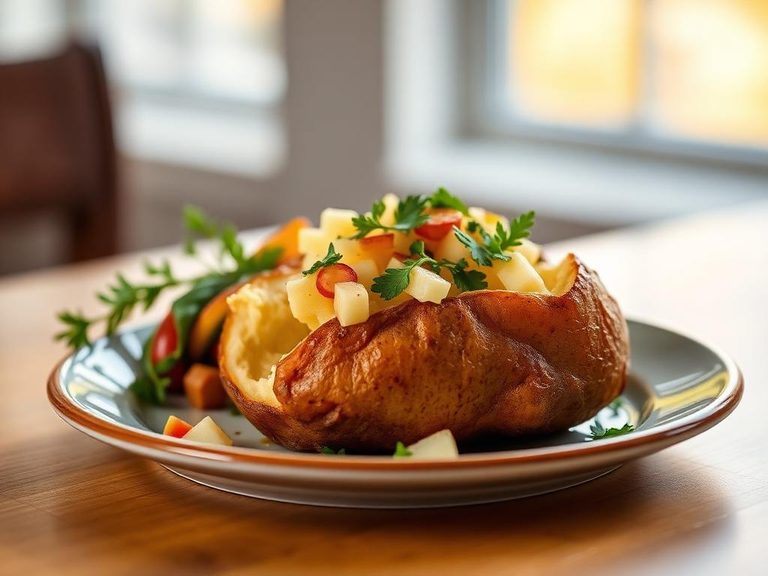
🍽️ Popular dishes
🌍 Where it's eaten
💡 Did you know?
The term 'bacon' comes from the Old High German 'bacho,' meaning 'back,' and it originally referred to the pork belly cut itself, not the cured and smoked product we know today.
Full nutrition (scales with serving)
| Water | 45.0 g |
| Energy | 407 kcal |
| Energy | 1702 kj |
| Protein | 12.5 g |
| Total lipid (fat) | 39.3 g |
| Ash | 2.4 g |
| Carbohydrate, by difference | 0.83 g |
| Fiber, total dietary | 0.00 g |
| Total Sugars | 0.83 g |
| Sucrose | 0.83 g |
| Glucose | 0.00 g |
| Fructose | 0.00 g |
| Lactose | 0.00 g |
| Maltose | 0.00 g |
| Galactose | 0.00 g |
| Calcium, Ca | 4.0 mg |
| Iron, Fe | 0.42 mg |
| Magnesium, Mg | 12.0 mg |
| Phosphorus, P | 180 mg |
| Potassium, K | 506 mg |
| Sodium, Na | 470 mg |
| Zinc, Zn | 1.2 mg |
| Copper, Cu | 0.05 mg |
| Manganese, Mn | 0.01 mg |
| Vitamin C, total ascorbic acid | 0.00 mg |
| Vitamin B-12 | 0.50 ug |
| Vitamin B-12, added | 0.00 ug |
| Vitamin A, RAE | 0.00 ug |
| Carotene, beta | 0.00 ug |
| Carotene, alpha | 0.00 ug |
| Cryptoxanthin, beta | 0.00 ug |
| Vitamin A, IU | 0.00 iu |
| Lycopene | 0.00 ug |
| Lutein + zeaxanthin | 0.00 ug |
| Vitamin E (alpha-tocopherol) | 0.43 mg |
| Vitamin E, added | 0.00 mg |
| Vitamin K (phylloquinone) | 0.00 ug |
| Vitamin K (Dihydrophylloquinone) | 0.00 ug |
| Alcohol, ethyl | 0.00 g |
| Caffeine | 0.00 mg |
| Theobromine | 0.00 mg |
Fat & fatty acid profile (per 100g)
| SFA 4:0 | 0.00 g |
| SFA 6:0 | 0.00 g |
Amino acid profile (per 100g)
| Tryptophan | 0.15 g |
| Threonine | 0.55 g |
| Isoleucine | 0.59 g |
| Leucine | 1.0 g |
| Lysine | 1.1 g |
| Methionine | 0.34 g |
| Cystine | 0.14 g |
| Phenylalanine | 0.52 g |
| Tyrosine | 0.50 g |
| Valine | 0.63 g |
| Arginine | 0.81 g |
| Histidine | 0.51 g |
| Alanine | 0.72 g |
| Aspartic acid | 1.2 g |
| Glutamic acid | 1.9 g |
| Glycine | 0.57 g |
| Proline | 0.51 g |
| Serine | 0.52 g |
| Hydroxyproline | 0.04 g |
FAQ
How is low-sodium bacon made?
The sodium content is reduced by using less salt in the curing brine or by using alternative curing agents like potassium chloride. The smoking and flavoring processes remain similar.
Does it taste different from regular bacon?
Yes, the most noticeable difference is a milder saltiness, which can allow the natural pork, smoke, and sweetness flavors to come through more prominently.
What's the best way to cook it for maximum crispiness?
For even cooking and crispiness, bake it on a wire rack set over a baking sheet at 400°F (200°C) for 15-20 minutes. This renders the fat efficiently without burning.