

Veal, variety meats and by-products, pancreas, raw
Whole food · Lamb, Veal, and Game Products

Photo: Wikipedia
Veal pancreas is a rich, creamy organ meat with a delicate, slightly sweet flavor and a smooth, melt-in-your-mouth texture when cooked properly. Nutritionally dense, it provides a significant source of protein and healthy fats while being completely carb-free, making it a staple in traditional offal cuisines.
Calorie split: 34% protein · 0% carbs · 66% fat
↓ Full nutrition💚 Why it's loved
It is prized for its incredibly tender, buttery texture and mild, savory taste that lacks the strong gamey notes of other organ meats, making it an approachable entry point to offal. Its versatility allows it to be used in pâtés, sautés, or as a luxurious addition to stews.
⚠️ Watch-outs & how to enjoy it better
As a high-fat organ meat, it can be calorie-dense and may not suit those monitoring fat intake or managing cholesterol, and its delicate nature requires careful cooking to avoid a rubbery texture. To counteract the richness, pair it with acidic elements like lemon juice or vinegar, and ensure it is cooked quickly over medium heat to preserve its tenderness.
Key benefits
- High in bioavailable protein for muscle maintenance
- Rich in healthy fats and essential fatty acids
- Contains vital B-vitamins and minerals like selenium
- Zero carbohydrates, ideal for ketogenic or carnivore diets
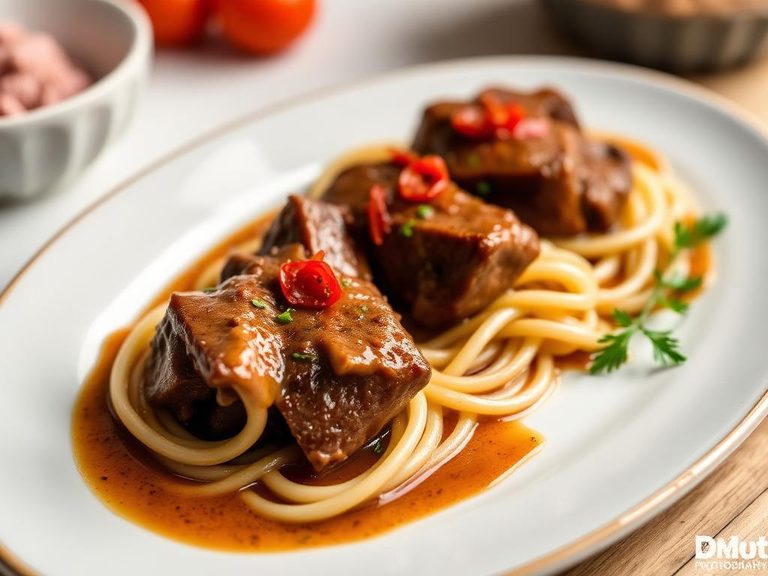
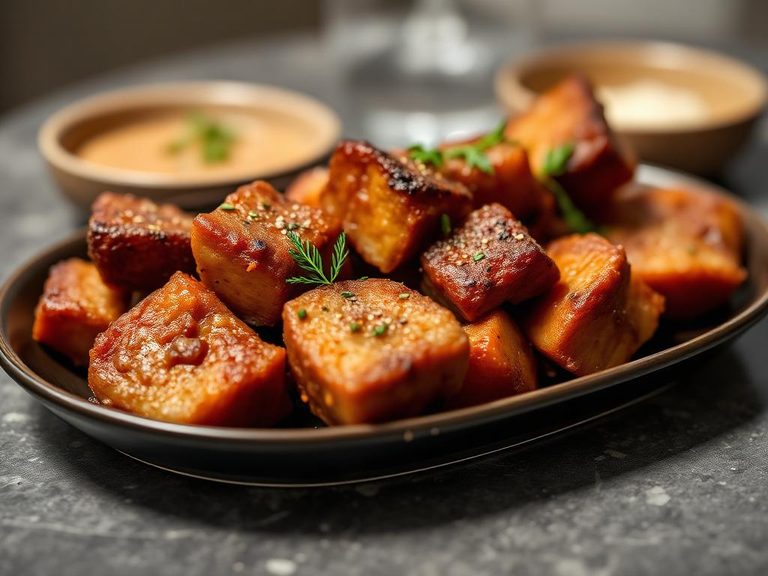
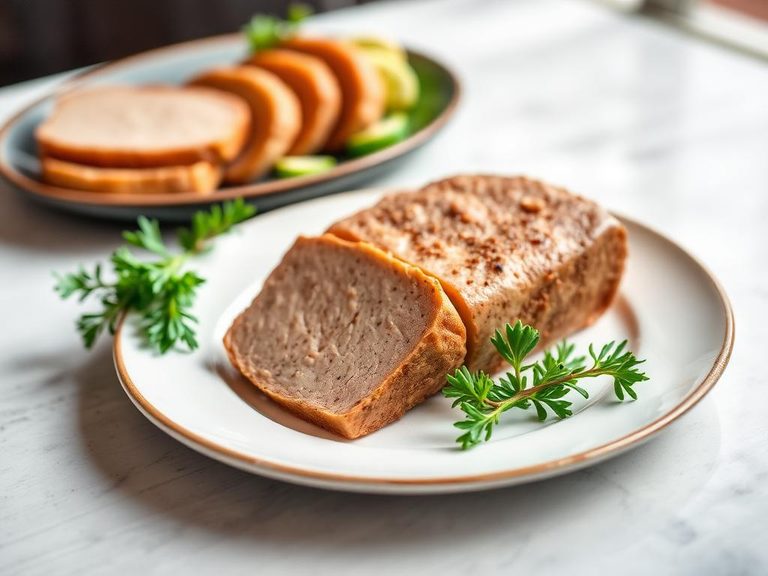
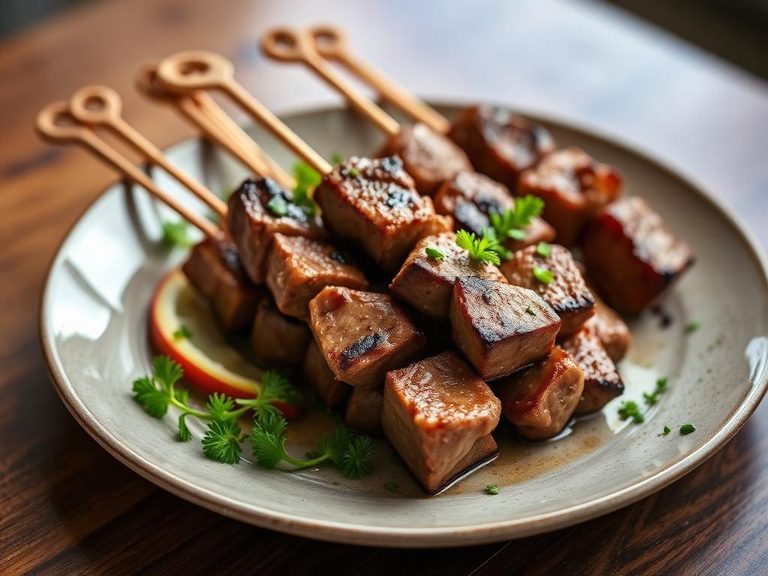
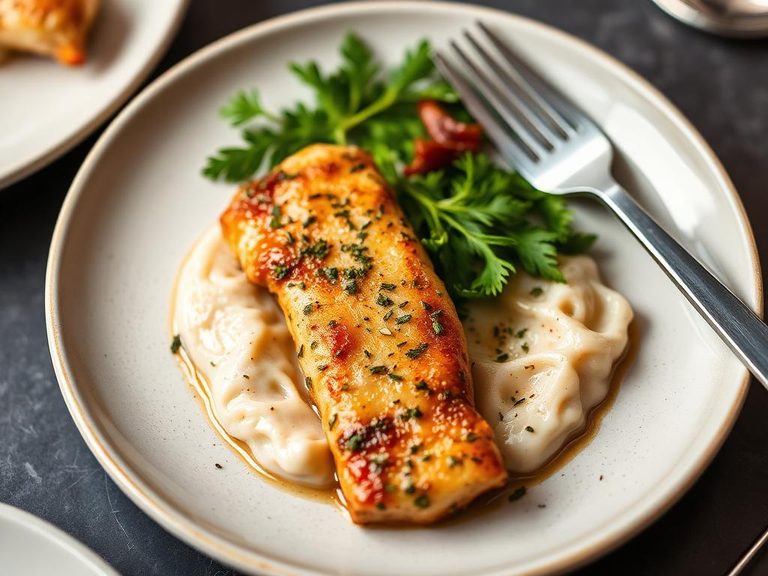
🍽️ Popular dishes
🌍 Where it's eaten
💡 Did you know?
The pancreas was historically used in traditional medicine as a source of enzymes, and in some cultures, it was believed to grant the eater the vitality and strength of the animal.
Full nutrition (USDA data · scales with serving)
| Water | 70.6 g |
| Energy | 182 kcal |
| Energy | 761 kj |
| Protein | 15.0 g |
| Total lipid (fat) | 13.1 g |
| Ash | 1.3 g |
| Carbohydrate, by difference | 0.00 g |
| Fiber, total dietary | 0.00 g |
| Calcium, Ca | 19.0 mg |
| Iron, Fe | 2.1 mg |
| Magnesium, Mg | 18.0 mg |
| Phosphorus, P | 329 mg |
| Potassium, K | 278 mg |
| Sodium, Na | 67.0 mg |
| Zinc, Zn | 2.6 mg |
| Copper, Cu | 0.06 mg |
| Manganese, Mn | 0.15 mg |
| Selenium, Se | 20.7 ug |
| Vitamin C, total ascorbic acid | 16.0 mg |
| Thiamin | 0.13 mg |
| Riboflavin | 0.42 mg |
| Niacin | 4.3 mg |
| Vitamin B-6 | 0.19 mg |
| Folate, total | 3.0 ug |
| Folic acid | 0.00 ug |
| Folate, food | 3.0 ug |
| Folate, DFE | 3.0 ug |
| Vitamin B-12 | 13.4 ug |
| Vitamin A, RAE | 0.00 ug |
| Retinol | 0.00 ug |
| Vitamin A, IU | 0.00 iu |
Fat & fatty acid profile (per 100g)
| Fatty acids, total saturated | 4.5 g |
| Fatty acids, total monounsaturated | 4.5 g |
| Fatty acids, total polyunsaturated | 2.4 g |
| Cholesterol | 173 mg |
Amino acid profile (per 100g)
Estimated from Veal, Australian, rib, rib roast, separable lean only, raw — USDA does not publish this profile for Veal.
| Tryptophan | 0.22 g |
| Threonine | 0.95 g |
| Isoleucine | 1.1 g |
| Leucine | 1.7 g |
| Lysine | 1.8 g |
| Methionine | 0.51 g |
| Cystine | 0.24 g |
| Phenylalanine | 0.88 g |
| Tyrosine | 0.69 g |
| Valine | 1.2 g |
| Arginine | 1.3 g |
| Histidine | 0.79 g |
| Alanine | 1.3 g |
| Aspartic acid | 1.9 g |
| Glutamic acid | 3.4 g |
| Glycine | 1.1 g |
| Proline | 0.91 g |
| Serine | 0.81 g |
| Hydroxyproline | 0.11 g |
FAQ
How does veal pancreas taste compared to other organ meats?
It has a milder, sweeter, and more buttery flavor than liver or kidney, with a smooth, creamy texture that is less gamey.
What is the best way to cook veal pancreas to avoid it becoming tough?
Quick sautéing, grilling, or braising at a moderate temperature is best; overcooking will cause it to become rubbery and lose its delicate texture.
Is veal pancreas high in cholesterol?
Yes, like most organ meats, it is high in cholesterol and saturated fat, so it should be consumed in moderation by those with specific dietary restrictions.
Nutrient density (calculated · NRF9.3)
Nutrient Rich Foods index: beneficial nutrients (protein, fiber, vitamins, minerals) minus saturated fat, added sugar & sodium, per 100 kcal.
NRF9.3 index — Fulgoni, Keast & Drewnowski, 2009. Computed from USDA nutrients.
Weight-loss friendliness (composite index)
Energy density 1.82 kcal/g · 33% calories from protein · 0.0 g fiber · 0.0 g sugar per 100 g.
Composite of energy density (Rolls et al., 1999), protein & fiber satiety, minus sugar. A calculated heuristic — ranks satiety-per-calorie, not a clinical measure.
Dietary load (calculated from USDA values)
Potential renal acid load. Positive = acid-forming, negative = alkaline-forming.
Sodium-to-potassium ratio: 0.24 (lower is better — aim for ≤ 1)
Sodium:potassium per WHO potassium guidance. Computed from USDA nutrients.