Pork, NFS
Common food
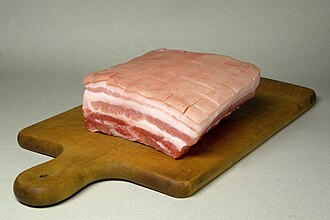
Photo: Wikipedia
Pork, NFS (Not Further Specified) is a lean, versatile cut of meat, typically referring to a raw, unprocessed cut like loin or shoulder. It has a mild, slightly sweet flavor with a firm, dense texture that becomes tender when cooked properly. Nutritionally, it's a powerhouse of high-quality protein with a relatively low fat content.
💚 Why it's loved
People love pork for its rich, savory flavor that serves as a perfect canvas for a vast array of seasonings, marinades, and cooking methods. Its cultural significance in cuisines worldwide, from Chinese char siu to American barbecue, makes it a beloved centerpiece for communal meals and celebrations.
⚠️ Watch-outs & how to enjoy it better
Pork can be high in saturated fat and cholesterol depending on the cut, which is a consideration for heart health. It must be cooked to a safe internal temperature (145°F/63°C with a 3-minute rest) to eliminate potential pathogens like Trichinella. To mitigate fat intake, choose lean cuts like loin, trim all visible fat, and employ cooking methods like roasting or grilling that allow fat to render off.
Key benefits
- Excellent source of complete, high-quality protein
- Rich in essential B vitamins, especially thiamine (B1) and niacin (B3)
- Good source of minerals like selenium, phosphorus, and zinc
- Contains no carbohydrates, making it suitable for low-carb diets
- Provides a lean protein option when trimmed of visible fat
🍽️ Popular dishes
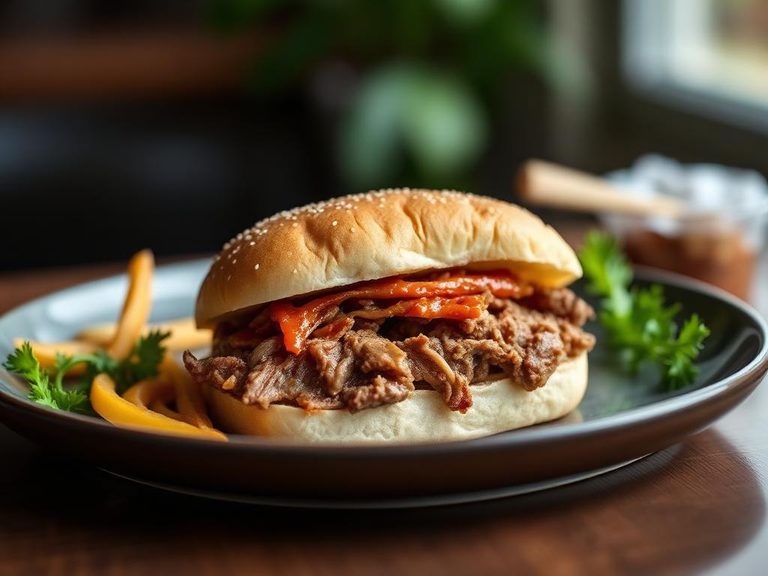
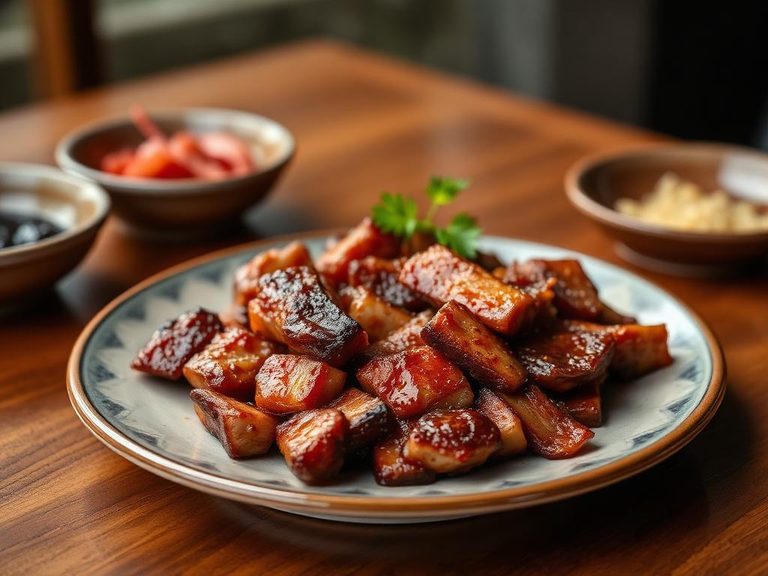
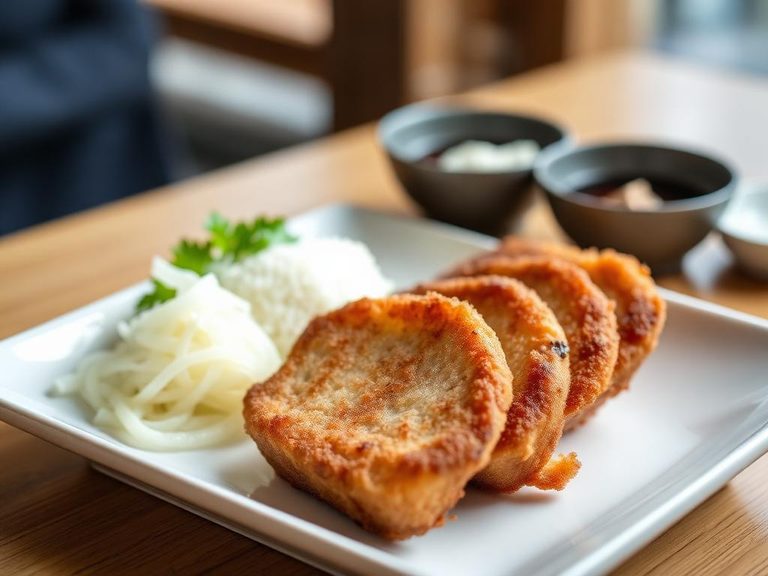
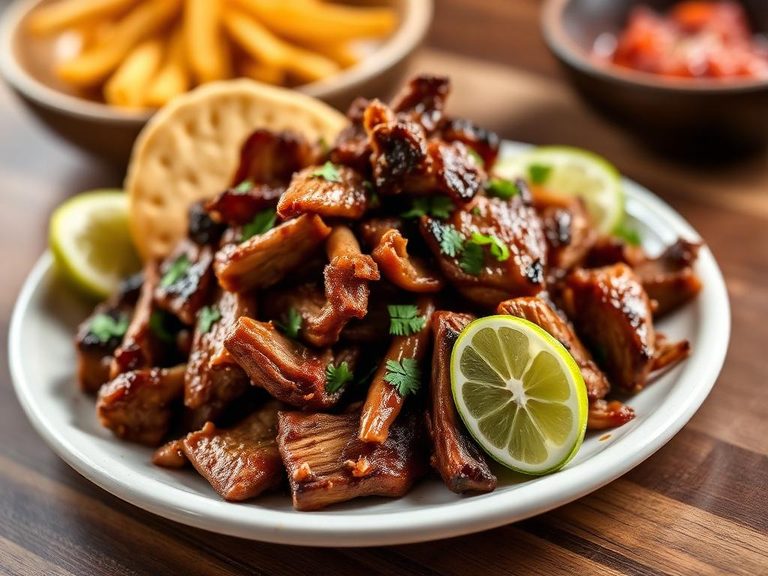
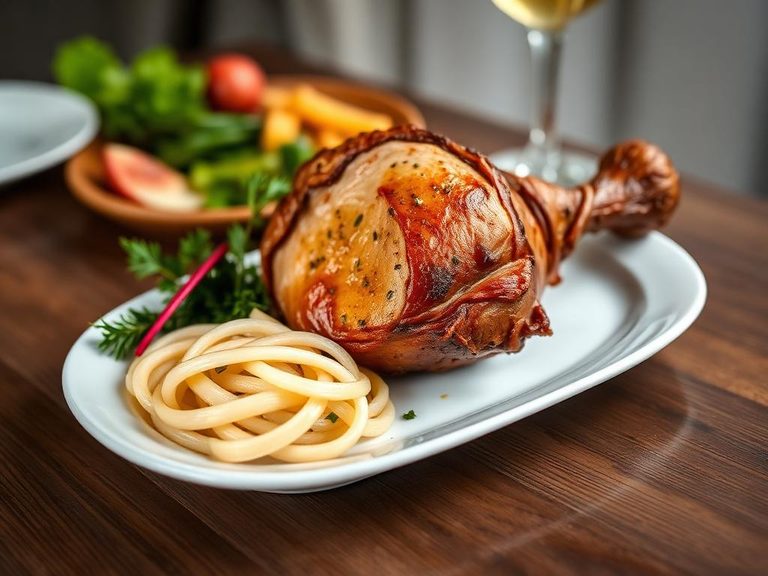
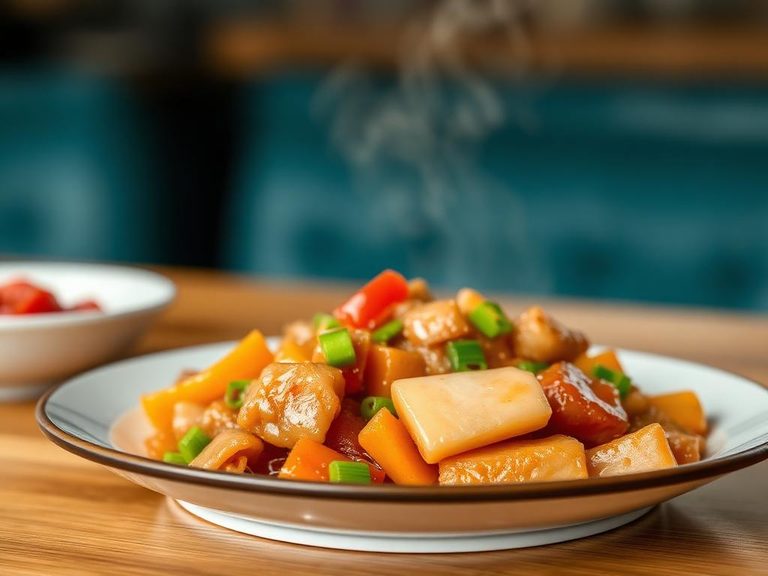
🌍 Where it's eaten
💡 Did you know?
Pork is the most consumed meat worldwide, accounting for about 36% of global meat intake.
Full nutrition (scales with serving)
| Water | 62.2 g |
| Energy | 192 kcal |
| Protein | 27.1 g |
| Total lipid (fat) | 8.7 g |
| Carbohydrate, by difference | 0.00 g |
| Fiber, total dietary | 0.00 g |
| Total Sugars | 0.00 g |
| Calcium, Ca | 10.0 mg |
| Iron, Fe | 0.79 mg |
| Magnesium, Mg | 26.0 mg |
| Phosphorus, P | 245 mg |
| Potassium, K | 402 mg |
| Sodium, Na | 348 mg |
| Zinc, Zn | 2.4 mg |
| Copper, Cu | 0.09 mg |
| Selenium, Se | 44.8 ug |
| Vitamin C, total ascorbic acid | 0.00 mg |
| Thiamin | 0.60 mg |
| Riboflavin | 0.23 mg |
| Niacin | 7.5 mg |
| Vitamin B-6 | 0.61 mg |
| Folate, total | 0.00 ug |
| Folic acid | 0.00 ug |
| Folate, food | 0.00 ug |
| Folate, DFE | 0.00 ug |
| Choline, total | 81.1 mg |
| Vitamin B-12 | 0.65 ug |
| Vitamin B-12, added | 0.00 ug |
| Vitamin A, RAE | 0.00 ug |
| Retinol | 0.00 ug |
| Carotene, beta | 0.00 ug |
| Carotene, alpha | 0.00 ug |
| Cryptoxanthin, beta | 0.00 ug |
| Lycopene | 0.00 ug |
| Lutein + zeaxanthin | 0.00 ug |
| Vitamin E (alpha-tocopherol) | 0.17 mg |
| Vitamin E, added | 0.00 mg |
| Vitamin D (D2 + D3) | 0.70 ug |
| Vitamin K (phylloquinone) | 0.00 ug |
| Fatty acids, total saturated | 3.0 g |
| SFA 4:0 | 0.00 g |
| SFA 6:0 | 0.00 g |
| SFA 8:0 | 0.00 g |
| SFA 10:0 | 0.01 g |
| SFA 12:0 | 0.01 g |
| SFA 14:0 | 0.11 g |
| SFA 16:0 | 1.9 g |
| SFA 18:0 | 1.00 g |
| Fatty acids, total monounsaturated | 3.7 g |
| MUFA 16:1 | 0.21 g |
| MUFA 18:1 | 3.4 g |
| MUFA 20:1 | 0.06 g |
| MUFA 22:1 | 0.00 g |
| Fatty acids, total polyunsaturated | 1.00 g |
| PUFA 18:2 | 0.85 g |
| PUFA 18:3 | 0.03 g |
| PUFA 18:4 | 0.00 g |
| PUFA 20:4 | 0.07 g |
| PUFA 20:5 n-3 (EPA) | 0.00 g |
| PUFA 22:5 n-3 (DPA) | 0.00 g |
| PUFA 22:6 n-3 (DHA) | 0.00 g |
| Cholesterol | 77.0 mg |
| Alcohol, ethyl | 0.00 g |
| Caffeine | 0.00 mg |
| Theobromine | 0.00 mg |
FAQ
What does 'NFS' mean in a food database?
NFS stands for 'Not Further Specified.' It indicates the data represents a generic or average value for that food item, as the exact cut, preparation, or brand isn't specified.
Is pork a red meat?
Yes, pork is classified as red meat by the USDA and most nutritional guidelines, despite its lighter color when cooked. This is due to its myoglobin content and nutrient profile.
How does the nutrition of pork loin compare to pork belly?
Pork loin is very lean, with about 140 kcal and 3g fat per 100g. Pork belly is much higher in fat, with around 518 kcal and 53g fat per 100g, making it a very different nutritional choice.