

Pocky
Common food

Photo: Wikipedia
Pocky is a iconic Japanese snack consisting of a crisp, dry biscuit stick partially coated in flavored chocolate. The texture is a satisfying snap followed by a smooth, creamy melt from the coating. Nutritionally, it's a high-carb, high-fat treat with minimal protein, delivering a quick energy burst from its 25g of sugar per 100g.
Calorie split: 9% protein · 46% carbs · 45% fat
↓ Full nutrition💚 Why it's loved
People love Pocky for its perfect balance of a crunchy biscuit and rich, flavorful coating, making it an addictive and fun snack. Its cultural status as a beloved Japanese treat and its versatility for sharing or gifting add to its widespread appeal.
⚠️ Watch-outs & how to enjoy it better
Its high sugar and refined carb content can lead to blood-sugar spikes, and the chocolate coating is high in fat and calories. To counteract this, practice strict portion control (e.g., stick to a single serving) and pair it with a source of protein or fiber, like a handful of nuts or a piece of fruit, to slow digestion.
Key benefits
- Provides a quick source of energy from carbohydrates.
- Offers a satisfying, crunchy texture for snack cravings.
- Highly portable and shelf-stable for on-the-go consumption.
- Available in a vast array of creative flavors for variety.
🍽️ Popular dishes
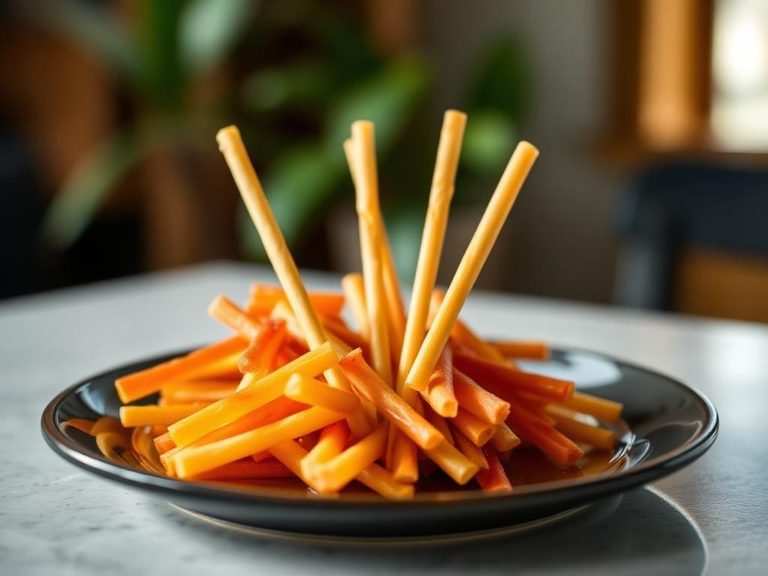

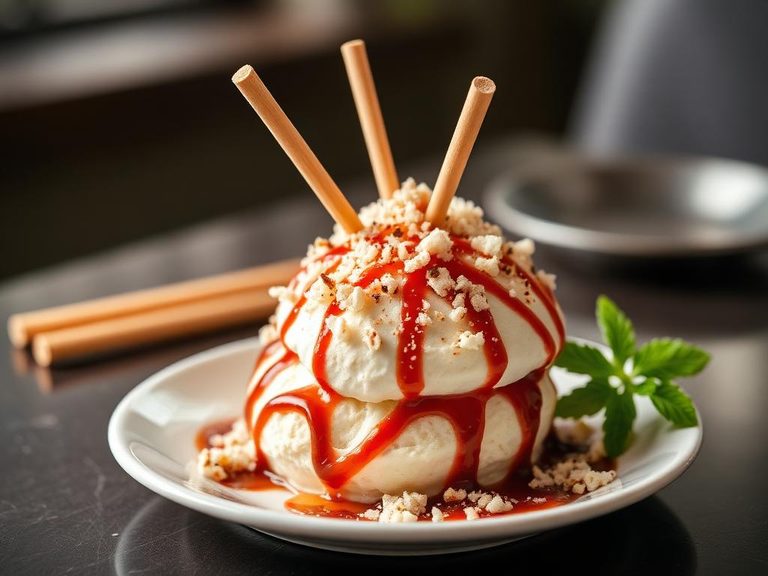
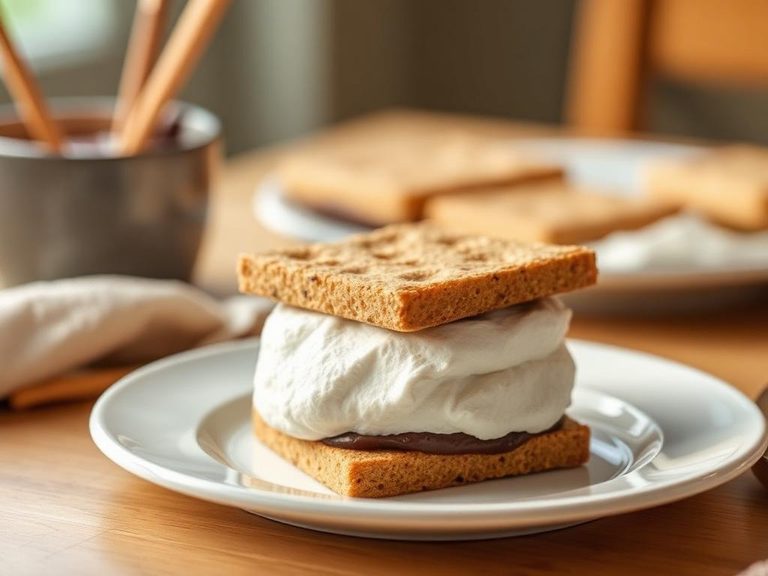
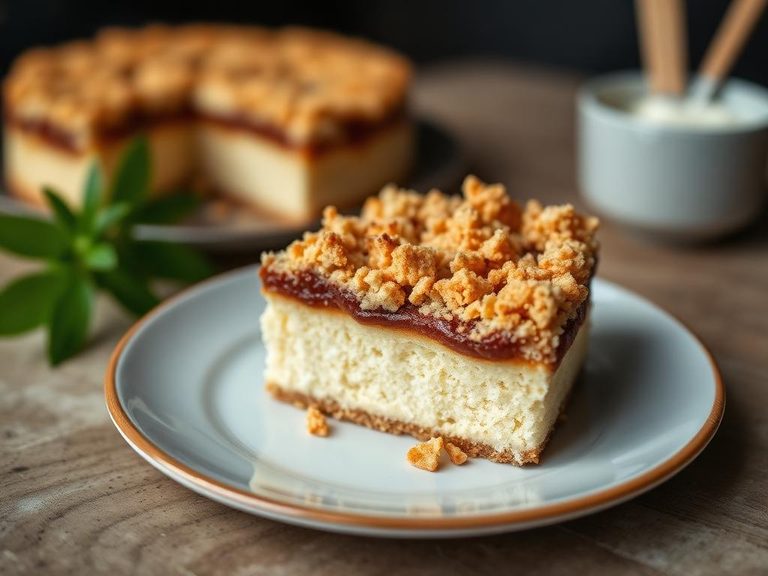
🌍 Where it's eaten
💡 Did you know?
The name 'Pocky' is an onomatopoeia for the 'pockin' sound the biscuit makes when you bite into it.
Full nutrition (USDA data · scales with serving)
| Water | 15.1 g |
| Energy | 447 kcal |
| Protein | 10.0 g |
| Total lipid (fat) | 22.5 g |
| Carbohydrate, by difference | 51.1 g |
| Fiber, total dietary | 5.0 g |
| Total Sugars | 25.0 g |
| Calcium, Ca | 50.0 mg |
| Iron, Fe | 0.90 mg |
| Magnesium, Mg | 36.0 mg |
| Phosphorus, P | 184 mg |
| Potassium, K | 181 mg |
| Sodium, Na | 213 mg |
| Zinc, Zn | 0.90 mg |
| Copper, Cu | 0.23 mg |
| Selenium, Se | 14.7 ug |
| Vitamin C, total ascorbic acid | 0.00 mg |
| Thiamin | 0.07 mg |
| Riboflavin | 0.20 mg |
| Niacin | 0.64 mg |
| Vitamin B-6 | 0.05 mg |
| Folate, total | 17.0 ug |
| Folic acid | 0.00 ug |
| Folate, food | 17.0 ug |
| Folate, DFE | 17.0 ug |
| Choline, total | 4.4 mg |
| Vitamin B-12 | 0.40 ug |
| Vitamin B-12, added | 0.00 ug |
| Vitamin A, RAE | 1.0 ug |
| Retinol | 1.0 ug |
| Carotene, beta | 1.0 ug |
| Carotene, alpha | 0.00 ug |
| Cryptoxanthin, beta | 0.00 ug |
| Lycopene | 0.00 ug |
| Lutein + zeaxanthin | 7.0 ug |
| Vitamin E (alpha-tocopherol) | 8.9 mg |
| Vitamin E, added | 0.00 mg |
| Vitamin D (D2 + D3) | 0.00 ug |
| Vitamin K (phylloquinone) | 1.7 ug |
| Alcohol, ethyl | 0.00 g |
| Caffeine | 2.0 mg |
| Theobromine | 64.0 mg |
Fat & fatty acid profile (per 100g)
| Fatty acids, total saturated | 12.6 g |
| SFA 4:0 | 0.00 g |
| SFA 6:0 | 0.00 g |
| SFA 8:0 | 0.00 g |
| SFA 10:0 | 0.00 g |
| SFA 12:0 | 0.00 g |
| SFA 14:0 | 0.01 g |
| SFA 16:0 | 7.1 g |
| SFA 18:0 | 5.4 g |
| Fatty acids, total monounsaturated | 2.1 g |
| MUFA 16:1 | 0.00 g |
| MUFA 18:1 | 2.1 g |
| MUFA 20:1 | 0.00 g |
| MUFA 22:1 | 0.00 g |
| Fatty acids, total polyunsaturated | 6.7 g |
| PUFA 18:2 | 6.7 g |
| PUFA 18:3 | 0.01 g |
| PUFA 18:4 | 0.00 g |
| PUFA 20:4 | 0.00 g |
| PUFA 20:5 n-3 (EPA) | 0.00 g |
| PUFA 22:5 n-3 (DPA) | 0.00 g |
| PUFA 22:6 n-3 (DHA) | 0.00 g |
| Cholesterol | 0.00 mg |
FAQ
Is Pocky gluten-free?
No, traditional Pocky is made with wheat flour and is not gluten-free. However, some brands offer gluten-free alternatives using rice or other flours.
What are the most popular Pocky flavors?
Classic Chocolate is the original and best-selling, but Strawberry, Cookies & Cream, Matcha Green Tea, and Almond Crush are also extremely popular worldwide.
How should Pocky be stored?
Store in a cool, dry place away from direct sunlight. Once opened, reseal the package tightly or transfer to an airtight container to maintain crispness.
Nutrient density (calculated · NRF9.3)
Nutrient Rich Foods index: beneficial nutrients (protein, fiber, vitamins, minerals) minus saturated fat, added sugar & sodium, per 100 kcal.
NRF9.3 index — Fulgoni, Keast & Drewnowski, 2009. Computed from USDA nutrients.
Weight-loss friendliness (composite index)
Energy density 4.47 kcal/g · 9% calories from protein · 5.0 g fiber · 25.0 g sugar per 100 g.
Composite of energy density (Rolls et al., 1999), protein & fiber satiety, minus sugar. A calculated heuristic — ranks satiety-per-calorie, not a clinical measure.
Dietary load (calculated from USDA values)
Potential renal acid load. Positive = acid-forming, negative = alkaline-forming.
Sodium-to-potassium ratio: 1.18 (lower is better — aim for ≤ 1)
Sodium:potassium per WHO potassium guidance. Computed from USDA nutrients.