

Peppers, pasilla, dried
Whole food · Vegetables and Vegetable Products

Photo: Wikipedia
The pasilla pepper, meaning 'little raisin' in Spanish, is a dried chile with a deep, wrinkled, dark brown to black skin. It offers a rich, earthy flavor with notes of berry, licorice, and a mild, smoky heat. Nutritionally, it is a standout source of dietary fiber, providing nearly 27 grams per 100 grams.
Calorie split: 12% protein · 52% carbs · 36% fat
↓ Full nutrition💚 Why it's loved
People love the pasilla for its deep, complex flavor that forms the backbone of many traditional Mexican moles and sauces. Its versatility allows it to be rehydrated, toasted, or ground into powders to add a signature earthy depth to both savory and sweet dishes.
⚠️ Watch-outs & how to enjoy it better
Its intense, concentrated flavor can be overwhelming if not used properly, and its tough, leathery texture requires proper rehydration. For those with sensitive digestive systems, the high fiber content may cause discomfort if consumed in large quantities. To counteract this, start with a small amount (e.g., one pepper) and ensure it is fully softened in warm water or broth before use.
Key benefits
- Excellent source of dietary fiber
- Rich in antioxidants like capsanthin
- Provides a good amount of plant-based protein
- Contains essential minerals like magnesium and potassium
- Adds complex flavor without added sugar or sodium
🍽️ Popular dishes
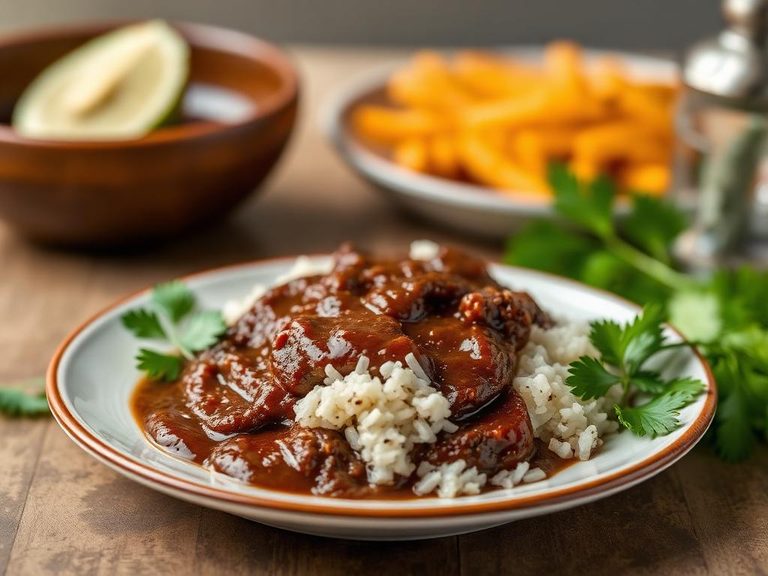
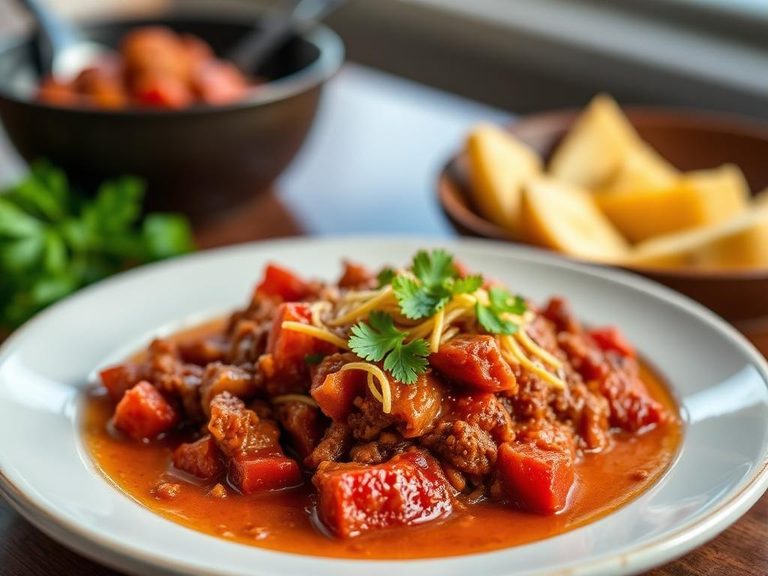
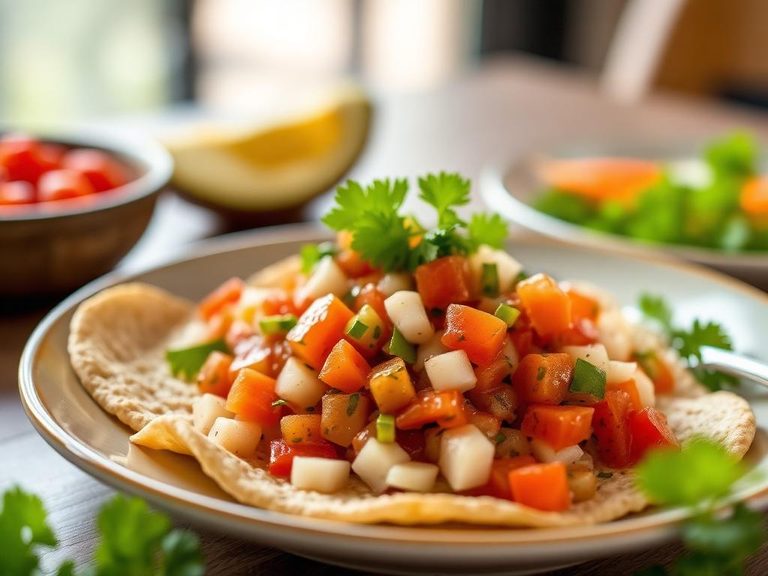
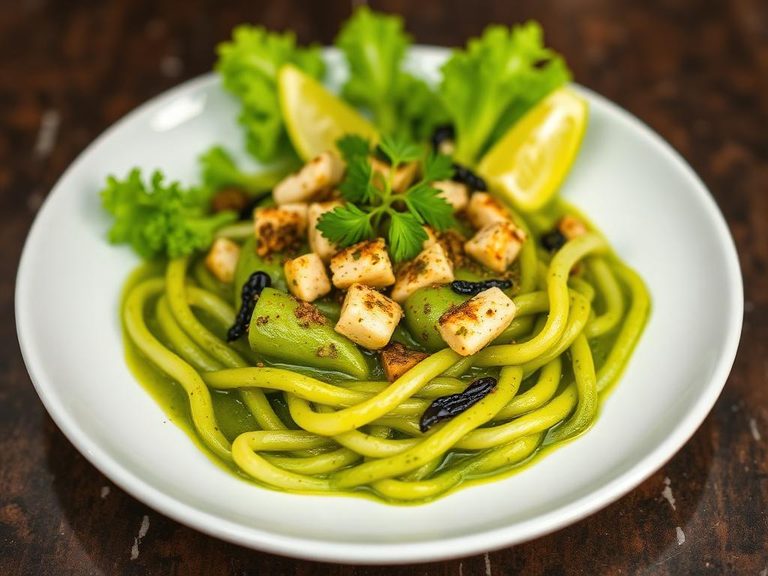

🌍 Where it's eaten
💡 Did you know?
The pasilla is one of the 'holy trinity' of dried chiles in Mexican cuisine, alongside the ancho and the guajillo, each playing a distinct and crucial role in traditional sauces.
Full nutrition (USDA data · scales with serving)
| Water | 14.8 g |
| Energy | 345 kcal |
| Energy | 1443 kj |
| Protein | 12.3 g |
| Total lipid (fat) | 15.8 g |
| Ash | 5.8 g |
| Carbohydrate, by difference | 51.1 g |
| Fiber, total dietary | 26.8 g |
| Calcium, Ca | 97.0 mg |
| Iron, Fe | 9.8 mg |
| Magnesium, Mg | 130 mg |
| Phosphorus, P | 267 mg |
| Potassium, K | 2222 mg |
| Sodium, Na | 89.0 mg |
| Zinc, Zn | 1.4 mg |
| Copper, Cu | 0.42 mg |
| Manganese, Mn | 1.6 mg |
| Selenium, Se | 3.2 ug |
| Vitamin C, total ascorbic acid | 6.4 mg |
| Thiamin | 0.17 mg |
| Riboflavin | 3.2 mg |
| Niacin | 7.2 mg |
| Pantothenic acid | 1.6 mg |
| Vitamin B-6 | 4.2 mg |
| Folate, total | 170 ug |
| Folic acid | 0.00 ug |
| Folate, food | 170 ug |
| Folate, DFE | 170 ug |
| Vitamin B-12 | 0.00 ug |
| Vitamin A, RAE | 1788 ug |
| Retinol | 0.00 ug |
| Vitamin A, IU | 35760 iu |
| Vitamin D (D2 + D3), International Units | 0.00 iu |
| Vitamin D (D2 + D3) | 0.00 ug |
| Alcohol, ethyl | 0.00 g |
Fat & fatty acid profile (per 100g)
| Fatty acids, total trans | 0.00 g |
| Cholesterol | 0.00 mg |
Amino acid profile (per 100g)
Estimated from Peppers, sweet, red, frozen, chopped, unprepared — USDA does not publish this profile for Peppers.
| Tryptophan | 0.01 g |
| Threonine | 0.04 g |
| Isoleucine | 0.04 g |
| Leucine | 0.06 g |
| Lysine | 0.05 g |
| Methionine | 0.01 g |
| Cystine | 0.02 g |
| Phenylalanine | 0.03 g |
| Tyrosine | 0.02 g |
| Valine | 0.04 g |
| Arginine | 0.05 g |
| Histidine | 0.02 g |
| Alanine | 0.04 g |
| Aspartic acid | 0.15 g |
| Glutamic acid | 0.14 g |
| Glycine | 0.04 g |
| Proline | 0.05 g |
| Serine | 0.04 g |
FAQ
How do I prepare a dried pasilla pepper?
First, toast it lightly in a dry skillet for a few seconds per side to awaken its oils. Then, remove the stem and seeds, and soak it in hot water or broth for 15-30 minutes until pliable. It's now ready to be blended into sauces or chopped.
What's the difference between a pasilla and an ancho pepper?
While both are dried chiles, the pasilla is long, thin, and dark with a berry-like flavor. The ancho is the dried poblano, which is wider, heart-shaped, and has a sweeter, more raisin-like taste.
Can I substitute a pasilla pepper?
In a pinch, a combination of ancho chile (for sweetness) and a small amount of chipotle (for smokiness) can approximate its depth, though the unique flavor profile will be different.
Nutrient density (calculated · NRF9.3)
Nutrient Rich Foods index: beneficial nutrients (protein, fiber, vitamins, minerals) minus saturated fat, added sugar & sodium, per 100 kcal.
NRF9.3 index — Fulgoni, Keast & Drewnowski, 2009. Computed from USDA nutrients.
Weight-loss friendliness (composite index)
Energy density 3.45 kcal/g · 14% calories from protein · 26.8 g fiber · 0.0 g sugar per 100 g.
Composite of energy density (Rolls et al., 1999), protein & fiber satiety, minus sugar. A calculated heuristic — ranks satiety-per-calorie, not a clinical measure.
Dietary load (calculated from USDA values)
Potential renal acid load. Positive = acid-forming, negative = alkaline-forming.
Sodium-to-potassium ratio: 0.04 (lower is better — aim for ≤ 1)
Sodium:potassium per WHO potassium guidance. Computed from USDA nutrients.