

Nuts, acorns, raw
Whole food · Nut and Seed Products

Photo: Wikipedia
Acorns are the nut of the oak tree, with a hard, tannic shell concealing a starchy, mildly sweet kernel. When raw, they have a firm, dense texture and a flavor reminiscent of a cross between a hazelnut and a sweet potato, but with a distinct astringent bite. Nutritionally, they are a dense source of energy, primarily from carbohydrates and fats, with a modest protein content.
Calorie split: 6% protein · 41% carbs · 53% fat
↓ Full nutrition💚 Why it's loved
People cherish acorns for their deep, earthy, nutty flavor that forms the base of traditional dishes like acorn flour bread and porridge. Their historical significance as a foraged staple connects them to cultural heritage and self-sufficiency.
⚠️ Watch-outs & how to enjoy it better
Raw acorns are high in bitter, indigestible tannins that can cause stomach upset and must be leached. They are also a source of oxalates and are a common allergen for those with tree nut sensitivities. To counteract tannins, acorns must be shelled, ground, and soaked in multiple changes of water or processed with an alkaline solution like wood ash before consumption.
Key benefits
- High in energy-dense calories for foraging and survival.
- Contains healthy monounsaturated and polyunsaturated fats.
- Source of minerals like manganese, potassium, and magnesium.
- A traditional, sustainable wild food source.
🍽️ Popular dishes
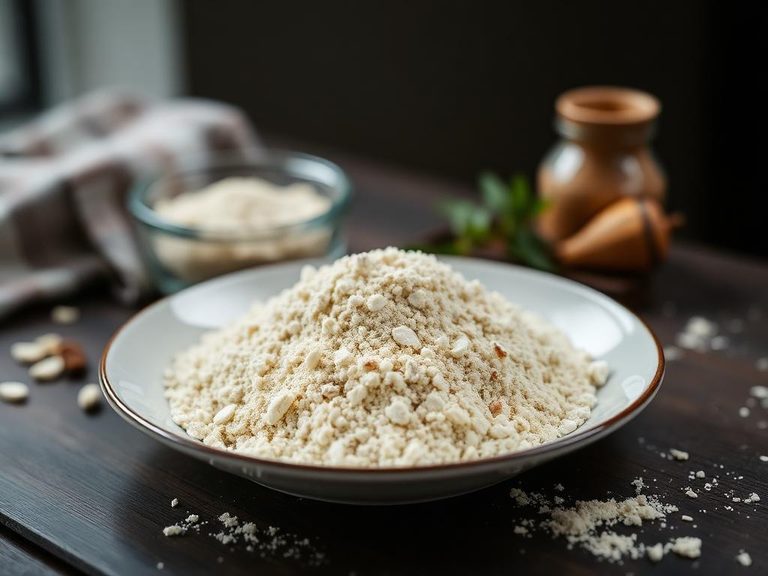
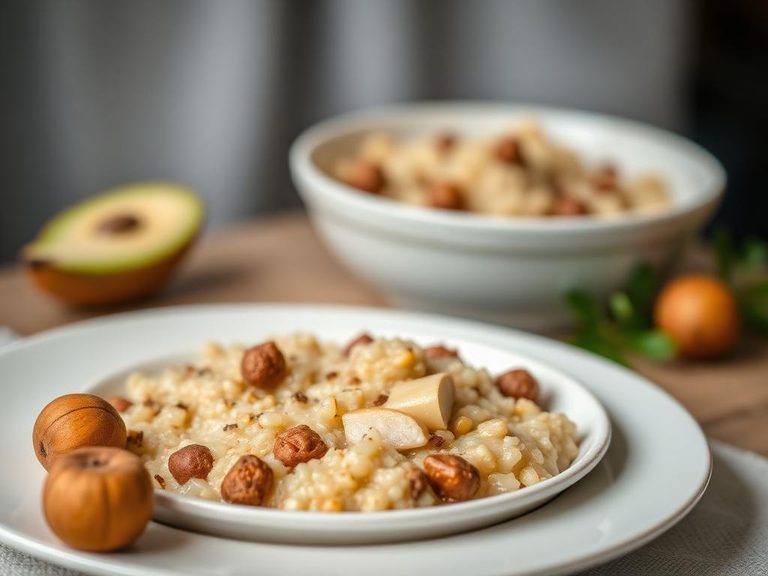
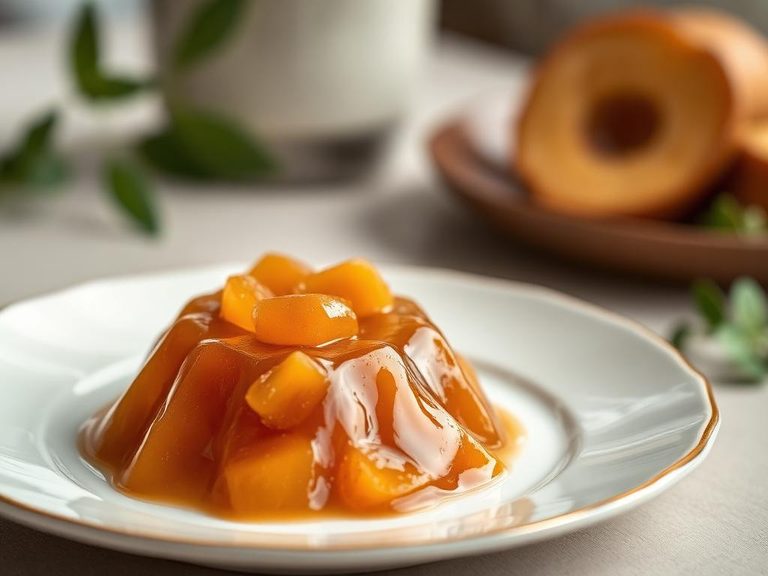

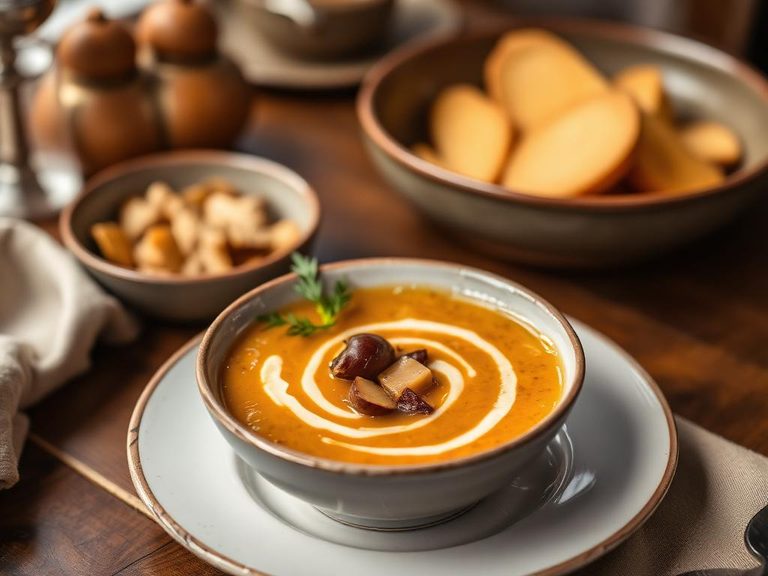
🌍 Where it's eaten
💡 Did you know?
The tannins in acorns are so effective as a dye that they were historically used to create permanent black ink and to tan leather.
Full nutrition (USDA data · scales with serving)
| Water | 27.9 g |
| Energy | 387 kcal |
| Energy | 1619 kj |
| Protein | 6.2 g |
| Total lipid (fat) | 23.9 g |
| Ash | 1.4 g |
| Carbohydrate, by difference | 40.8 g |
| Calcium, Ca | 41.0 mg |
| Iron, Fe | 0.79 mg |
| Magnesium, Mg | 62.0 mg |
| Phosphorus, P | 79.0 mg |
| Potassium, K | 539 mg |
| Sodium, Na | 0.00 mg |
| Zinc, Zn | 0.51 mg |
| Copper, Cu | 0.62 mg |
| Manganese, Mn | 1.3 mg |
| Vitamin C, total ascorbic acid | 0.00 mg |
| Thiamin | 0.11 mg |
| Riboflavin | 0.12 mg |
| Niacin | 1.8 mg |
| Pantothenic acid | 0.71 mg |
| Vitamin B-6 | 0.53 mg |
| Folate, total | 87.0 ug |
| Folic acid | 0.00 ug |
| Folate, food | 87.0 ug |
| Folate, DFE | 87.0 ug |
| Vitamin B-12 | 0.00 ug |
| Vitamin A, RAE | 2.0 ug |
| Retinol | 0.00 ug |
| Vitamin A, IU | 39.0 iu |
Fat & fatty acid profile (per 100g)
| Fatty acids, total saturated | 3.1 g |
| SFA 16:0 | 2.9 g |
| SFA 18:0 | 0.25 g |
| Fatty acids, total monounsaturated | 15.1 g |
| MUFA 18:1 | 15.1 g |
| Fatty acids, total polyunsaturated | 4.6 g |
| PUFA 18:2 | 4.6 g |
| Cholesterol | 0.00 mg |
Amino acid profile (per 100g)
| Tryptophan | 0.07 g |
| Threonine | 0.24 g |
| Isoleucine | 0.28 g |
| Leucine | 0.49 g |
| Lysine | 0.38 g |
| Methionine | 0.10 g |
| Cystine | 0.11 g |
| Phenylalanine | 0.27 g |
| Tyrosine | 0.19 g |
| Valine | 0.34 g |
| Arginine | 0.47 g |
| Histidine | 0.17 g |
| Alanine | 0.35 g |
| Aspartic acid | 0.64 g |
| Glutamic acid | 0.99 g |
| Glycine | 0.28 g |
| Proline | 0.25 g |
| Serine | 0.26 g |
FAQ
Can you eat acorns straight from the tree?
No, raw acorns contain high levels of tannins, which are bitter and astringent, and can cause digestive distress. They must be processed to remove the tannins before eating.
How do you remove the tannins?
The most common method is leaching: shelling the acorns, chopping or grinding the kernels, and soaking them in multiple changes of cold water over several days until the water runs clear and the bitterness is gone.
What do acorns taste like when prepared?
Once leached, acorns have a mild, nutty, and slightly sweet flavor, often compared to a cross between a hazelnut and a sweet potato, with a dense, starchy texture.
Nutrient density (calculated · NRF9.3)
Nutrient Rich Foods index: beneficial nutrients (protein, fiber, vitamins, minerals) minus saturated fat, added sugar & sodium, per 100 kcal.
NRF9.3 index — Fulgoni, Keast & Drewnowski, 2009. Computed from USDA nutrients.
Weight-loss friendliness (composite index)
Energy density 3.87 kcal/g · 6% calories from protein · 0.0 g fiber · 0.0 g sugar per 100 g.
Composite of energy density (Rolls et al., 1999), protein & fiber satiety, minus sugar. A calculated heuristic — ranks satiety-per-calorie, not a clinical measure.
Dietary load (calculated from USDA values)
Potential renal acid load. Positive = acid-forming, negative = alkaline-forming.
Sodium-to-potassium ratio: 0.00 (lower is better — aim for ≤ 1)
Sodium:potassium per WHO potassium guidance. Computed from USDA nutrients.