

Acorn porridge
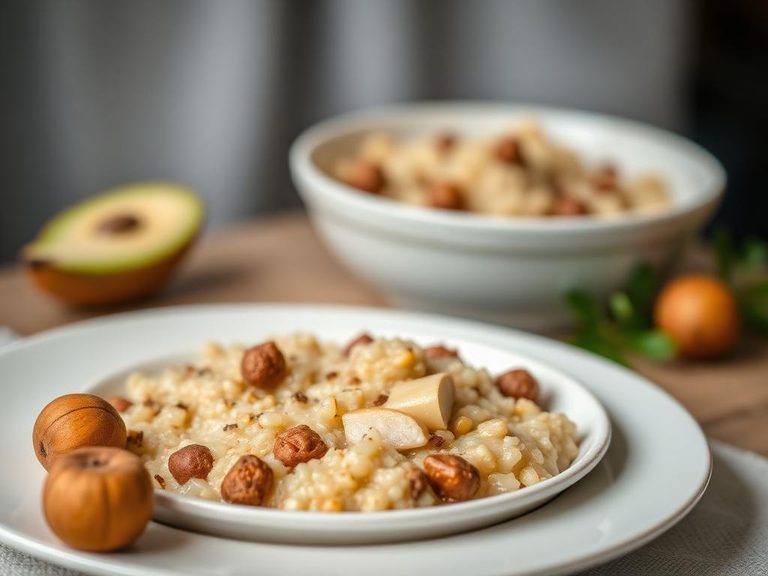
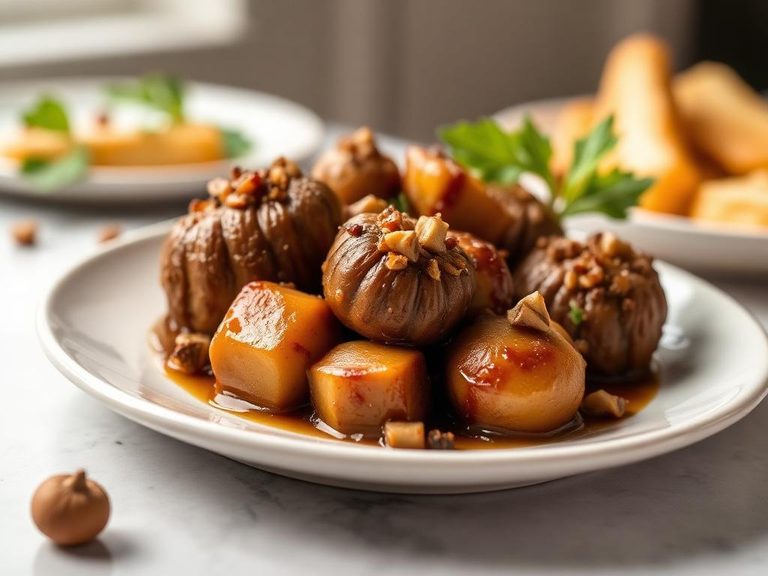
Acorn porridge, known as 'dotori-muk' in Korea, is a traditional jelly-like dish made from acorn flour and water. It is typically served cold as a savory side dish or appetizer, often seasoned with soy sauce, sesame oil, and green onions. The dish originates from Korea and is also found in other East Asian cuisines.
🍽️ Nutrition at a glance
Acorn porridge is low in fat and moderate in carbohydrates, providing a good source of dietary fiber and essential minerals. A typical serving contains around 150-200 calories, making it a light yet nutritious option.
Nutrition breakdown
| Calories | 170 kcal |
| Protein | 3 g |
| Carbs | 38 g |
| Fat | 1 g |
| Fiber | 5 g |
| Sugar | 2 g |
| Sodium | 300 mg |
| Potassium | 250 mg |
| Iron | 2 mg |
| Magnesium | 40 mg |
| Phosphorus | 60 mg |
| Manganese | 1.5 mg |
| Vitamin B6 | 0.1 mg |
| Copper | 0.3 mg |
| Zinc | 0.8 mg |
Per 1 cup (240 g) · estimated, varies by recipe
💡 What's interesting
Acorn porridge is unique for its use of acorns, which require careful leaching to remove tannins before consumption. Nutritionally, it is rich in antioxidants and has been traditionally valued for its potential health benefits, such as aiding digestion.
🍽️ Related dishes




AI estimate may be inaccurate · Terms