

Naranjilla (lulo) pulp, frozen, unsweetened
Whole food · Fruits and Fruit Juices

Photo: Wikipedia
Naranjilla, or lulo, is a vibrant, fuzzy-skinned tropical fruit with a uniquely aromatic, tangy pulp often compared to a blend of rhubarb, lime, and pineapple. When frozen and unsweetened, its bright, juicy pulp retains a refreshingly tart flavor and a slightly gritty, seedy texture. Nutritionally, it's a low-calorie source of fiber and natural sugars, with a notable amount of Vitamin C.
Calorie split: 6% protein · 86% carbs · 7% fat
↓ Full nutrition💚 Why it's loved
People adore naranjilla for its intensely aromatic, one-of-a-kind tropical flavor that instantly transports you to the Andes. It's incredibly versatile, used to make everything from refreshing juices and sorbets to savory sauces, and is a beloved staple in Colombian and Ecuadorian cuisine.
⚠️ Watch-outs & how to enjoy it better
Its high natural sugar content can cause blood-sugar spikes if consumed in large quantities, and its strong acidity may bother those with acid reflux. To counteract this, pair it with a source of protein or healthy fat (like yogurt or nuts) to slow sugar absorption, and practice portion control.
Key benefits
- Excellent source of Vitamin C
- Good source of dietary fiber
- Low in calories and fat
- Contains antioxidants like beta-carotene
- Provides a unique, refreshing flavor profile
🍽️ Popular dishes
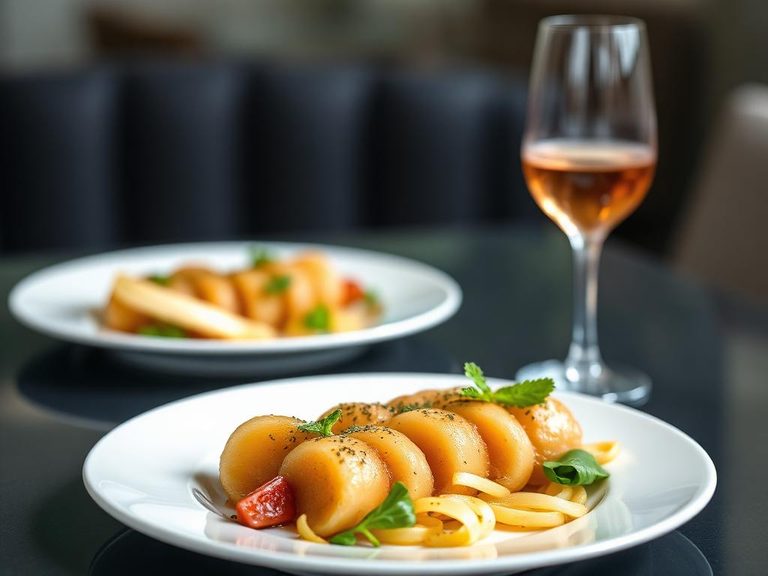
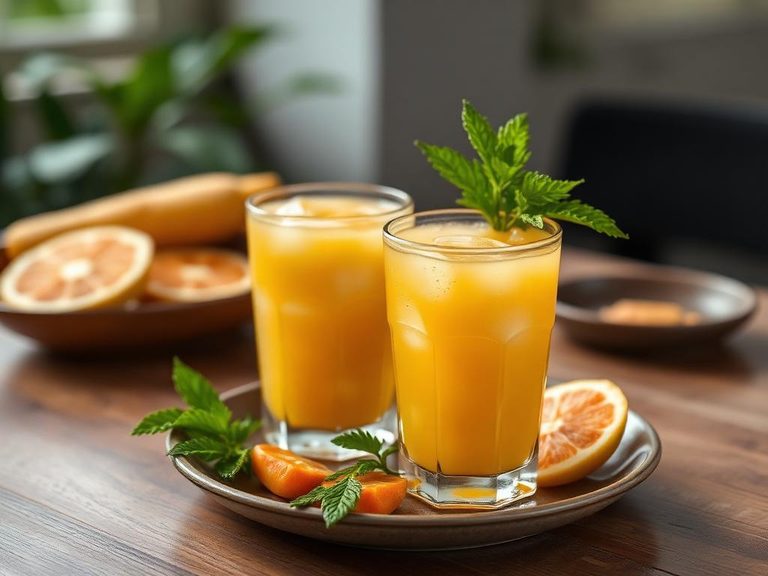
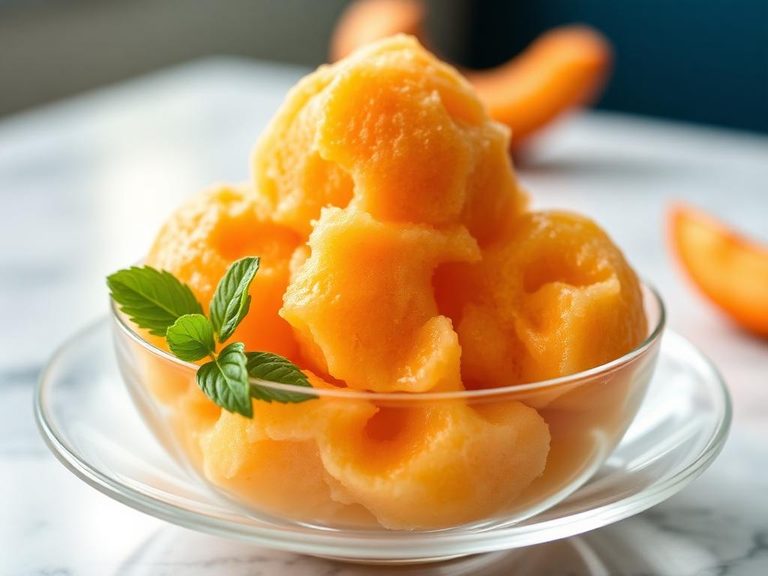
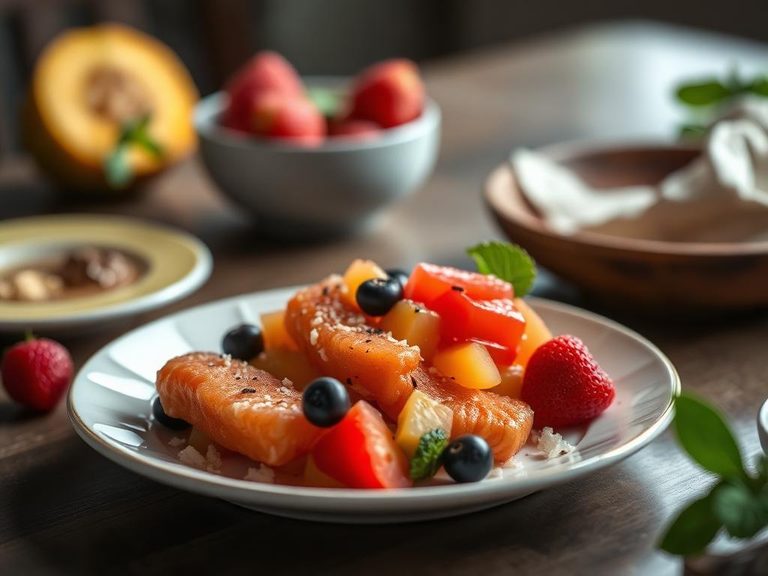
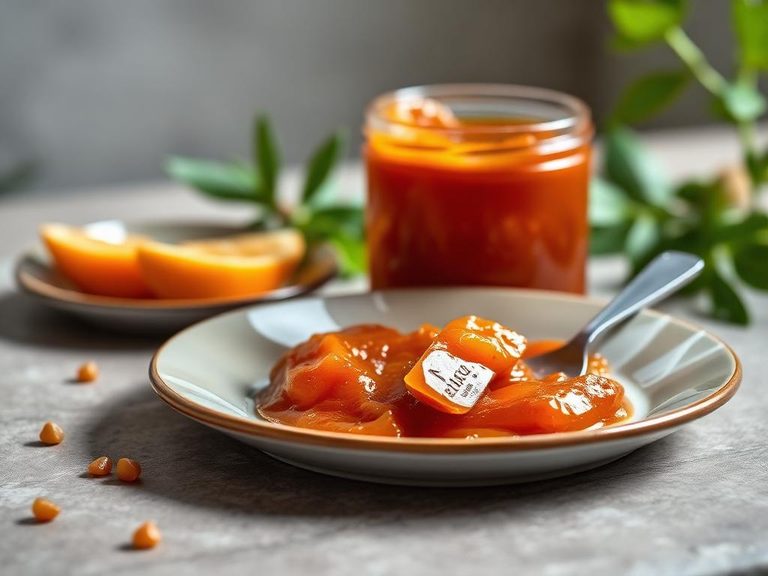
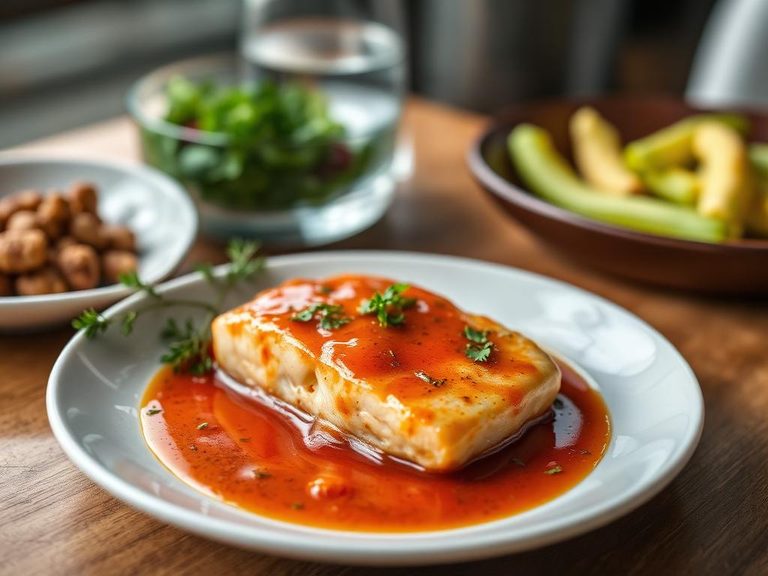
🌍 Where it's eaten
💡 Did you know?
Despite its name (which means 'little orange' in Spanish), naranjilla is not closely related to oranges; it belongs to the nightshade family, making it a cousin of tomatoes and eggplants.
Full nutrition (USDA data · scales with serving)
| Water | 93.0 g |
| Energy | 25.0 kcal |
| Energy | 103 kj |
| Protein | 0.44 g |
| Total lipid (fat) | 0.22 g |
| Ash | 0.39 g |
| Carbohydrate, by difference | 5.9 g |
| Fiber, total dietary | 1.1 g |
| Total Sugars | 3.7 g |
| Sucrose | 1.7 g |
| Glucose | 0.99 g |
| Fructose | 1.0 g |
| Lactose | 0.00 g |
| Maltose | 0.00 g |
| Galactose | 0.00 g |
| Calcium, Ca | 8.0 mg |
| Iron, Fe | 0.35 mg |
| Magnesium, Mg | 11.0 mg |
| Phosphorus, P | 12.0 mg |
| Potassium, K | 200 mg |
| Sodium, Na | 4.0 mg |
| Zinc, Zn | 0.10 mg |
| Copper, Cu | 0.03 mg |
| Manganese, Mn | 0.07 mg |
| Selenium, Se | 0.40 ug |
| Vitamin C, total ascorbic acid | 3.2 mg |
| Thiamin | 0.04 mg |
| Riboflavin | 0.00 mg |
| Niacin | 1.4 mg |
| Pantothenic acid | 0.22 mg |
| Vitamin B-6 | 0.11 mg |
| Folate, total | 3.0 ug |
| Folic acid | 0.00 ug |
| Folate, food | 3.0 ug |
| Folate, DFE | 3.0 ug |
| Vitamin A, RAE | 28.0 ug |
| Carotene, beta | 333 ug |
| Carotene, alpha | 4.0 ug |
| Cryptoxanthin, beta | 10.0 ug |
| Vitamin A, IU | 568 iu |
| Lycopene | 0.00 ug |
| Lutein + zeaxanthin | 299 ug |
| Vitamin E (alpha-tocopherol) | 0.75 mg |
| Tocopherol, beta | 0.00 mg |
| Tocopherol, gamma | 0.20 mg |
| Tocopherol, delta | 0.00 mg |
| Tocotrienol, alpha | 0.01 mg |
| Tocotrienol, beta | 0.00 mg |
| Tocotrienol, gamma | 0.01 mg |
| Tocotrienol, delta | 0.00 mg |
| Vitamin K (phylloquinone) | 14.6 ug |
Fat & fatty acid profile (per 100g)
| Fatty acids, total trans | 0.00 g |
FAQ
What does naranjilla taste like?
It has a unique, complex flavor often described as a mix of rhubarb, lime, and pineapple, with a distinct tropical aroma and a tart, refreshing taste.
Is frozen naranjilla pulp as good as fresh?
Yes, freezing is the best way to preserve its vibrant flavor and color. The texture may become slightly softer upon thawing, but the taste remains excellent for juices, desserts, and sauces.
How do I use frozen naranjilla pulp?
Thaw it and blend with water and sugar to make juice, use it directly in smoothies or sorbets, or cook it down into jams and sauces. No need to peel or seed if using pre-made pulp.
Nutrient density (calculated · NRF9.3)
Nutrient Rich Foods index: beneficial nutrients (protein, fiber, vitamins, minerals) minus saturated fat, added sugar & sodium, per 100 kcal.
NRF9.3 index — Fulgoni, Keast & Drewnowski, 2009. Computed from USDA nutrients.
Weight-loss friendliness (composite index)
Energy density 0.25 kcal/g · 7% calories from protein · 1.1 g fiber · 3.7 g sugar per 100 g.
Composite of energy density (Rolls et al., 1999), protein & fiber satiety, minus sugar. A calculated heuristic — ranks satiety-per-calorie, not a clinical measure.
Dietary load (calculated from USDA values)
Potential renal acid load. Positive = acid-forming, negative = alkaline-forming.
Sodium-to-potassium ratio: 0.02 (lower is better — aim for ≤ 1)
Sodium:potassium per WHO potassium guidance. Computed from USDA nutrients.