

Lamb, variety meats and by-products, spleen, cooked, braised
Whole food · Lamb, Veal, and Game Products

Photo: Wikipedia
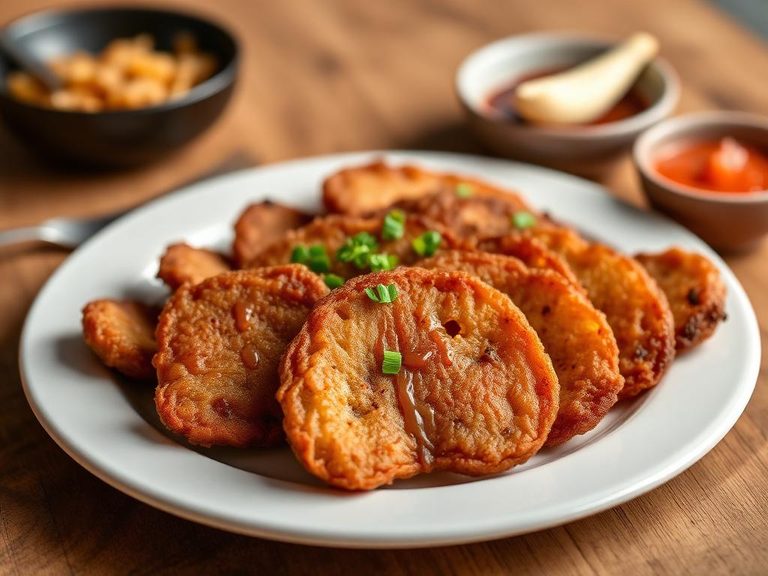
Lamb spleen is a tender, iron-rich organ meat with a delicate, slightly sweet flavor and a smooth, creamy texture when braised. Its deep, savory profile is milder than liver, making it a surprisingly approachable entry into offal. Nutritionally, it's a powerhouse of protein and bioavailable iron with virtually no carbohydrates.
Calorie split: 71% protein · 0% carbs · 29% fat
↓ Full nutrition💚 Why it's loved
People cherish lamb spleen for its unique, luxurious texture that melts in the mouth when cooked properly. It's valued in many cuisines as an economical, nutrient-dense ingredient that absorbs spices and sauces beautifully.
⚠️ Watch-outs & how to enjoy it better
Its strong, mineral-rich flavor and unfamiliar texture can be off-putting to some. Those with iron overload conditions (like hemochromatosis) should consume it sparingly. To mitigate the intense taste, soak it in cold water or milk for an hour before cooking, and pair it with bold acids like lemon juice or vinegar to brighten the dish.
Key benefits
- Exceptionally high in heme iron, crucial for energy and oxygen transport.
- Excellent source of complete protein for muscle maintenance.
- Rich in vitamin B12, essential for nerve function and red blood cell formation.
- Contains significant selenium, an important antioxidant mineral.
- Naturally very low in carbohydrates and sugars.
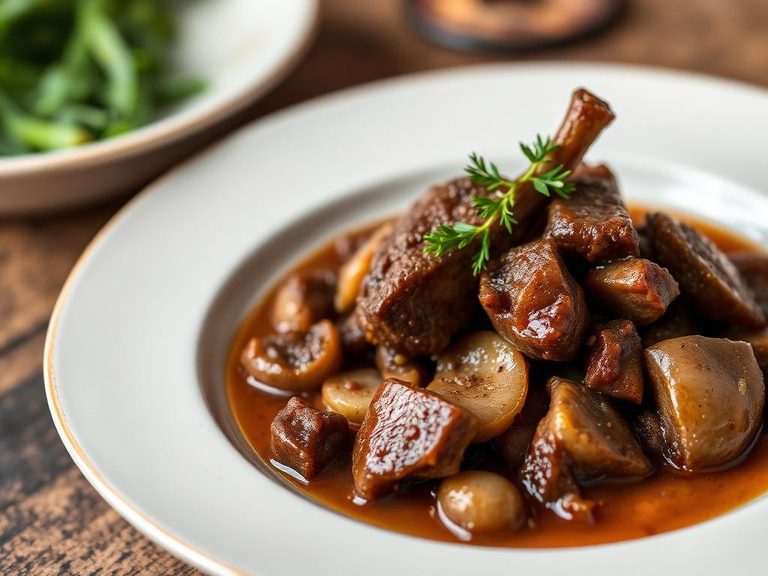
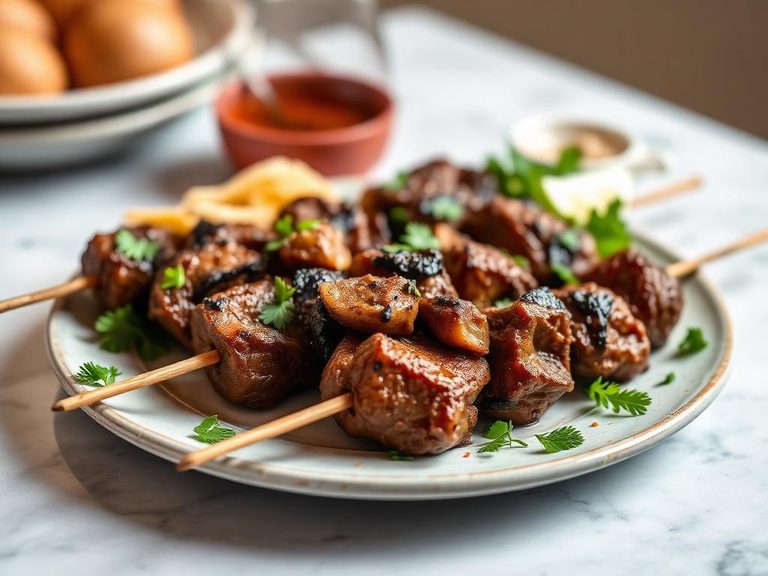
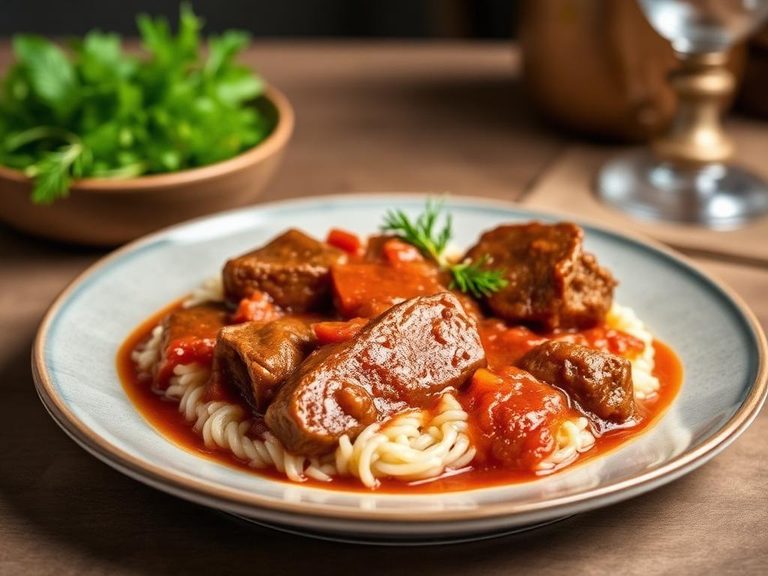
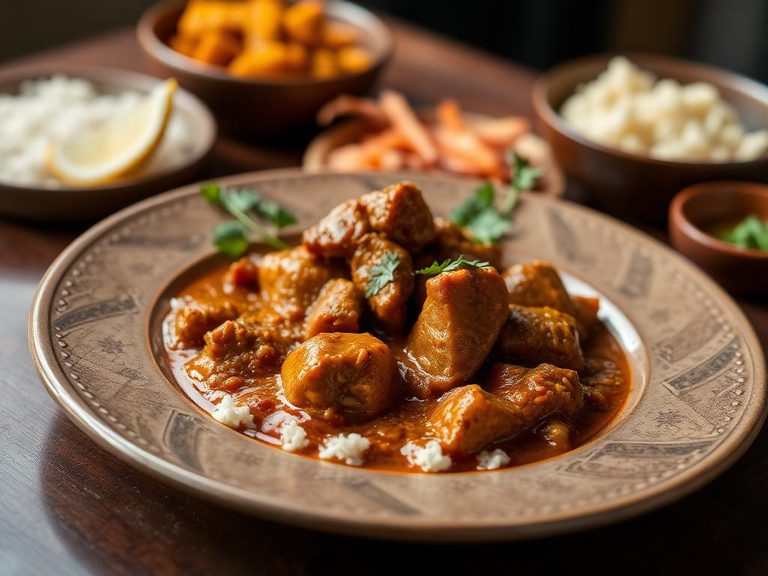
🍽️ Popular dishes
🌍 Where it's eaten
💡 Did you know?
The spleen is the body's largest lymphoid organ, and in culinary terms, it's often referred to as the 'sweetbread' of the lamb, though it's anatomically distinct from the pancreas or thymus.
Full nutrition (USDA data · scales with serving)
| Water | 66.4 g |
| Energy | 156 kcal |
| Energy | 653 kj |
| Protein | 26.5 g |
| Total lipid (fat) | 4.8 g |
| Ash | 2.0 g |
| Carbohydrate, by difference | 0.00 g |
| Fiber, total dietary | 0.00 g |
| Calcium, Ca | 13.0 mg |
| Iron, Fe | 38.7 mg |
| Magnesium, Mg | 21.0 mg |
| Phosphorus, P | 341 mg |
| Potassium, K | 248 mg |
| Sodium, Na | 58.0 mg |
| Zinc, Zn | 3.9 mg |
| Copper, Cu | 0.14 mg |
| Manganese, Mn | 0.06 mg |
| Selenium, Se | 49.8 ug |
| Vitamin C, total ascorbic acid | 26.0 mg |
| Thiamin | 0.05 mg |
| Riboflavin | 0.32 mg |
| Niacin | 5.9 mg |
| Vitamin B-6 | 0.08 mg |
| Folate, total | 4.0 ug |
| Folic acid | 0.00 ug |
| Folate, food | 4.0 ug |
| Folate, DFE | 4.0 ug |
| Vitamin B-12 | 5.3 ug |
| Vitamin A, RAE | 0.00 ug |
| Retinol | 0.00 ug |
| Vitamin A, IU | 0.00 iu |
Fat & fatty acid profile (per 100g)
| Fatty acids, total saturated | 1.6 g |
| Fatty acids, total monounsaturated | 1.3 g |
| Fatty acids, total polyunsaturated | 0.35 g |
| Cholesterol | 385 mg |
Amino acid profile (per 100g)
| Tryptophan | 0.29 g |
| Threonine | 1.1 g |
| Isoleucine | 1.7 g |
| Leucine | 2.4 g |
| Lysine | 2.0 g |
| Methionine | 0.50 g |
| Cystine | 0.34 g |
| Phenylalanine | 1.2 g |
| Tyrosine | 0.77 g |
| Valine | 1.7 g |
| Arginine | 1.7 g |
| Histidine | 0.88 g |
| Alanine | 1.7 g |
| Aspartic acid | 2.3 g |
| Glutamic acid | 3.1 g |
| Glycine | 1.7 g |
| Proline | 1.5 g |
| Serine | 1.2 g |
FAQ
How do I prepare lamb spleen to reduce its strong flavor?
Soaking the spleen in cold water, milk, or a light brine for 30-60 minutes before cooking helps draw out some of the blood and mellow the mineral taste. Patting it very dry and then searing it quickly over high heat also helps develop a pleasant crust.
Is lamb spleen safe to eat?
Yes, when sourced from a reputable butcher and cooked thoroughly to an internal temperature of at least 145°F (63°C) with a 3-minute rest. As with all organ meats, it should be consumed in moderation as part of a balanced diet.
What does lamb spleen taste like compared to liver?
Lamb spleen has a much milder, sweeter, and less metallic flavor than liver. Its texture is smoother, denser, and creamier, without the slightly grainy or crumbly quality of liver.
Nutrient density (calculated · NRF9.3)
Nutrient Rich Foods index: beneficial nutrients (protein, fiber, vitamins, minerals) minus saturated fat, added sugar & sodium, per 100 kcal.
NRF9.3 index — Fulgoni, Keast & Drewnowski, 2009. Computed from USDA nutrients.
Weight-loss friendliness (composite index)
Energy density 1.56 kcal/g · 68% calories from protein · 0.0 g fiber · 0.0 g sugar per 100 g.
Composite of energy density (Rolls et al., 1999), protein & fiber satiety, minus sugar. A calculated heuristic — ranks satiety-per-calorie, not a clinical measure.
Dietary load (calculated from USDA values)
Potential renal acid load. Positive = acid-forming, negative = alkaline-forming.
Sodium-to-potassium ratio: 0.23 (lower is better — aim for ≤ 1)
Sodium:potassium per WHO potassium guidance. Computed from USDA nutrients.