

Flour, soy, full-fat
Whole food · Legumes and Legume Products
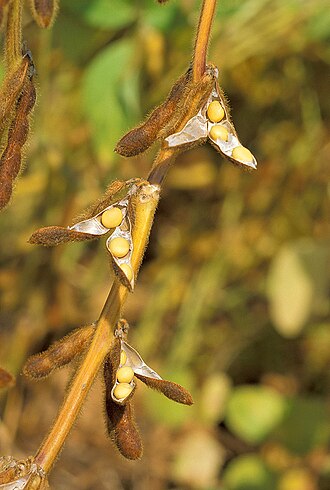
Photo: Wikipedia
Full-fat soy flour is a dense, nutty powder made from roasted, dehulled soybeans, offering a rich, earthy flavor and a fine, slightly gritty texture. It is a nutritional powerhouse, packing a remarkable 38.6 grams of protein and 20.7 grams of healthy fats per 100 grams, making it one of the most protein-dense flours available. Its high calorie count (452 kcal per 100g) reflects its substantial fat and protein content, providing a concentrated source of energy and satiety.
Calorie split: 34% protein · 25% carbs · 41% fat
↓ Full nutrition💚 Why it's loved
People love full-fat soy flour for its ability to add a deep, nutty richness and a moist, tender crumb to baked goods, from pancakes to breads. Its versatility in both sweet and savory dishes, combined with its impressive protein boost, makes it a staple in health-conscious and plant-based kitchens.
⚠️ Watch-outs & how to enjoy it better
Soy is a common allergen, and some individuals may experience digestive discomfort like bloating due to its oligosaccharide content. To mitigate this, start with small portions, and consider pairing it with digestive-friendly spices like ginger or fennel. For those monitoring blood sugar, its low fiber and sugar content is beneficial, but its high calorie density requires mindful portioning to avoid excess calorie intake.
Key benefits
- Exceptionally high in plant-based protein (38.6g per 100g)
- Rich in healthy unsaturated fats from soybeans
- Provides a good source of iron, potassium, and B vitamins
- Adds moisture and richness to baked goods
- Naturally gluten-free, suitable for celiac diets
🍽️ Popular dishes

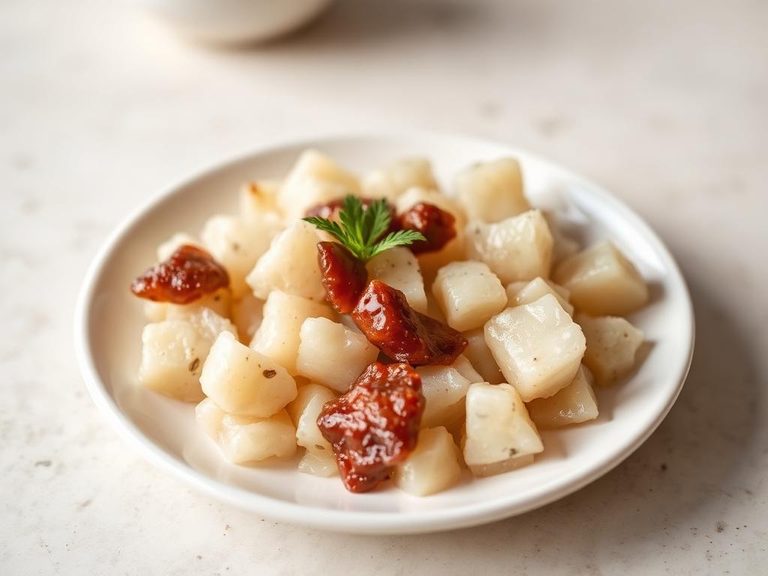
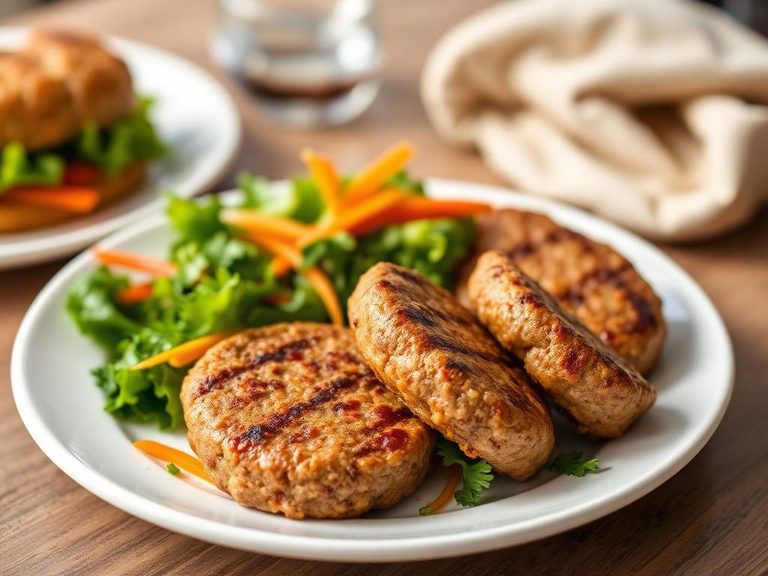
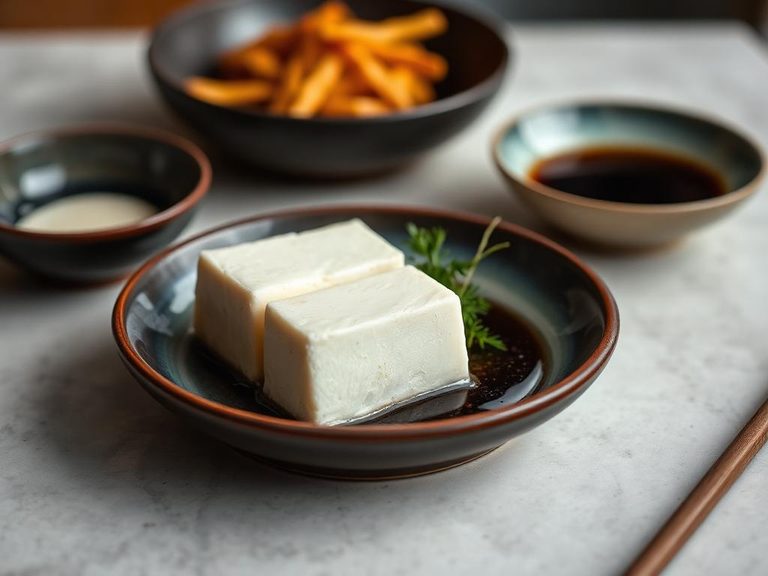

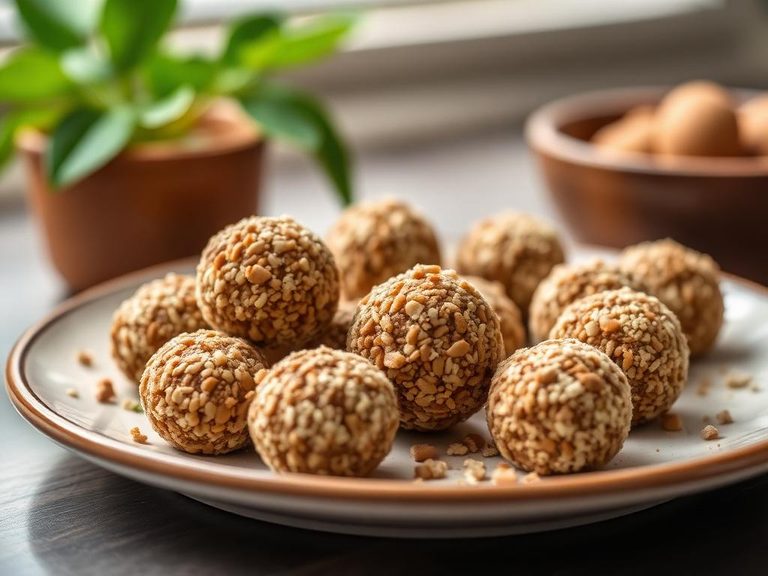
🌍 Where it's eaten
💡 Did you know?
Full-fat soy flour is sometimes called 'soybean meal' in animal feed contexts, but in human food, it's a key ingredient in the traditional Japanese dish 'natto' (fermented soybeans), where its high protein and fat content contribute to the sticky, pungent texture.
Full nutrition (USDA data · scales with serving)
| Water | 7.8 g |
| Energy (Atwater General Factors) | 452 kcal |
| Energy (Atwater Specific Factors) | 421 kcal |
| Energy | 452 kcal |
| Energy | 1890 kj |
| Nitrogen | 6.2 g |
| Protein | 38.6 g |
| Total lipid (fat) | 20.7 g |
| Ash | 4.9 g |
| Carbohydrate, by difference | 27.9 g |
| Calcium, Ca | 258 mg |
| Iron, Fe | 9.5 mg |
| Magnesium, Mg | 254 mg |
| Phosphorus, P | 607 mg |
| Potassium, K | 1860 mg |
| Sodium, Na | 2.0 mg |
| Zinc, Zn | 3.8 mg |
| Copper, Cu | 1.1 mg |
| Manganese, Mn | 3.2 mg |
| Selenium, Se | 14.3 ug |
| Molybdenum, Mo | 314 ug |
| Thiamin | 0.36 mg |
| Riboflavin | 0.36 mg |
| Niacin | 2.7 mg |
| Vitamin B-6 | 0.34 mg |
Fat & fatty acid profile (per 100g)
Estimated from Peanut flour, low fat — USDA does not publish this profile for Flour.
| Fatty acids, total saturated | 3.0 g |
| SFA 14:0 | 0.01 g |
| SFA 16:0 | 2.3 g |
| SFA 18:0 | 0.49 g |
| Fatty acids, total monounsaturated | 10.9 g |
| MUFA 16:1 | 0.00 g |
| MUFA 18:1 | 10.6 g |
| MUFA 20:1 | 0.29 g |
| Fatty acids, total polyunsaturated | 6.9 g |
| PUFA 18:2 | 6.9 g |
| PUFA 18:3 | 0.00 g |
| Fatty acids, total trans | 0.00 g |
| Cholesterol | 0.00 mg |
Amino acid profile (per 100g)
| Tryptophan | 0.45 g |
| Threonine | 1.5 g |
| Isoleucine | 1.7 g |
| Leucine | 3.1 g |
| Lysine | 2.1 g |
| Methionine | 0.48 g |
| Phenylalanine | 2.1 g |
| Tyrosine | 1.4 g |
| Valine | 1.7 g |
| Arginine | 2.9 g |
| Histidine | 0.95 g |
| Alanine | 2.1 g |
| Aspartic acid | 3.8 g |
| Glutamic acid | 6.8 g |
| Glycine | 1.4 g |
| Proline | 2.1 g |
| Serine | 2.1 g |
| Hydroxyproline | 0.21 g |
| Cysteine | 0.77 g |
FAQ
What is the difference between full-fat and defatted soy flour?
Full-fat soy flour retains the natural oils of the soybean, giving it a higher fat content (20.7g per 100g) and a richer, nuttier flavor. Defatted soy flour has most of the oil removed, resulting in a higher protein concentration but a drier texture and milder taste.
Can I use full-fat soy flour as a direct substitute for wheat flour?
It's not a 1:1 substitute due to its lack of gluten and higher fat content. Typically, you can replace up to 25-30% of wheat flour with soy flour in recipes to boost protein and moisture without compromising structure.
Is full-fat soy flour suitable for a vegan diet?
Yes, it is a plant-based, vegan-friendly ingredient that provides a significant source of protein and healthy fats, making it a valuable addition to vegan baking and cooking.
Nutrient density (calculated · NRF9.3)
Nutrient Rich Foods index: beneficial nutrients (protein, fiber, vitamins, minerals) minus saturated fat, added sugar & sodium, per 100 kcal.
NRF9.3 index — Fulgoni, Keast & Drewnowski, 2009. Computed from USDA nutrients.
Weight-loss friendliness (composite index)
Energy density 4.52 kcal/g · 34% calories from protein · 0.0 g fiber · 0.0 g sugar per 100 g.
Composite of energy density (Rolls et al., 1999), protein & fiber satiety, minus sugar. A calculated heuristic — ranks satiety-per-calorie, not a clinical measure.
Dietary load (calculated from USDA values)
Potential renal acid load. Positive = acid-forming, negative = alkaline-forming.
Sodium-to-potassium ratio: 0.00 (lower is better — aim for ≤ 1)
Sodium:potassium per WHO potassium guidance. Computed from USDA nutrients.