

Fish, monkfish, raw
Whole food · Finfish and Shellfish Products

Photo: Wikipedia
Monkfish, often called 'poor man's lobster,' is a firm, meaty white fish with a mild, sweet flavor and a dense, succulent texture that holds up beautifully to various cooking methods. Nutritionally, it's a lean powerhouse, delivering high-quality protein with minimal fat and virtually no carbohydrates, making it a staple for low-calorie, high-protein diets.
Calorie split: 81% protein · 0% carbs · 19% fat
↓ Full nutrition💚 Why it's loved
People love monkfish for its unique, lobster-like texture that makes it a versatile and elegant centerpiece in both simple and sophisticated dishes. Its mild flavor acts as a perfect canvas for bold sauces, grilling, and pan-searing.
⚠️ Watch-outs & how to enjoy it better
Monkfish is a common allergen (fish allergy) and its liver, while a delicacy, can be high in vitamin A (hypervitaminosis A risk if consumed excessively). To counteract, ensure it's cooked thoroughly to eliminate any parasites and source from reputable suppliers; those with fish allergies must avoid it entirely.
Key benefits
- Excellent source of lean, high-quality protein
- Very low in fat and calories
- Contains important minerals like selenium and phosphorus
- Naturally free of carbohydrates and sugar
🍽️ Popular dishes
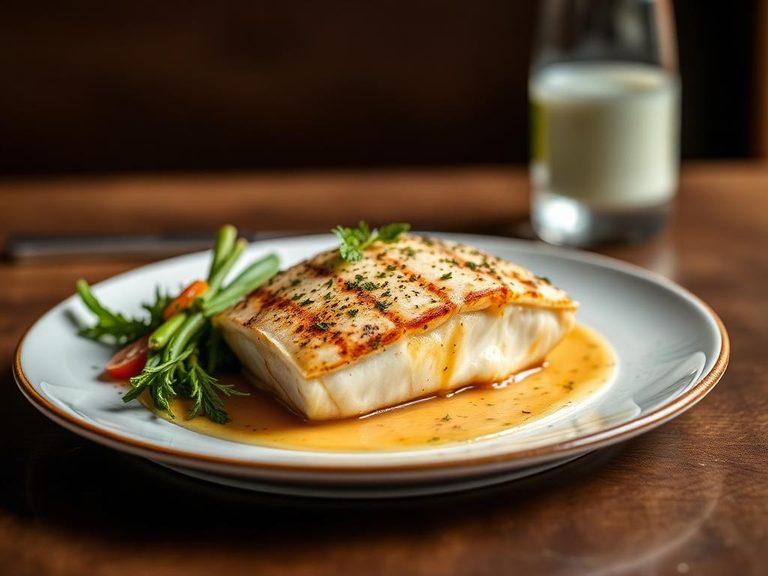
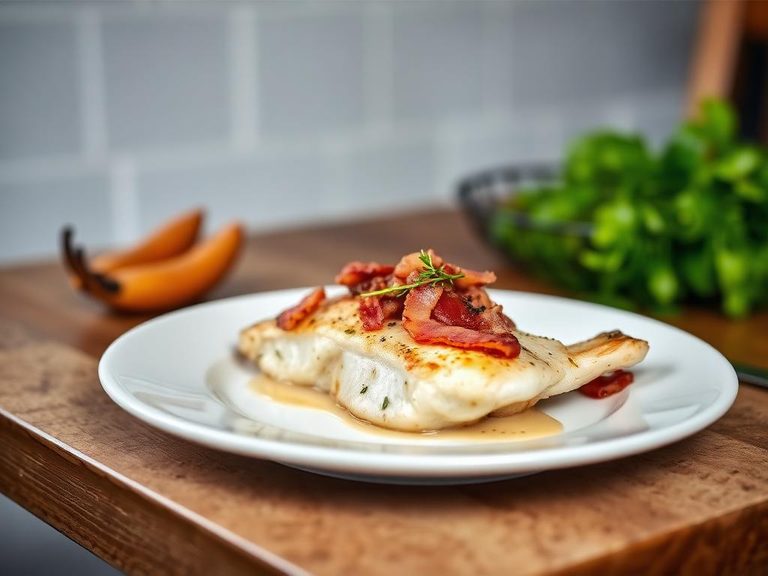
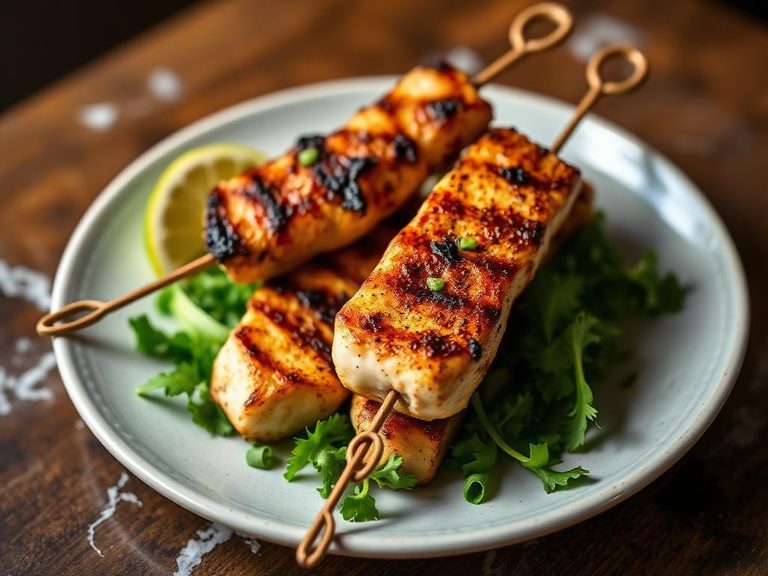
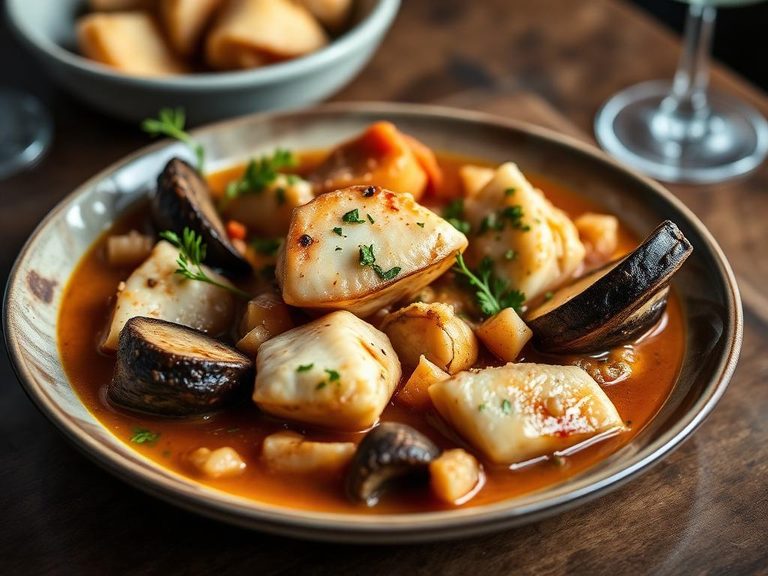
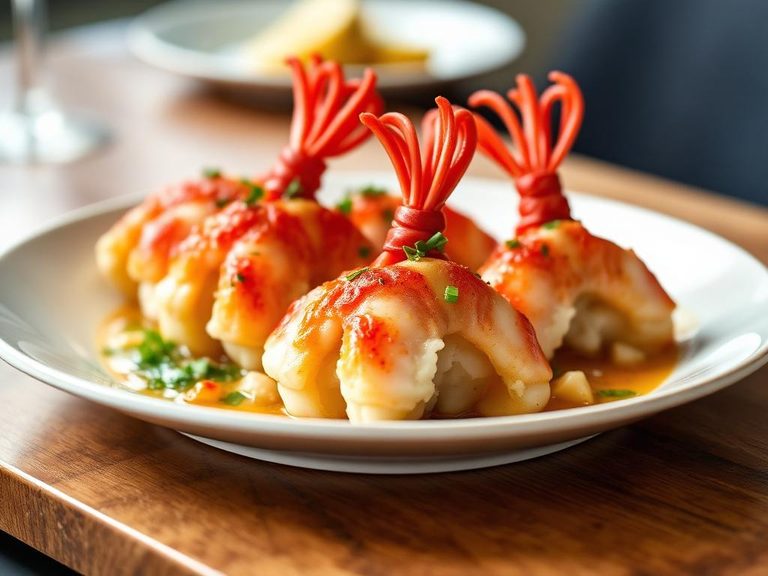
🌍 Where it's eaten
💡 Did you know?
Monkfish are ambush predators that lure prey with a bioluminescent lure (the esca) that protrudes from their head, making them look more like a deep-sea creature than a typical fish.
Full nutrition (USDA data · scales with serving)
| Water | 83.2 g |
| Energy | 76.0 kcal |
| Energy | 318 kj |
| Protein | 14.5 g |
| Total lipid (fat) | 1.5 g |
| Ash | 1.2 g |
| Carbohydrate, by difference | 0.00 g |
| Fiber, total dietary | 0.00 g |
| Calcium, Ca | 8.0 mg |
| Iron, Fe | 0.32 mg |
| Magnesium, Mg | 21.0 mg |
| Phosphorus, P | 200 mg |
| Potassium, K | 400 mg |
| Sodium, Na | 18.0 mg |
| Zinc, Zn | 0.41 mg |
| Copper, Cu | 0.03 mg |
| Manganese, Mn | 0.02 mg |
| Selenium, Se | 36.5 ug |
| Vitamin C, total ascorbic acid | 1.0 mg |
| Thiamin | 0.03 mg |
| Riboflavin | 0.06 mg |
| Niacin | 2.1 mg |
| Pantothenic acid | 0.15 mg |
| Vitamin B-6 | 0.24 mg |
| Folate, total | 7.0 ug |
| Folic acid | 0.00 ug |
| Folate, food | 7.0 ug |
| Folate, DFE | 7.0 ug |
| Vitamin B-12 | 0.90 ug |
| Vitamin A, RAE | 12.0 ug |
| Retinol | 12.0 ug |
| Vitamin A, IU | 40.0 iu |
Fat & fatty acid profile (per 100g)
| Fatty acids, total saturated | 0.34 g |
| Fatty acids, total monounsaturated | 0.24 g |
| Fatty acids, total polyunsaturated | 0.61 g |
| Cholesterol | 25.0 mg |
Amino acid profile (per 100g)
| Tryptophan | 0.16 g |
| Threonine | 0.64 g |
| Isoleucine | 0.67 g |
| Leucine | 1.2 g |
| Lysine | 1.3 g |
| Methionine | 0.43 g |
| Cystine | 0.15 g |
| Phenylalanine | 0.56 g |
| Tyrosine | 0.49 g |
| Valine | 0.75 g |
| Arginine | 0.87 g |
| Histidine | 0.43 g |
| Alanine | 0.88 g |
| Aspartic acid | 1.5 g |
| Glutamic acid | 2.2 g |
| Glycine | 0.69 g |
| Proline | 0.51 g |
| Serine | 0.59 g |
FAQ
Why is monkfish called 'poor man's lobster'?
The nickname comes from its firm, meaty texture and mild, slightly sweet flavor, which are reminiscent of lobster tail when cooked, especially when prepared with butter.
How do you properly clean and prepare monkfish?
Monkfish tails are sold with a tough, grey membrane (silverskin) that must be carefully trimmed off before cooking, as it does not break down and remains chewy.
What is the best way to cook monkfish?
Due to its dense texture, monkfish is excellent for high-heat methods like grilling, pan-searing, or broiling, which create a nice crust while keeping the interior moist. It also holds up well in stews and curries.
Nutrient density (calculated · NRF9.3)
Nutrient Rich Foods index: beneficial nutrients (protein, fiber, vitamins, minerals) minus saturated fat, added sugar & sodium, per 100 kcal.
NRF9.3 index — Fulgoni, Keast & Drewnowski, 2009. Computed from USDA nutrients.
Weight-loss friendliness (composite index)
Energy density 0.76 kcal/g · 76% calories from protein · 0.0 g fiber · 0.0 g sugar per 100 g.
Composite of energy density (Rolls et al., 1999), protein & fiber satiety, minus sugar. A calculated heuristic — ranks satiety-per-calorie, not a clinical measure.
Dietary load (calculated from USDA values)
Potential renal acid load. Positive = acid-forming, negative = alkaline-forming.
Sodium-to-potassium ratio: 0.04 (lower is better — aim for ≤ 1)
Sodium:potassium per WHO potassium guidance. Computed from USDA nutrients.