Chicken thigh, sauteed, skin eaten
Common food

Photo: Wikipedia
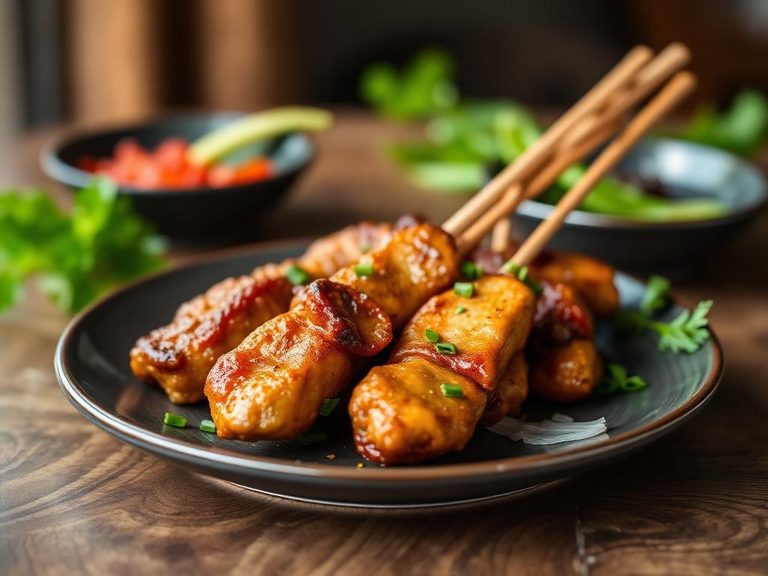
Sautéed chicken thigh with skin is a culinary workhorse, delivering a deeply savory, umami-rich flavor with a satisfying textural contrast: juicy, tender meat beneath a layer of rendered, often crispy skin. Nutritionally, it's a potent source of complete protein and provides a substantial dose of healthy monounsaturated fats, making it a cornerstone of many high-protein, low-carb diets.
💚 Why it's loved
People adore it for its unparalleled flavor-to-effort ratio; the fat in the skin bastes the meat during cooking, ensuring it stays succulent and flavorful with minimal fuss. Its versatility is legendary, seamlessly absorbing marinades and spices from virtually any global cuisine.
⚠️ Watch-outs & how to enjoy it better
The primary concern is its high saturated fat and calorie density, which can be problematic for those managing heart health or caloric intake. To mitigate this, practice portion control, pair it with large volumes of non-starchy vegetables (like roasted broccoli or a leafy salad) to add fiber and volume, and always remove the skin before eating if fat intake is a strict concern.
Key benefits
- Excellent source of complete, high-quality protein for muscle maintenance.
- Rich in monounsaturated fats, particularly oleic acid (the same fat in olive oil).
- Provides essential B vitamins, especially niacin (B3) and B6 for energy metabolism.
- Good source of minerals like selenium and phosphorus.
- The skin contains collagen and gelatin, which support skin and joint health.
🍽️ Popular dishes
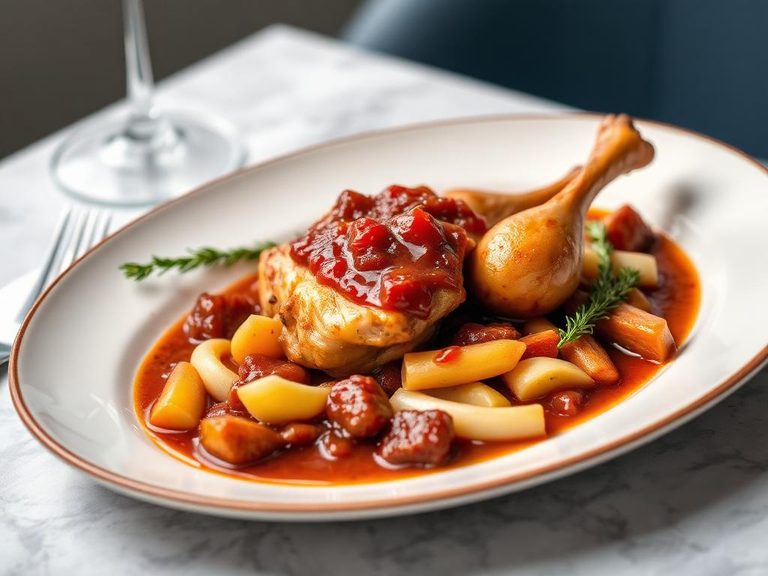
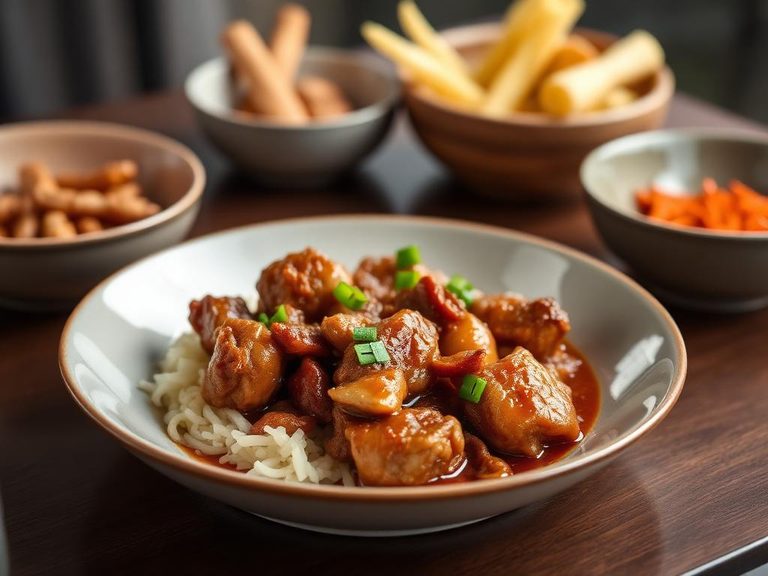
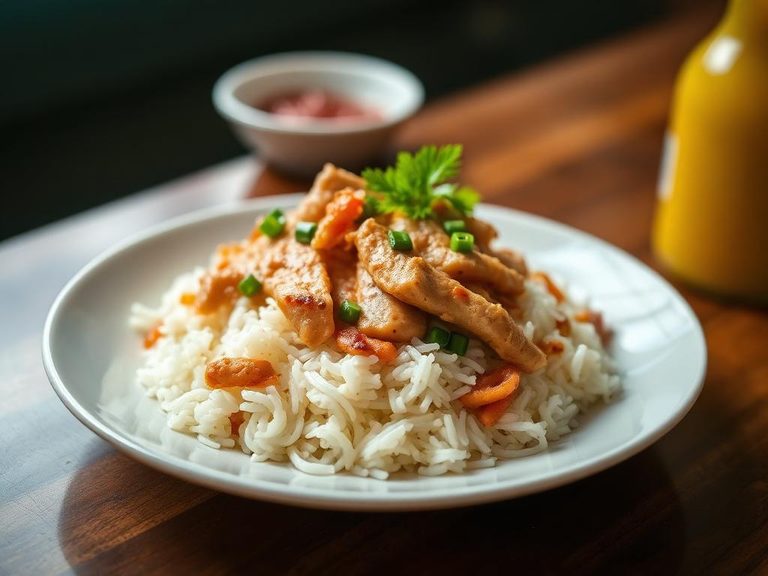
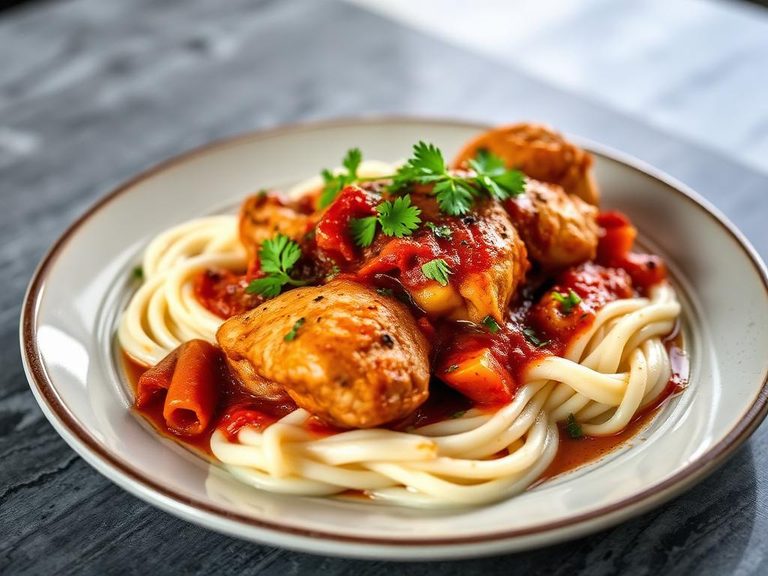

🌍 Where it's eaten
💡 Did you know?
The high myoglobin content in dark meat like chicken thigh is what gives it its darker color and richer flavor compared to breast meat; myoglobin is an oxygen-storing protein also found in human muscles.
Full nutrition (scales with serving)
| Water | 60.2 g |
| Energy | 243 kcal |
| Protein | 22.6 g |
| Total lipid (fat) | 16.3 g |
| Carbohydrate, by difference | 0.00 g |
| Fiber, total dietary | 0.00 g |
| Total Sugars | 0.00 g |
| Calcium, Ca | 9.0 mg |
| Iron, Fe | 1.1 mg |
| Magnesium, Mg | 21.0 mg |
| Phosphorus, P | 210 mg |
| Potassium, K | 246 mg |
| Sodium, Na | 406 mg |
| Zinc, Zn | 1.7 mg |
| Copper, Cu | 0.06 mg |
| Selenium, Se | 24.6 ug |
| Vitamin C, total ascorbic acid | 0.00 mg |
| Thiamin | 0.09 mg |
| Riboflavin | 0.18 mg |
| Niacin | 5.6 mg |
| Vitamin B-6 | 0.40 mg |
| Folate, total | 4.0 ug |
| Folic acid | 0.00 ug |
| Folate, food | 4.0 ug |
| Folate, DFE | 4.0 ug |
| Choline, total | 65.7 mg |
| Vitamin B-12 | 0.43 ug |
| Vitamin B-12, added | 0.00 ug |
| Vitamin A, RAE | 16.0 ug |
| Retinol | 16.0 ug |
| Carotene, beta | 0.00 ug |
| Carotene, alpha | 0.00 ug |
| Cryptoxanthin, beta | 0.00 ug |
| Lycopene | 0.00 ug |
| Lutein + zeaxanthin | 17.0 ug |
| Vitamin E (alpha-tocopherol) | 0.56 mg |
| Vitamin E, added | 0.00 mg |
| Vitamin D (D2 + D3) | 0.20 ug |
| Vitamin K (phylloquinone) | 5.2 ug |
| Fatty acids, total saturated | 4.3 g |
| SFA 4:0 | 0.00 g |
| SFA 6:0 | 0.00 g |
| SFA 8:0 | 0.00 g |
| SFA 10:0 | 0.00 g |
| SFA 12:0 | 0.01 g |
| SFA 14:0 | 0.08 g |
| SFA 16:0 | 3.3 g |
| SFA 18:0 | 0.82 g |
| Fatty acids, total monounsaturated | 6.9 g |
| MUFA 16:1 | 0.89 g |
| MUFA 18:1 | 5.9 g |
| MUFA 20:1 | 0.09 g |
| MUFA 22:1 | 0.00 g |
| Fatty acids, total polyunsaturated | 3.7 g |
| PUFA 18:2 | 3.3 g |
| PUFA 18:3 | 0.21 g |
| PUFA 18:4 | 0.00 g |
| PUFA 20:4 | 0.09 g |
| PUFA 20:5 n-3 (EPA) | 0.01 g |
| PUFA 22:5 n-3 (DPA) | 0.01 g |
| PUFA 22:6 n-3 (DHA) | 0.01 g |
| Cholesterol | 129 mg |
| Alcohol, ethyl | 0.00 g |
| Caffeine | 0.00 mg |
| Theobromine | 0.00 mg |
FAQ
Why is sautéed chicken thigh often more flavorful than breast?
Thigh meat has more fat marbling and connective tissue, which melt during cooking, basting the meat from within. The skin also renders fat, creating a flavorful cooking medium. Breast meat is leaner and can dry out quickly, offering a milder taste.
How can I get the skin crispy when sautéing?
Start with a cold, dry pan and the chicken skin-side down. Use medium-low heat to slowly render the fat without burning. Once the fat is liquid, you can increase the heat to crisp the skin. Patting the skin completely dry before cooking is crucial.
Is the skin really the unhealthiest part?
The skin is where a significant portion of the total and saturated fat is concentrated. While it contains beneficial nutrients like collagen, removing it before eating is the simplest way to reduce the overall fat and calorie content of the meal by about 30-50%.