Cereal, ready-to-eat, NFS
Common food
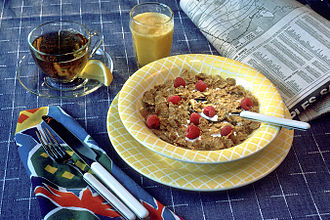
Photo: Wikipedia
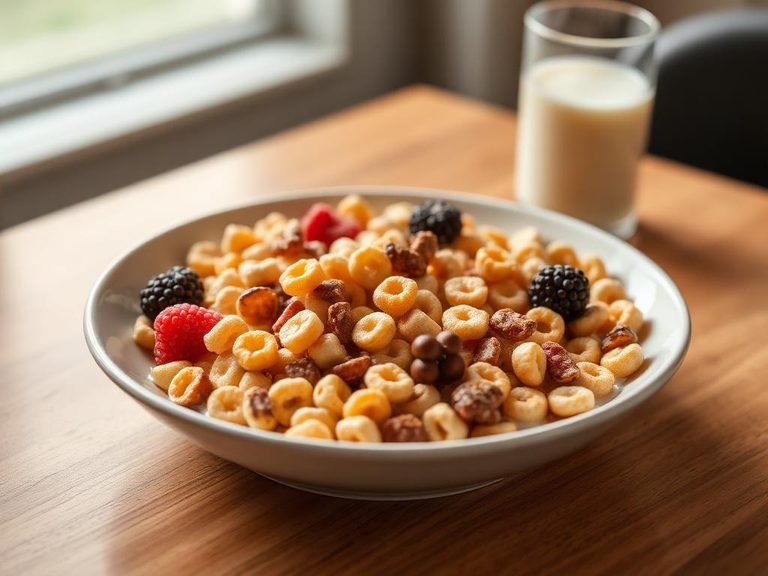
This is a generic classification for a wide array of ready-to-eat breakfast cereals, from toasted oat rings to frosted flakes and granola clusters. The taste and texture vary wildly, from light and airy to dense and crunchy, with flavors ranging from plain and nutty to intensely sweet. Nutritionally, it's a dense source of carbohydrates, providing quick energy, but the protein and fat content are relatively low.
💚 Why it's loved
People love it for its unparalleled convenience and comforting, familiar crunch. It's a nostalgic staple that can be a blank canvas for toppings like fresh fruit or a quick, satisfying snack straight from the box.
⚠️ Watch-outs & how to enjoy it better
Many varieties are high in added sugars, which can lead to blood-sugar spikes and subsequent energy crashes. They are also often low in satiating protein and fat, meaning a bowl may not keep you full for long. To counteract this, choose a high-fiber, low-sugar variety and pair it with a protein source like Greek yogurt, milk, or a handful of nuts.
Key benefits
- Provides quick, convenient energy from carbohydrates
- Often fortified with essential vitamins and minerals like iron and B vitamins
- High fiber varieties can support digestive health
- Offers a wide range of textures and flavors for personal preference
- A shelf-stable pantry staple with a long shelf life
🍽️ Popular dishes
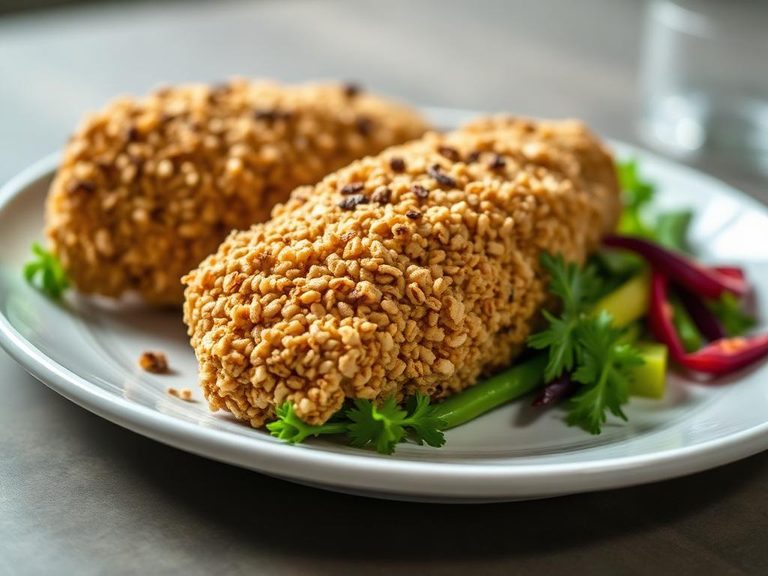
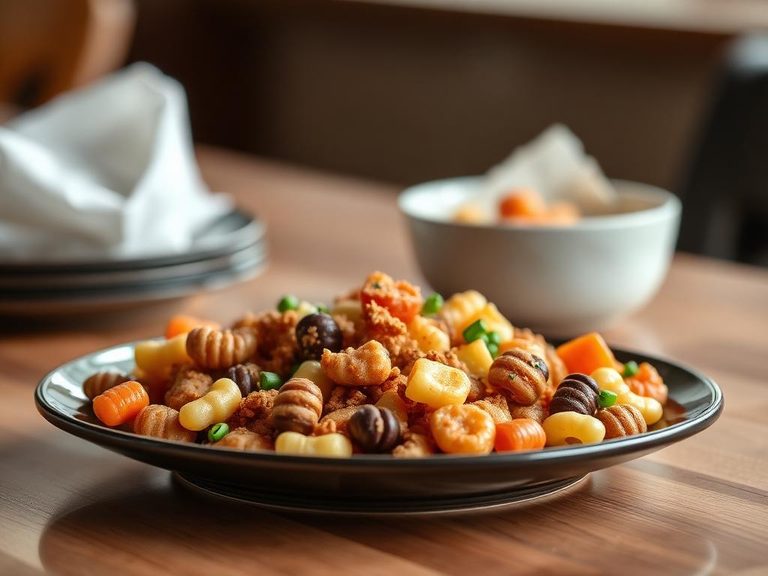
🌍 Where it's eaten
💡 Did you know?
The first commercial breakfast cereal, Granula, was invented in 1863 and was so hard it had to be soaked in milk overnight before it could be eaten.
Full nutrition (scales with serving)
| Water | 8.1 g |
| Energy | 379 kcal |
| Protein | 7.7 g |
| Total lipid (fat) | 4.0 g |
| Carbohydrate, by difference | 77.7 g |
| Fiber, total dietary | 6.6 g |
| Total Sugars | 25.4 g |
| Calcium, Ca | 182 mg |
| Iron, Fe | 15.6 mg |
| Magnesium, Mg | 66.0 mg |
| Phosphorus, P | 198 mg |
| Potassium, K | 193 mg |
| Sodium, Na | 527 mg |
| Zinc, Zn | 1.7 mg |
| Copper, Cu | 0.19 mg |
| Selenium, Se | 15.4 ug |
| Vitamin C, total ascorbic acid | 17.1 mg |
| Thiamin | 0.68 mg |
| Riboflavin | 0.57 mg |
| Niacin | 6.8 mg |
| Vitamin B-6 | 0.73 mg |
| Folate, total | 142 ug |
| Folic acid | 120 ug |
| Folate, food | 23.0 ug |
| Folate, DFE | 226 ug |
| Choline, total | 19.1 mg |
| Vitamin B-12 | 0.90 ug |
| Vitamin B-12, added | 0.90 ug |
| Vitamin A, RAE | 3.0 ug |
| Retinol | 0.00 ug |
| Carotene, beta | 30.0 ug |
| Carotene, alpha | 19.0 ug |
| Cryptoxanthin, beta | 0.00 ug |
| Lycopene | 0.00 ug |
| Lutein + zeaxanthin | 572 ug |
| Vitamin E (alpha-tocopherol) | 0.30 mg |
| Vitamin E, added | 0.00 mg |
| Vitamin D (D2 + D3) | 5.0 ug |
| Vitamin K (phylloquinone) | 1.8 ug |
| Fatty acids, total saturated | 0.69 g |
| SFA 4:0 | 0.00 g |
| SFA 6:0 | 0.00 g |
| SFA 8:0 | 0.00 g |
| SFA 10:0 | 0.00 g |
| SFA 12:0 | 0.01 g |
| SFA 14:0 | 0.01 g |
| SFA 16:0 | 0.48 g |
| SFA 18:0 | 0.16 g |
| Fatty acids, total monounsaturated | 1.2 g |
| MUFA 16:1 | 0.01 g |
| MUFA 18:1 | 1.2 g |
| MUFA 20:1 | 0.01 g |
| MUFA 22:1 | 0.00 g |
| Fatty acids, total polyunsaturated | 1.4 g |
| PUFA 18:2 | 1.3 g |
| PUFA 18:3 | 0.07 g |
| PUFA 18:4 | 0.00 g |
| PUFA 20:4 | 0.00 g |
| PUFA 20:5 n-3 (EPA) | 0.00 g |
| PUFA 22:5 n-3 (DPA) | 0.00 g |
| PUFA 22:6 n-3 (DHA) | 0.00 g |
| Cholesterol | 0.00 mg |
| Alcohol, ethyl | 0.00 g |
| Caffeine | 0.00 mg |
| Theobromine | 0.00 mg |
FAQ
Is ready-to-eat cereal a healthy breakfast?
It can be part of a healthy breakfast if you choose wisely. Look for options that are high in fiber (at least 3-5g per serving), low in added sugars (less than 6-8g), and fortified with nutrients. Pairing it with protein and healthy fats makes it a more balanced meal.
Why does cereal sometimes get soggy so quickly?
The rate of sogginess depends on the cereal's structure. Highly processed, airy cereals with more surface area absorb liquid faster. Denser, whole-grain cereals or those with a sugar coating that creates a barrier tend to stay crunchy longer.
Can I eat cereal as a snack, not just for breakfast?
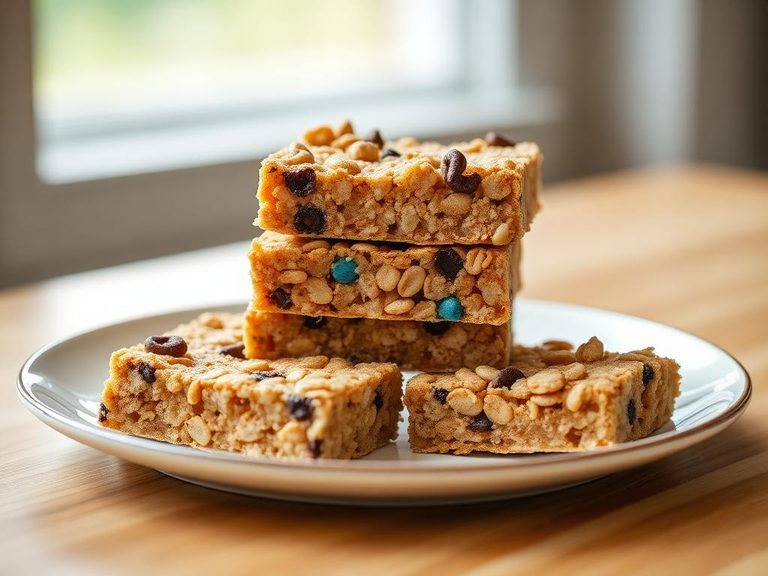
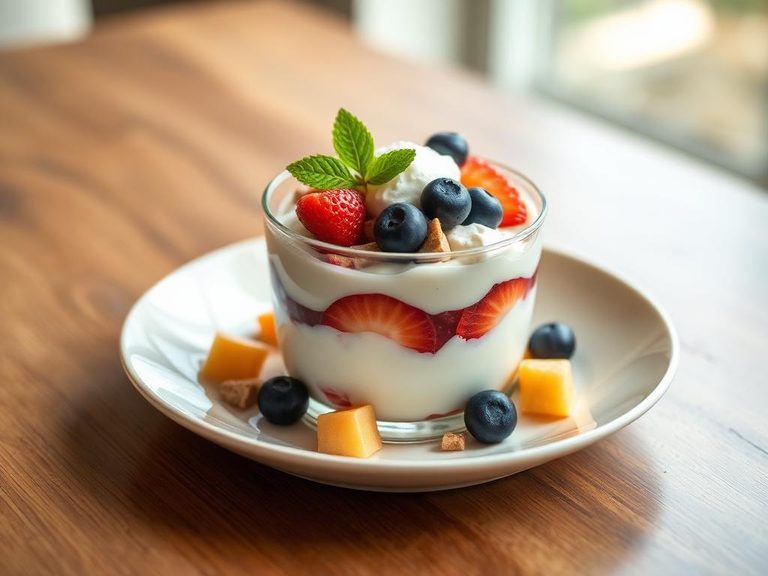
Absolutely! Dry cereal is a popular crunchy snack. It's also a key ingredient in homemade trail mixes, snack bars, and can be used as a topping for yogurt or even ice cream for added texture.