

Cake or cupcake, zucchini
Common food

Photo: Wikipedia
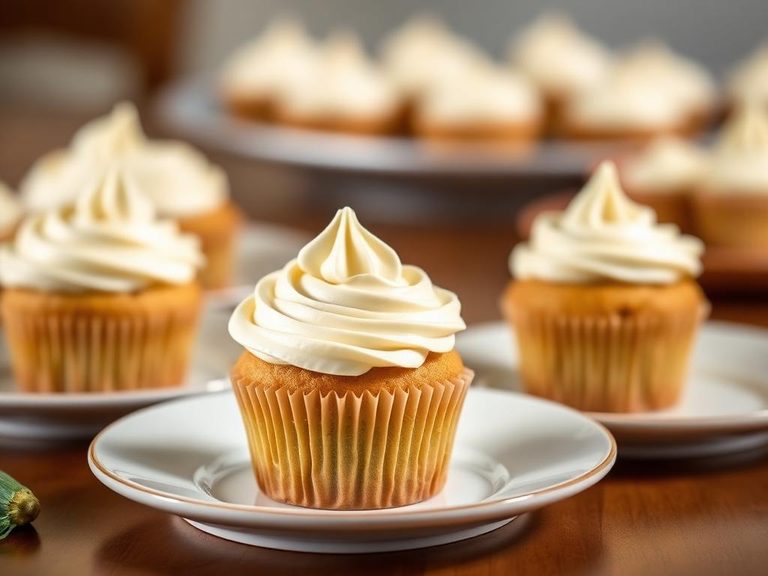
A moist, tender quick bread or muffin that cleverly incorporates grated zucchini, which melts into the batter during baking to create an exceptionally soft crumb. The zucchini itself is virtually tasteless in the final product, contributing only moisture and a subtle green fleck, while the dominant flavor is a warm, sweet blend of cinnamon, nutmeg, and vanilla. Nutritionally, it's a calorie-dense treat, with over 50g of carbohydrates and 38g of sugar per 100g, primarily from refined flour and added sugars.
Calorie split: 3% protein · 55% carbs · 42% fat
↓ Full nutrition💚 Why it's loved
People love it for its comforting, familiar spice-cake flavor and incredibly moist, tender texture that stays fresh for days. It's a beloved way to use up a summer zucchini surplus and is often a nostalgic, crowd-pleasing treat at potlucks and bake sales.
⚠️ Watch-outs & how to enjoy it better
Its high sugar and refined carbohydrate content can lead to blood-sugar spikes and crashes, offering little satiety. To counteract this, enjoy a small slice paired with a source of protein or healthy fat like Greek yogurt or a handful of nuts to slow sugar absorption. It can also be a common allergen vehicle due to wheat (gluten), eggs, and sometimes nuts.
Key benefits
- Provides a clever way to incorporate a vegetable into a sweet treat.
- The zucchini adds moisture, reducing the need for excessive oil or butter.
- Offers small amounts of potassium and vitamin C from the zucchini.
- A popular home-baking project that's easy to customize with add-ins.
- Can be made with whole-wheat flour or alternative sweeteners for a slightly healthier profile.
🍽️ Popular dishes
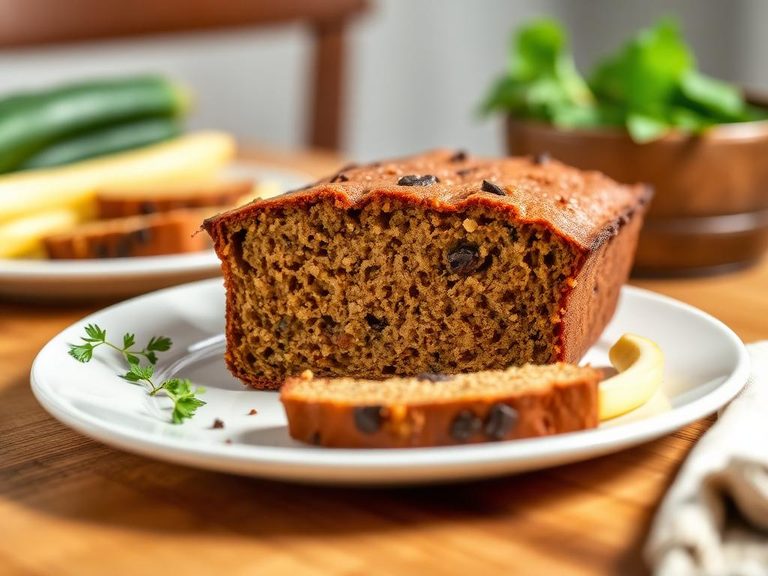
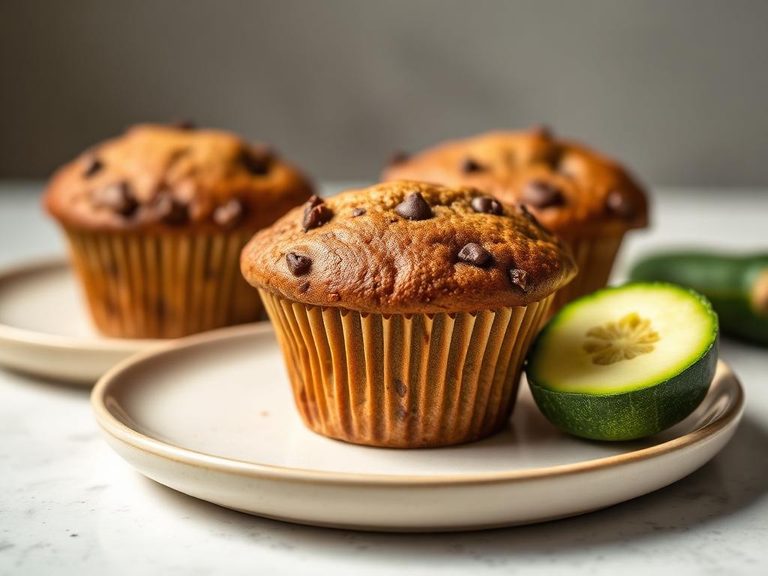
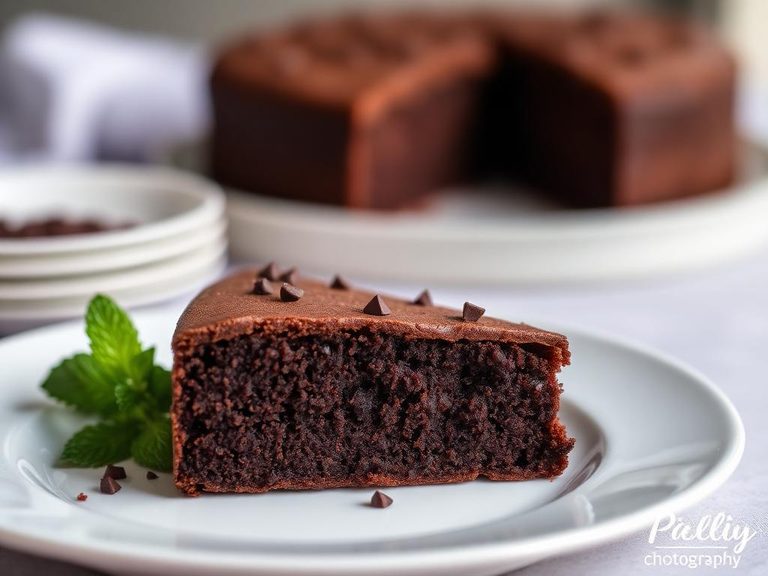
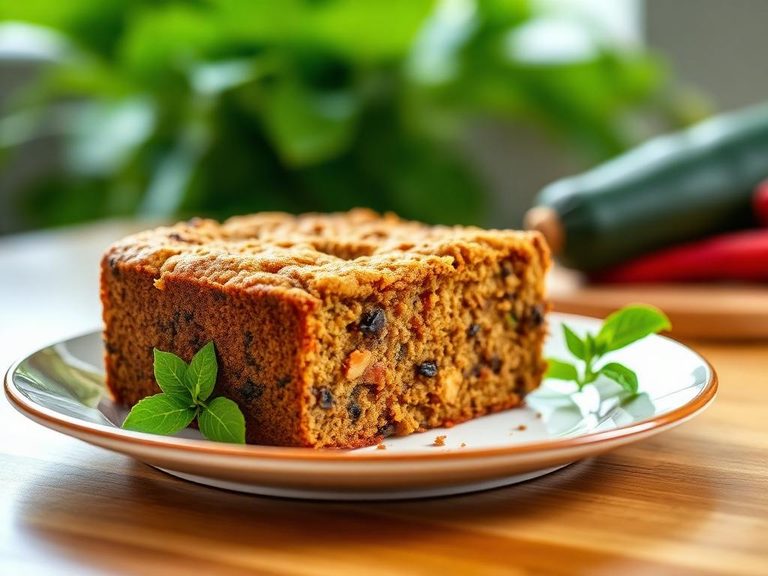
🌍 Where it's eaten
💡 Did you know?
The recipe's popularity in North America surged in the 1970s and 1980s, heavily promoted by seed companies to help home gardeners use their prolific summer zucchini harvests.
Full nutrition (USDA data · scales with serving)
| Water | 27.4 g |
| Energy | 371 kcal |
| Protein | 2.5 g |
| Total lipid (fat) | 17.5 g |
| Carbohydrate, by difference | 51.1 g |
| Fiber, total dietary | 0.90 g |
| Total Sugars | 38.3 g |
| Calcium, Ca | 72.0 mg |
| Iron, Fe | 0.92 mg |
| Magnesium, Mg | 7.0 mg |
| Phosphorus, P | 112 mg |
| Potassium, K | 72.0 mg |
| Sodium, Na | 280 mg |
| Zinc, Zn | 0.29 mg |
| Copper, Cu | 0.03 mg |
| Selenium, Se | 4.4 ug |
| Vitamin C, total ascorbic acid | 1.6 mg |
| Thiamin | 0.06 mg |
| Riboflavin | 0.24 mg |
| Niacin | 0.68 mg |
| Vitamin B-6 | 0.04 mg |
| Folate, total | 24.0 ug |
| Folic acid | 10.0 ug |
| Folate, food | 14.0 ug |
| Folate, DFE | 31.0 ug |
| Choline, total | 33.7 mg |
| Vitamin B-12 | 0.12 ug |
| Vitamin B-12, added | 0.00 ug |
| Vitamin A, RAE | 22.0 ug |
| Retinol | 20.0 ug |
| Carotene, beta | 12.0 ug |
| Carotene, alpha | 0.00 ug |
| Cryptoxanthin, beta | 3.0 ug |
| Lycopene | 0.00 ug |
| Lutein + zeaxanthin | 261 ug |
| Vitamin E (alpha-tocopherol) | 2.7 mg |
| Vitamin E, added | 0.00 mg |
| Vitamin D (D2 + D3) | 0.30 ug |
| Vitamin K (phylloquinone) | 15.6 ug |
| Alcohol, ethyl | 0.00 g |
| Caffeine | 0.00 mg |
| Theobromine | 0.00 mg |
Fat & fatty acid profile (per 100g)
| Fatty acids, total saturated | 3.2 g |
| SFA 4:0 | 0.00 g |
| SFA 6:0 | 0.00 g |
| SFA 8:0 | 0.00 g |
| SFA 10:0 | 0.00 g |
| SFA 12:0 | 0.00 g |
| SFA 14:0 | 0.02 g |
| SFA 16:0 | 2.4 g |
| SFA 18:0 | 0.66 g |
| Fatty acids, total monounsaturated | 6.3 g |
| MUFA 16:1 | 0.13 g |
| MUFA 18:1 | 6.1 g |
| MUFA 20:1 | 0.06 g |
| MUFA 22:1 | 0.00 g |
| Fatty acids, total polyunsaturated | 6.9 g |
| PUFA 18:2 | 6.1 g |
| PUFA 18:3 | 0.77 g |
| PUFA 18:4 | 0.00 g |
| PUFA 20:4 | 0.00 g |
| PUFA 20:5 n-3 (EPA) | 0.00 g |
| PUFA 22:5 n-3 (DPA) | 0.00 g |
| PUFA 22:6 n-3 (DHA) | 0.00 g |
| Cholesterol | 47.0 mg |
FAQ
Why is my zucchini bread soggy in the middle?
This is often because the grated zucchini wasn't squeezed to remove excess moisture. Also, ensure your oven is fully preheated and the bread is baked until a toothpick inserted in the center comes out clean.
Can I taste the zucchini in the final product?
No, the zucchini is virtually undetectable in flavor. Its primary role is to add incredible moisture and a soft texture, with only tiny green flecks visible.
How do I store zucchini bread?
Wrap it tightly in plastic wrap or store in an airtight container at room temperature for up to 3 days, or refrigerate for up to a week. It also freezes well for up to 3 months.
Nutrient density (calculated · NRF9.3)
Nutrient Rich Foods index: beneficial nutrients (protein, fiber, vitamins, minerals) minus saturated fat, added sugar & sodium, per 100 kcal.
NRF9.3 index — Fulgoni, Keast & Drewnowski, 2009. Computed from USDA nutrients.
Weight-loss friendliness (composite index)
Energy density 3.71 kcal/g · 3% calories from protein · 0.9 g fiber · 38.3 g sugar per 100 g.
Composite of energy density (Rolls et al., 1999), protein & fiber satiety, minus sugar. A calculated heuristic — ranks satiety-per-calorie, not a clinical measure.
Dietary load (calculated from USDA values)
Potential renal acid load. Positive = acid-forming, negative = alkaline-forming.
Sodium-to-potassium ratio: 3.89 (lower is better — aim for ≤ 1)
Sodium:potassium per WHO potassium guidance. Computed from USDA nutrients.