

Cake or cupcake, red velvet
Common food

Photo: Wikipedia
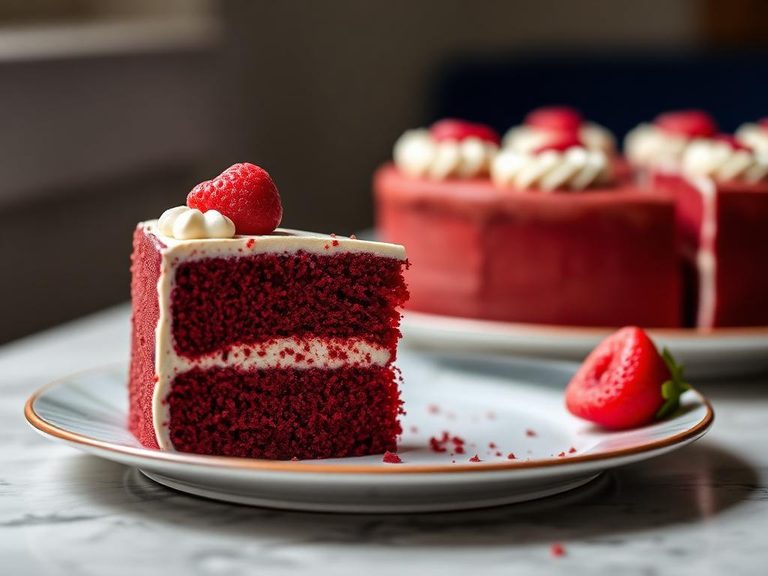
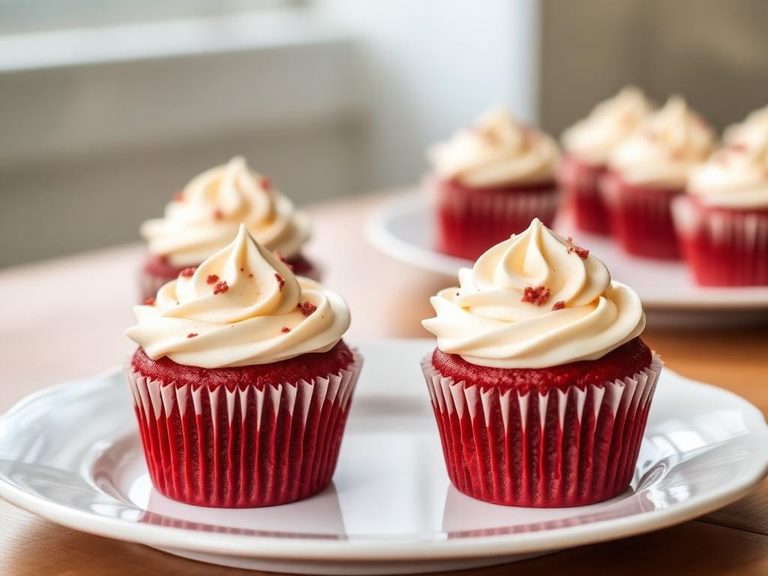
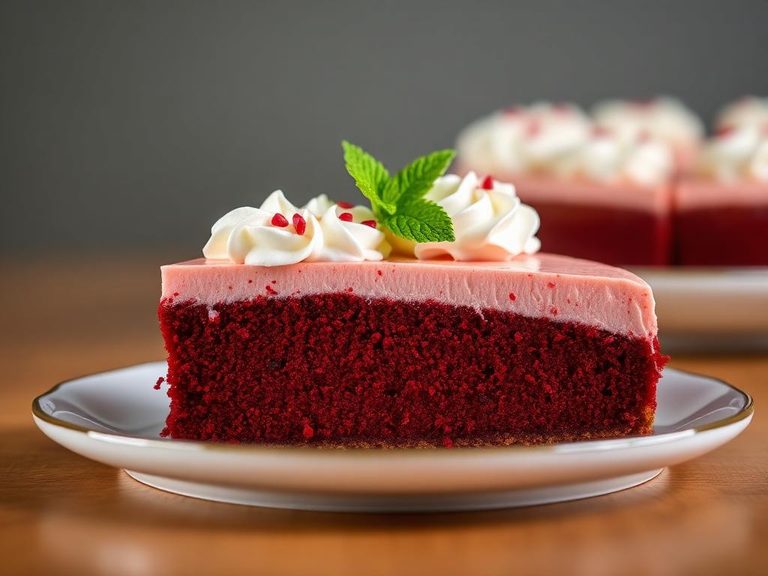
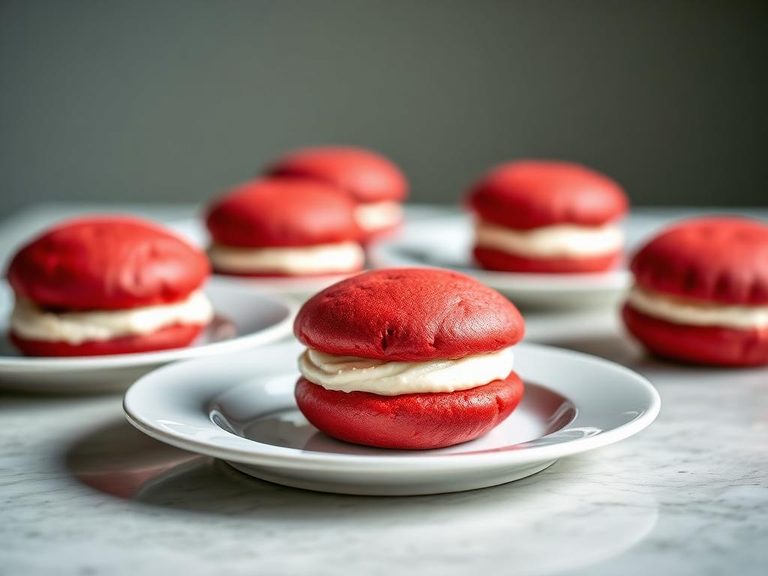
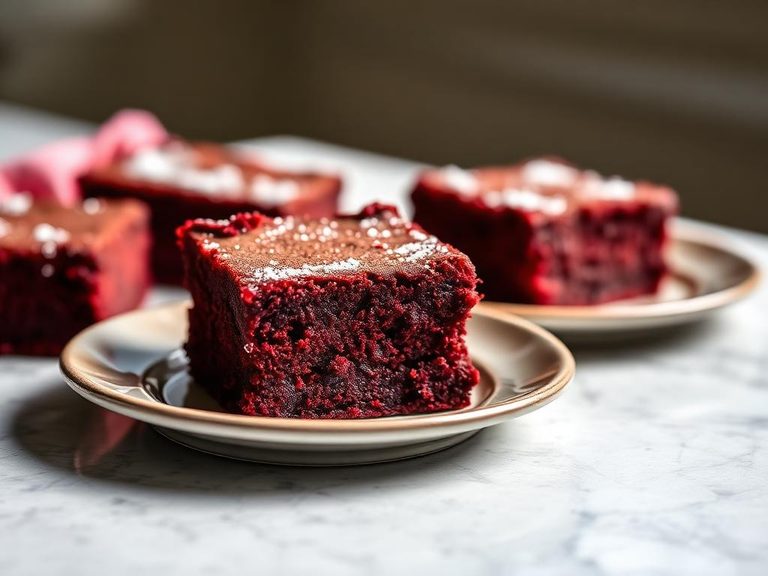
Red velvet cake or cupcake is a visually striking dessert known for its deep crimson crumb and signature tangy-sweet cream cheese frosting. The texture is typically moist and velvety, a result of buttermilk and vinegar reacting with cocoa powder. Nutritionally, it's a calorie-dense treat, with a single 100g serving providing a significant portion of the daily recommended sugar intake.
Calorie split: 3% protein · 60% carbs · 36% fat
↓ Full nutrition💚 Why it's loved
People adore red velvet for its unique flavor profile—a subtle chocolate note balanced by a pleasant tang—and its iconic, dramatic appearance that makes it a centerpiece for celebrations like Valentine's Day and weddings.
⚠️ Watch-outs & how to enjoy it better
Its high sugar and refined carb content can lead to rapid blood sugar spikes, and it's a common source of allergens like wheat, eggs, and dairy. To mitigate this, enjoy a small portion alongside a source of protein or healthy fat (like a handful of nuts) to slow sugar absorption, and consider pairing it with unsweetened tea or black coffee.
Key benefits
- Provides quick energy from carbohydrates
- Contains small amounts of iron from cocoa
- Can be a source of calcium if made with dairy frosting
- Often serves as a celebratory centerpiece for special occasions
🍽️ Popular dishes
🌍 Where it's eaten
💡 Did you know?
The original red color in red velvet cake often came from a chemical reaction between non-alkalized cocoa powder and acidic ingredients like buttermilk and vinegar, not from food dye.
Full nutrition (USDA data · scales with serving)
| Water | 26.6 g |
| Energy | 355 kcal |
| Protein | 2.8 g |
| Total lipid (fat) | 14.6 g |
| Carbohydrate, by difference | 54.4 g |
| Fiber, total dietary | 1.2 g |
| Total Sugars | 40.2 g |
| Calcium, Ca | 67.0 mg |
| Iron, Fe | 1.2 mg |
| Magnesium, Mg | 17.0 mg |
| Phosphorus, P | 130 mg |
| Potassium, K | 80.0 mg |
| Sodium, Na | 296 mg |
| Zinc, Zn | 0.41 mg |
| Copper, Cu | 0.12 mg |
| Selenium, Se | 4.5 ug |
| Vitamin C, total ascorbic acid | 0.00 mg |
| Thiamin | 0.06 mg |
| Riboflavin | 0.24 mg |
| Niacin | 0.72 mg |
| Vitamin B-6 | 0.03 mg |
| Folate, total | 23.0 ug |
| Folic acid | 11.0 ug |
| Folate, food | 12.0 ug |
| Folate, DFE | 31.0 ug |
| Choline, total | 30.8 mg |
| Vitamin B-12 | 0.11 ug |
| Vitamin B-12, added | 0.00 ug |
| Vitamin A, RAE | 19.0 ug |
| Retinol | 19.0 ug |
| Carotene, beta | 0.00 ug |
| Carotene, alpha | 0.00 ug |
| Cryptoxanthin, beta | 1.0 ug |
| Lycopene | 0.00 ug |
| Lutein + zeaxanthin | 54.0 ug |
| Vitamin E (alpha-tocopherol) | 2.0 mg |
| Vitamin E, added | 0.00 mg |
| Vitamin D (D2 + D3) | 0.30 ug |
| Vitamin K (phylloquinone) | 11.7 ug |
| Alcohol, ethyl | 0.00 g |
| Caffeine | 6.0 mg |
| Theobromine | 51.0 mg |
Fat & fatty acid profile (per 100g)
| Fatty acids, total saturated | 3.0 g |
| SFA 4:0 | 0.00 g |
| SFA 6:0 | 0.00 g |
| SFA 8:0 | 0.00 g |
| SFA 10:0 | 0.00 g |
| SFA 12:0 | 0.00 g |
| SFA 14:0 | 0.02 g |
| SFA 16:0 | 2.2 g |
| SFA 18:0 | 0.68 g |
| Fatty acids, total monounsaturated | 5.0 g |
| MUFA 16:1 | 0.12 g |
| MUFA 18:1 | 4.8 g |
| MUFA 20:1 | 0.03 g |
| MUFA 22:1 | 0.00 g |
| Fatty acids, total polyunsaturated | 5.7 g |
| PUFA 18:2 | 5.1 g |
| PUFA 18:3 | 0.63 g |
| PUFA 18:4 | 0.00 g |
| PUFA 20:4 | 0.00 g |
| PUFA 20:5 n-3 (EPA) | 0.00 g |
| PUFA 22:5 n-3 (DPA) | 0.00 g |
| PUFA 22:6 n-3 (DHA) | 0.00 g |
| Cholesterol | 43.0 mg |
FAQ
What makes red velvet cake taste different from chocolate cake?
Red velvet has a milder chocolate flavor due to less cocoa powder, with a distinct tang from buttermilk and vinegar. The combination creates a unique flavor that's not quite chocolate and not vanilla.
Why is cream cheese frosting the classic pairing?
The tangy, rich flavor of cream cheese frosting perfectly complements the subtle chocolate and buttermilk notes in the cake, creating a balanced and iconic taste profile.
Is the red color just for looks?
Originally, the red hue was a byproduct of chemical reactions. Today, while often enhanced with food coloring, the color has become a signature visual cue that signals the cake's unique flavor identity.
Nutrient density (calculated · NRF9.3)
Nutrient Rich Foods index: beneficial nutrients (protein, fiber, vitamins, minerals) minus saturated fat, added sugar & sodium, per 100 kcal.
NRF9.3 index — Fulgoni, Keast & Drewnowski, 2009. Computed from USDA nutrients.
Weight-loss friendliness (composite index)
Energy density 3.55 kcal/g · 3% calories from protein · 1.2 g fiber · 40.2 g sugar per 100 g.
Composite of energy density (Rolls et al., 1999), protein & fiber satiety, minus sugar. A calculated heuristic — ranks satiety-per-calorie, not a clinical measure.
Dietary load (calculated from USDA values)
Potential renal acid load. Positive = acid-forming, negative = alkaline-forming.
Sodium-to-potassium ratio: 3.70 (lower is better — aim for ≤ 1)
Sodium:potassium per WHO potassium guidance. Computed from USDA nutrients.