

Cake or cupcake, pumpkin
Common food
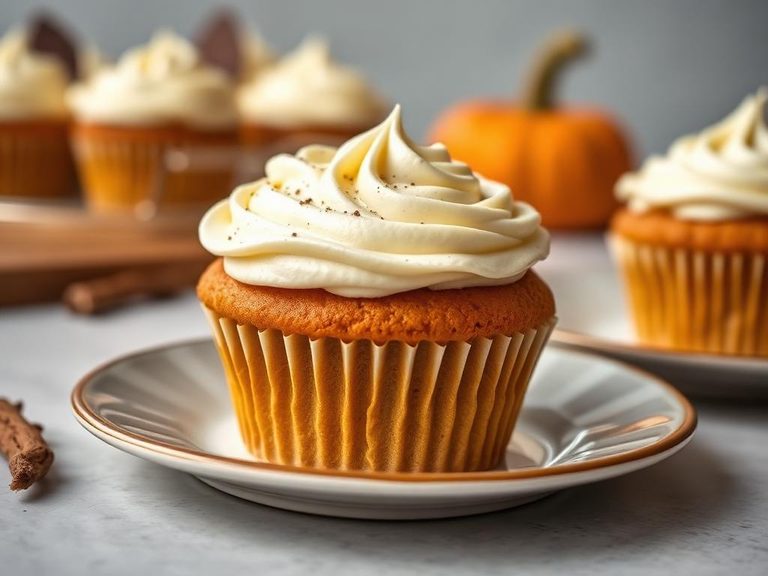
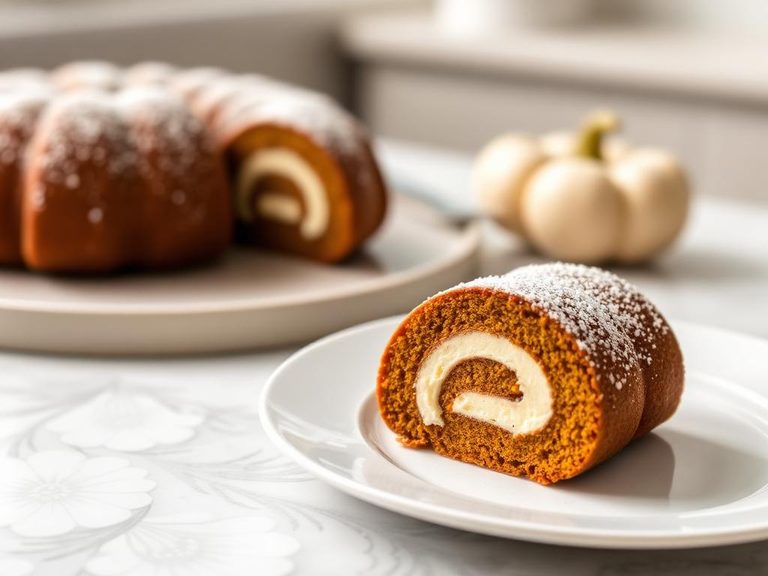
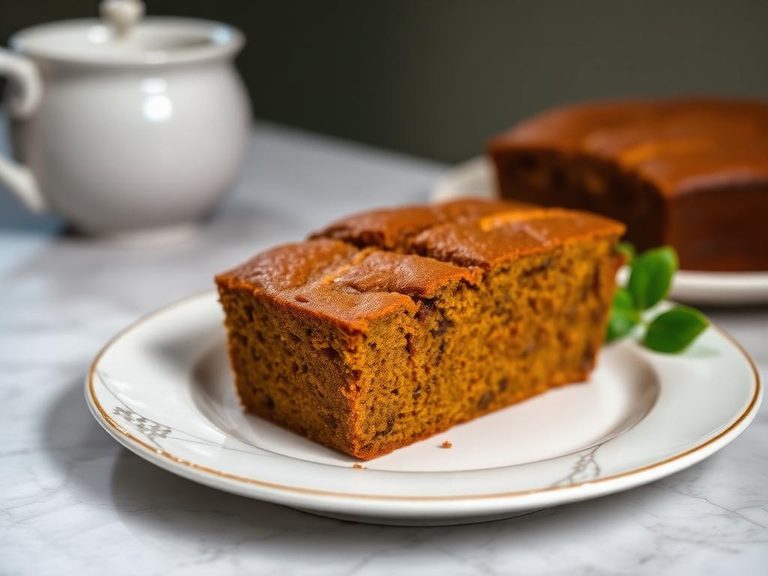
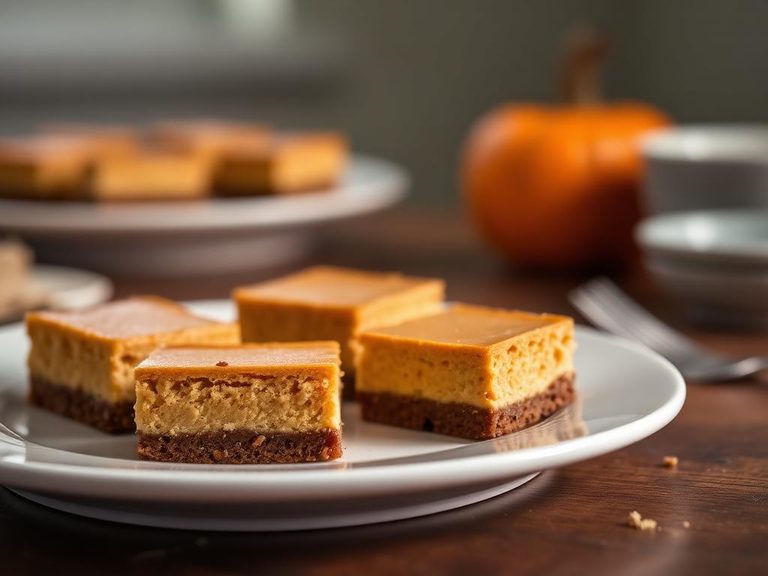
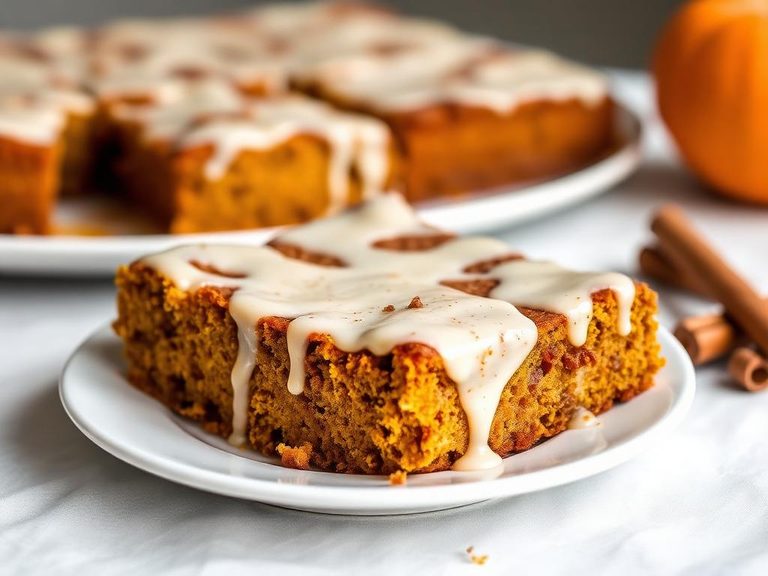
A moist, tender cake or cupcake infused with pumpkin puree, offering a warm, spiced flavor profile with notes of cinnamon, nutmeg, and ginger. Its texture is typically soft and dense, with a subtle sweetness that balances the earthy pumpkin. Nutritionally, it is high in carbohydrates and sugar, with a moderate fat content and minimal protein.
Calorie split: 3% protein · 55% carbs · 42% fat
↓ Full nutrition💚 Why it's loved
People love pumpkin cake or cupcakes for their comforting, nostalgic flavor that evokes autumn and holiday traditions, often paired with cream cheese frosting or spiced glazes. The moist texture and warm spices make it a beloved treat for its cozy, indulgent appeal.
⚠️ Watch-outs & how to enjoy it better
The high sugar and carbohydrate content can lead to blood-sugar spikes, making it less suitable for those managing diabetes or low-carb diets. To counteract, pair with a protein source like nuts or Greek yogurt, practice portion control by opting for a smaller slice, and choose recipes with reduced sugar or added fiber from whole grains.
Key benefits
- Rich in vitamin A from pumpkin puree, supporting eye health.
- Contains antioxidants like beta-carotene from pumpkin.
- Provides a quick energy boost from carbohydrates.
- Can be a seasonal comfort food with cultural significance.
- Versatile for baking with various spices and mix-ins.
🍽️ Popular dishes
🌍 Where it's eaten
💡 Did you know?
Pumpkin cake became popular in the United States in the 19th century, but the tradition of using pumpkin in desserts dates back to early colonial times when it was baked in hollowed-out pumpkin shells.
Full nutrition (USDA data · scales with serving)
| Water | 26.9 g |
| Energy | 373 kcal |
| Protein | 2.5 g |
| Total lipid (fat) | 17.5 g |
| Carbohydrate, by difference | 51.6 g |
| Fiber, total dietary | 1.1 g |
| Total Sugars | 38.4 g |
| Calcium, Ca | 73.0 mg |
| Iron, Fe | 1.0 mg |
| Magnesium, Mg | 7.0 mg |
| Phosphorus, P | 112 mg |
| Potassium, K | 66.0 mg |
| Sodium, Na | 280 mg |
| Zinc, Zn | 0.28 mg |
| Copper, Cu | 0.03 mg |
| Selenium, Se | 4.4 ug |
| Vitamin C, total ascorbic acid | 0.40 mg |
| Thiamin | 0.06 mg |
| Riboflavin | 0.23 mg |
| Niacin | 0.67 mg |
| Vitamin B-6 | 0.03 mg |
| Folate, total | 23.0 ug |
| Folic acid | 10.0 ug |
| Folate, food | 13.0 ug |
| Folate, DFE | 30.0 ug |
| Choline, total | 33.7 mg |
| Vitamin B-12 | 0.12 ug |
| Vitamin B-12, added | 0.00 ug |
| Vitamin A, RAE | 95.0 ug |
| Retinol | 20.0 ug |
| Carotene, beta | 660 ug |
| Carotene, alpha | 456 ug |
| Cryptoxanthin, beta | 3.0 ug |
| Lycopene | 0.00 ug |
| Lutein + zeaxanthin | 60.0 ug |
| Vitamin E (alpha-tocopherol) | 2.8 mg |
| Vitamin E, added | 0.00 mg |
| Vitamin D (D2 + D3) | 0.30 ug |
| Vitamin K (phylloquinone) | 16.8 ug |
| Alcohol, ethyl | 0.00 g |
| Caffeine | 0.00 mg |
| Theobromine | 0.00 mg |
Fat & fatty acid profile (per 100g)
| Fatty acids, total saturated | 3.2 g |
| SFA 4:0 | 0.00 g |
| SFA 6:0 | 0.00 g |
| SFA 8:0 | 0.00 g |
| SFA 10:0 | 0.00 g |
| SFA 12:0 | 0.00 g |
| SFA 14:0 | 0.02 g |
| SFA 16:0 | 2.4 g |
| SFA 18:0 | 0.66 g |
| Fatty acids, total monounsaturated | 6.3 g |
| MUFA 16:1 | 0.14 g |
| MUFA 18:1 | 6.1 g |
| MUFA 20:1 | 0.06 g |
| MUFA 22:1 | 0.00 g |
| Fatty acids, total polyunsaturated | 6.9 g |
| PUFA 18:2 | 6.1 g |
| PUFA 18:3 | 0.76 g |
| PUFA 18:4 | 0.00 g |
| PUFA 20:4 | 0.00 g |
| PUFA 20:5 n-3 (EPA) | 0.00 g |
| PUFA 22:5 n-3 (DPA) | 0.00 g |
| PUFA 22:6 n-3 (DHA) | 0.00 g |
| Cholesterol | 47.0 mg |
FAQ
Is pumpkin cake or cupcake healthy?
While it contains pumpkin, which is nutritious, the high sugar and fat content make it a treat rather than a health food. It's best enjoyed in moderation as part of a balanced diet.
Can I make pumpkin cake healthier?
Yes, you can reduce sugar, use whole wheat flour, add nuts or seeds for fiber and protein, and opt for lighter frostings like Greek yogurt-based ones.
What spices are commonly used in pumpkin cake?
Common spices include cinnamon, nutmeg, ginger, cloves, and allspice, often combined as pumpkin pie spice.
How should I store pumpkin cake or cupcakes?
Store them in an airtight container at room temperature for up to 2 days, or refrigerate for up to a week. They can also be frozen for up to 3 months.
Nutrient density (calculated · NRF9.3)
Nutrient Rich Foods index: beneficial nutrients (protein, fiber, vitamins, minerals) minus saturated fat, added sugar & sodium, per 100 kcal.
NRF9.3 index — Fulgoni, Keast & Drewnowski, 2009. Computed from USDA nutrients.
Weight-loss friendliness (composite index)
Energy density 3.73 kcal/g · 3% calories from protein · 1.1 g fiber · 38.4 g sugar per 100 g.
Composite of energy density (Rolls et al., 1999), protein & fiber satiety, minus sugar. A calculated heuristic — ranks satiety-per-calorie, not a clinical measure.
Dietary load (calculated from USDA values)
Potential renal acid load. Positive = acid-forming, negative = alkaline-forming.
Sodium-to-potassium ratio: 4.24 (lower is better — aim for ≤ 1)
Sodium:potassium per WHO potassium guidance. Computed from USDA nutrients.