Bread, whole wheat, toasted
Common food

Photo: Wikipedia
Whole wheat toast is a hearty, nutty-flavored staple with a satisfyingly firm, slightly chewy texture and a toasty aroma. It's a nutritional powerhouse, packing a significant 13.52g of protein and 6.6g of fiber per 100g, making it a filling and energy-sustaining choice. The toasting process caramelizes the natural sugars, enhancing its flavor while creating a crisp exterior.
💚 Why it's loved
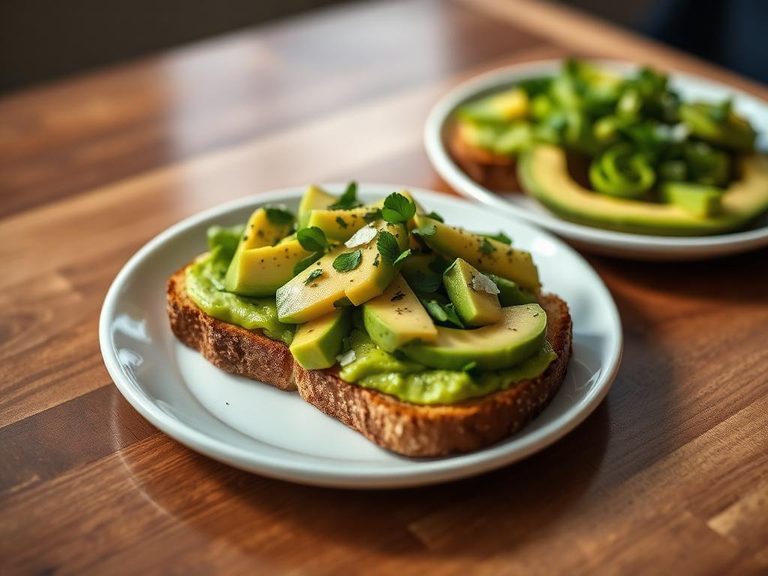
People love it for its robust, earthy flavor that stands up to bold toppings like avocado, nut butter, or eggs. Its cultural ubiquity makes it a comforting, nostalgic canvas for everything from a simple breakfast to a gourmet open-faced sandwich.
⚠️ Watch-outs & how to enjoy it better
Its dense fiber content can cause digestive discomfort for some, especially if not accustomed to high-fiber diets. The carbohydrates, while complex, can still impact blood sugar; pairing it with protein or healthy fats (like eggs or avocado) helps slow glucose absorption. As a common wheat product, it contains gluten and is unsuitable for those with celiac disease or non-celiac gluten sensitivity.
Key benefits
- Excellent source of plant-based protein for muscle maintenance.
- High in dietary fiber, promoting digestive health and satiety.
- Contains complex carbohydrates for sustained energy release.
- Provides essential minerals like magnesium and selenium from the whole grain.
- A versatile base for both sweet and savory toppings.
🍽️ Popular dishes




🌍 Where it's eaten
💡 Did you know?
The Maillard reaction, which gives toast its brown color and complex flavor, is the same chemical process that sears steak and makes cookies taste delicious.
Full nutrition (scales with serving)
| Water | 32.6 g |
| Energy | 279 kcal |
| Protein | 13.5 g |
| Total lipid (fat) | 3.9 g |
| Carbohydrate, by difference | 47.4 g |
| Fiber, total dietary | 6.6 g |
| Total Sugars | 4.8 g |
| Calcium, Ca | 179 mg |
| Iron, Fe | 2.8 mg |
| Magnesium, Mg | 85.0 mg |
| Phosphorus, P | 233 mg |
| Potassium, K | 275 mg |
| Sodium, Na | 473 mg |
| Zinc, Zn | 1.9 mg |
| Copper, Cu | 0.25 mg |
| Selenium, Se | 28.4 ug |
| Vitamin C, total ascorbic acid | 0.00 mg |
| Thiamin | 0.34 mg |
| Riboflavin | 0.18 mg |
| Niacin | 4.9 mg |
| Vitamin B-6 | 0.24 mg |
| Folate, total | 39.0 ug |
| Folic acid | 0.00 ug |
| Folate, food | 39.0 ug |
| Folate, DFE | 39.0 ug |
| Choline, total | 29.9 mg |
| Vitamin B-12 | 0.00 ug |
| Vitamin B-12, added | 0.00 ug |
| Vitamin A, RAE | 0.00 ug |
| Retinol | 0.00 ug |
| Carotene, beta | 2.0 ug |
| Carotene, alpha | 0.00 ug |
| Cryptoxanthin, beta | 0.00 ug |
| Lycopene | 0.00 ug |
| Lutein + zeaxanthin | 91.0 ug |
| Vitamin E (alpha-tocopherol) | 0.59 mg |
| Vitamin E, added | 0.00 mg |
| Vitamin D (D2 + D3) | 0.00 ug |
| Vitamin K (phylloquinone) | 8.6 ug |
| Fatty acids, total saturated | 0.80 g |
| SFA 4:0 | 0.00 g |
| SFA 6:0 | 0.00 g |
| SFA 8:0 | 0.00 g |
| SFA 10:0 | 0.01 g |
| SFA 12:0 | 0.01 g |
| SFA 14:0 | 0.01 g |
| SFA 16:0 | 0.48 g |
| SFA 18:0 | 0.26 g |
| Fatty acids, total monounsaturated | 0.68 g |
| MUFA 16:1 | 0.02 g |
| MUFA 18:1 | 0.66 g |
| MUFA 20:1 | 0.02 g |
| MUFA 22:1 | 0.00 g |
| Fatty acids, total polyunsaturated | 1.8 g |
| PUFA 18:2 | 1.6 g |
| PUFA 18:3 | 0.15 g |
| PUFA 18:4 | 0.00 g |
| PUFA 20:4 | 0.00 g |
| PUFA 20:5 n-3 (EPA) | 0.00 g |
| PUFA 22:5 n-3 (DPA) | 0.00 g |
| PUFA 22:6 n-3 (DHA) | 0.00 g |
| Cholesterol | 0.00 mg |
| Alcohol, ethyl | 0.00 g |
| Caffeine | 0.00 mg |
| Theobromine | 0.00 mg |
FAQ
Is whole wheat toast healthier than white toast?
Generally, yes. Whole wheat toast retains the bran and germ of the grain, providing more fiber, protein, and nutrients like B vitamins and iron compared to refined white bread, which is stripped of these components.
How can I make my whole wheat toast more flavorful?
Try toasting it until it's a deep golden brown to enhance the nutty flavor. Top with sweet options like almond butter and banana, or savory ones like mashed avocado with a sprinkle of chili flakes and sea salt.
Does toasting bread reduce its calorie content?
No, toasting primarily removes water content, which can make the toast weigh slightly less. The calorie and macronutrient content per gram of the dry bread remains essentially the same.