Bread, vegetable
Common food
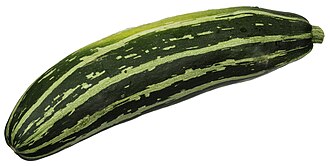
Photo: Wikipedia
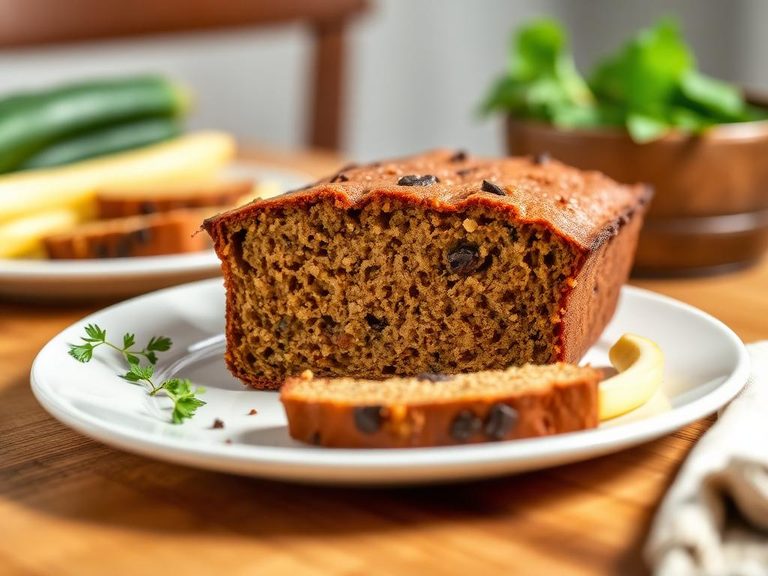
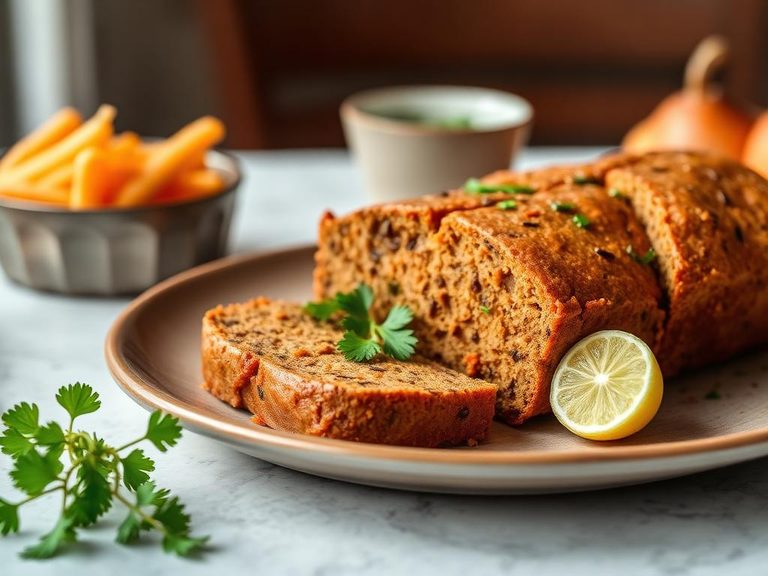
Vegetable bread is a savory, soft loaf infused with finely diced or pureed vegetables like carrots, zucchini, or spinach, giving it a moist crumb and a subtle, earthy sweetness. Its nutrition is highlighted by a solid protein content (9.67g per 100g) and moderate carbohydrates, making it a more balanced option than plain white bread. The texture is typically tender with a slightly denser feel than standard sandwich bread.
💚 Why it's loved
People love it for its comforting, familiar bread texture enhanced with a hidden boost of vegetables and a gentle, savory flavor that pairs well with both sweet and savory toppings. It's a versatile, family-friendly way to increase vegetable intake without a dramatic change in diet.
⚠️ Watch-outs & how to enjoy it better
The added moisture from vegetables can make it stale faster than drier breads, and some commercial versions may contain added sodium or sugars to enhance flavor. For those monitoring blood sugar, the carbohydrate content (47.98g per 100g) is still significant. Counteract this by pairing a slice with protein (like eggs or cheese) and healthy fats (like avocado) to slow digestion, and practice portion control by enjoying one slice at a time.
Key benefits
- Provides a good source of plant-based protein per serving.
- Incorporates vegetable servings into a staple food.
- Offers a moderate glycemic load compared to refined white bread.
- Can be a source of dietary fiber, aiding digestion.
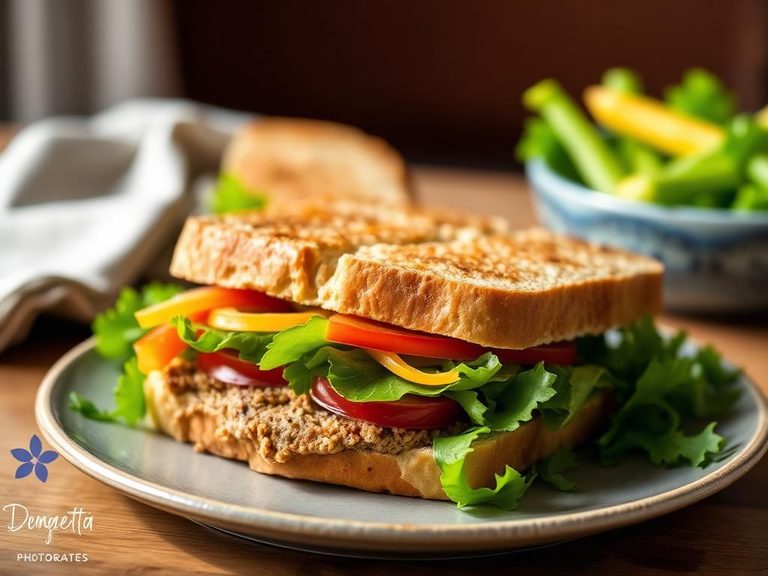
- Adds variety and nutrients to a simple sandwich or toast.
🍽️ Popular dishes


🌍 Where it's eaten
💡 Did you know?
The practice of adding vegetables to bread dates back centuries, with recipes for carrot bread appearing in 18th-century English cookbooks as a way to add moisture and sweetness during times of sugar scarcity.
Full nutrition (scales with serving)
| Water | 37.1 g |
| Energy | 259 kcal |
| Protein | 9.7 g |
| Total lipid (fat) | 3.3 g |
| Carbohydrate, by difference | 48.0 g |
| Fiber, total dietary | 1.8 g |
| Total Sugars | 3.5 g |
| Calcium, Ca | 38.0 mg |
| Iron, Fe | 3.5 mg |
| Magnesium, Mg | 27.0 mg |
| Phosphorus, P | 103 mg |
| Potassium, K | 161 mg |
| Sodium, Na | 532 mg |
| Zinc, Zn | 0.80 mg |
| Copper, Cu | 0.14 mg |
| Selenium, Se | 20.6 ug |
| Vitamin C, total ascorbic acid | 3.9 mg |
| Thiamin | 0.53 mg |
| Riboflavin | 0.29 mg |
| Niacin | 4.0 mg |
| Vitamin B-6 | 0.07 mg |
| Folate, total | 77.0 ug |
| Folic acid | 47.0 ug |
| Folate, food | 29.0 ug |
| Folate, DFE | 110 ug |
| Choline, total | 10.3 mg |
| Vitamin B-12 | 0.06 ug |
| Vitamin B-12, added | 0.00 ug |
| Vitamin A, RAE | 48.0 ug |
| Retinol | 18.0 ug |
| Carotene, beta | 305 ug |
| Carotene, alpha | 101 ug |
| Cryptoxanthin, beta | 13.0 ug |
| Lycopene | 464 ug |
| Lutein + zeaxanthin | 101 ug |
| Vitamin E (alpha-tocopherol) | 0.38 mg |
| Vitamin E, added | 0.00 mg |
| Vitamin D (D2 + D3) | 0.20 ug |
| Vitamin K (phylloquinone) | 4.0 ug |
| Fatty acids, total saturated | 1.1 g |
| SFA 4:0 | 0.03 g |
| SFA 6:0 | 0.02 g |
| SFA 8:0 | 0.01 g |
| SFA 10:0 | 0.03 g |
| SFA 12:0 | 0.04 g |
| SFA 14:0 | 0.11 g |
| SFA 16:0 | 0.58 g |
| SFA 18:0 | 0.23 g |
| Fatty acids, total monounsaturated | 0.76 g |
| MUFA 16:1 | 0.03 g |
| MUFA 18:1 | 0.72 g |
| MUFA 20:1 | 0.00 g |
| MUFA 22:1 | 0.00 g |
| Fatty acids, total polyunsaturated | 0.76 g |
| PUFA 18:2 | 0.71 g |
| PUFA 18:3 | 0.05 g |
| PUFA 18:4 | 0.00 g |
| PUFA 20:4 | 0.00 g |
| PUFA 20:5 n-3 (EPA) | 0.00 g |
| PUFA 22:5 n-3 (DPA) | 0.00 g |
| PUFA 22:6 n-3 (DHA) | 0.00 g |
| Cholesterol | 4.0 mg |
| Alcohol, ethyl | 0.00 g |
| Caffeine | 0.00 mg |
| Theobromine | 0.00 mg |
FAQ
Is vegetable bread healthier than regular white bread?
Generally, yes. It typically offers more protein, fiber, and micronutrients from the added vegetables, though the exact nutritional profile depends on the specific recipe and ingredients used.
Can I make this bread gluten-free?
Yes, but you would need to use a gluten-free flour blend (like rice, almond, or tapioca flour) and may require a binder like xanthan gum to achieve the right texture.
What vegetables work best in this bread?
Moist vegetables like zucchini, carrots, pumpkin, and spinach are popular choices. They should be grated or pureed and often squeezed to remove excess moisture to prevent a soggy loaf.