

Beverages, cranberry-apricot juice drink, bottled
Whole food · Beverages

Photo: Wikipedia
This bottled juice drink is a vibrant, ruby-red blend of tart cranberry and sweet apricot, offering a smooth, refreshing texture with a balanced sweet-tart flavor profile. Nutritionally, it provides a quick source of carbohydrates for energy, with a notable absence of fat and protein.
Calorie split: 1% protein · 99% carbs · 0% fat
↓ Full nutrition💚 Why it's loved
People love it for its refreshing, thirst-quenching quality and the harmonious balance between the sharp, tangy cranberry and the mellow, sweet apricot, making it a versatile drink for casual sipping or as a mixer.
⚠️ Watch-outs & how to enjoy it better
The high carbohydrate content (16.2g per 100g) can contribute to rapid blood sugar spikes, making it less suitable for those managing diabetes. To mitigate this, consume it in small portions (e.g., 100-120ml) and pair it with a source of protein or healthy fat, like a handful of nuts or a piece of cheese, to slow absorption.
Key benefits
- Provides quick energy from carbohydrates
- Fat-free beverage option
- Contains no added sugars (based on data)
- Offers a convenient, ready-to-drink fruit flavor
🍽️ Popular dishes
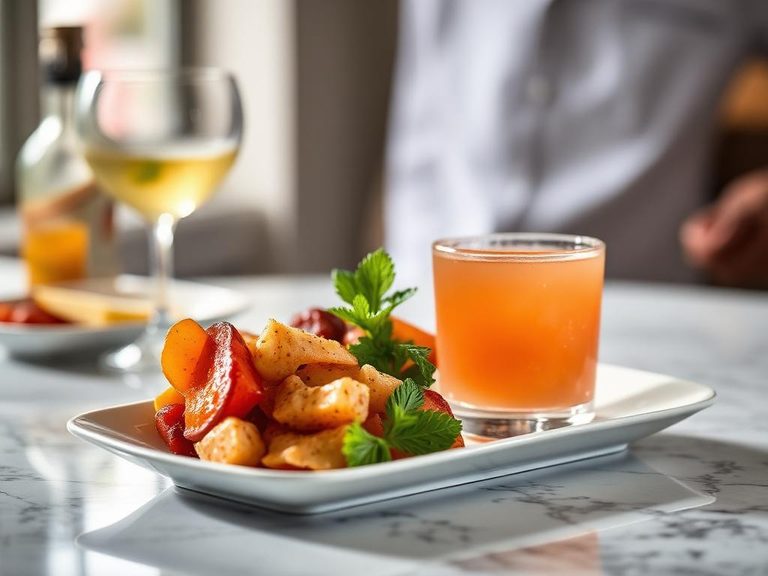
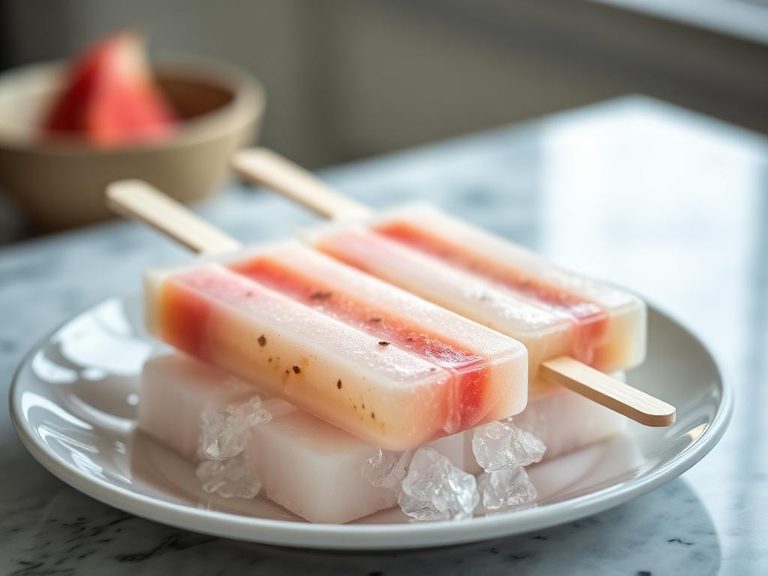
🌍 Where it's eaten
💡 Did you know?
Cranberries are one of only a few fruits native to North America and were traditionally used by Native Americans for food, medicine, and dye long before being blended into modern juice drinks.
Full nutrition (USDA data · scales with serving)
| Water | 83.5 g |
| Energy | 64.0 kcal |
| Energy | 268 kj |
| Protein | 0.20 g |
| Total lipid (fat) | 0.00 g |
| Ash | 0.10 g |
| Carbohydrate, by difference | 16.2 g |
| Fiber, total dietary | 0.10 g |
| Calcium, Ca | 9.0 mg |
| Iron, Fe | 0.15 mg |
| Magnesium, Mg | 3.0 mg |
| Phosphorus, P | 5.0 mg |
| Potassium, K | 61.0 mg |
| Sodium, Na | 2.0 mg |
| Zinc, Zn | 0.04 mg |
| Copper, Cu | 0.01 mg |
| Manganese, Mn | 0.13 mg |
| Selenium, Se | 0.00 ug |
| Vitamin C, total ascorbic acid | 0.00 mg |
| Thiamin | 0.01 mg |
| Riboflavin | 0.01 mg |
| Niacin | 0.12 mg |
| Pantothenic acid | 0.04 mg |
| Vitamin B-6 | 0.02 mg |
| Folate, total | 1.0 ug |
| Folic acid | 0.00 ug |
| Folate, food | 1.0 ug |
| Folate, DFE | 1.0 ug |
| Vitamin B-12 | 0.00 ug |
| Vitamin A, RAE | 23.0 ug |
| Retinol | 0.00 ug |
| Vitamin A, IU | 463 iu |
Fat & fatty acid profile (per 100g)
| Fatty acids, total saturated | 0.00 g |
| Fatty acids, total monounsaturated | 0.00 g |
| MUFA 18:1 | 0.00 g |
| Fatty acids, total polyunsaturated | 0.00 g |
| PUFA 18:2 | 0.00 g |
| Fatty acids, total trans | 0.00 g |
| Cholesterol | 0.00 mg |
Amino acid profile (per 100g)
Estimated from Beverages, carbonated, tonic water — USDA does not publish this profile for Beverages.
| Tryptophan | 0.00 g |
| Threonine | 0.00 g |
| Isoleucine | 0.00 g |
| Leucine | 0.00 g |
| Lysine | 0.00 g |
| Methionine | 0.00 g |
| Cystine | 0.00 g |
| Phenylalanine | 0.00 g |
| Tyrosine | 0.00 g |
| Valine | 0.00 g |
| Arginine | 0.00 g |
| Histidine | 0.00 g |
| Alanine | 0.00 g |
| Aspartic acid | 0.00 g |
| Glutamic acid | 0.00 g |
| Glycine | 0.00 g |
| Proline | 0.00 g |
| Serine | 0.00 g |
FAQ
Is this the same as 100% cranberry juice?
No, this is a 'juice drink,' meaning it's a blend of juices (cranberry and apricot) and likely water, and may contain added ingredients. Pure 100% cranberry juice is typically much more tart and is not blended with other fruit juices.
Why does it have no sugar listed if it's a juice drink?
The nutrition data provided shows 0g sugar, which is unusual for a fruit juice drink and may indicate it uses non-nutritive sweeteners or the data is for a specific formulation. Always check the actual product label for the most accurate sugar content.
Can I use this in baking?
Yes, it can be used to add fruity flavor and moisture to cakes, muffins, or glazes. Be mindful of its liquid content and sweetness, which may require adjustments to the recipe's other liquids or sugar.
Nutrient density (calculated · NRF9.3)
Nutrient Rich Foods index: beneficial nutrients (protein, fiber, vitamins, minerals) minus saturated fat, added sugar & sodium, per 100 kcal.
NRF9.3 index — Fulgoni, Keast & Drewnowski, 2009. Computed from USDA nutrients.
Weight-loss friendliness (composite index)
Energy density 0.64 kcal/g · 1% calories from protein · 0.1 g fiber · 0.0 g sugar per 100 g.
Composite of energy density (Rolls et al., 1999), protein & fiber satiety, minus sugar. A calculated heuristic — ranks satiety-per-calorie, not a clinical measure.
Dietary load (calculated from USDA values)
Potential renal acid load. Positive = acid-forming, negative = alkaline-forming.
Sodium-to-potassium ratio: 0.03 (lower is better — aim for ≤ 1)
Sodium:potassium per WHO potassium guidance. Computed from USDA nutrients.